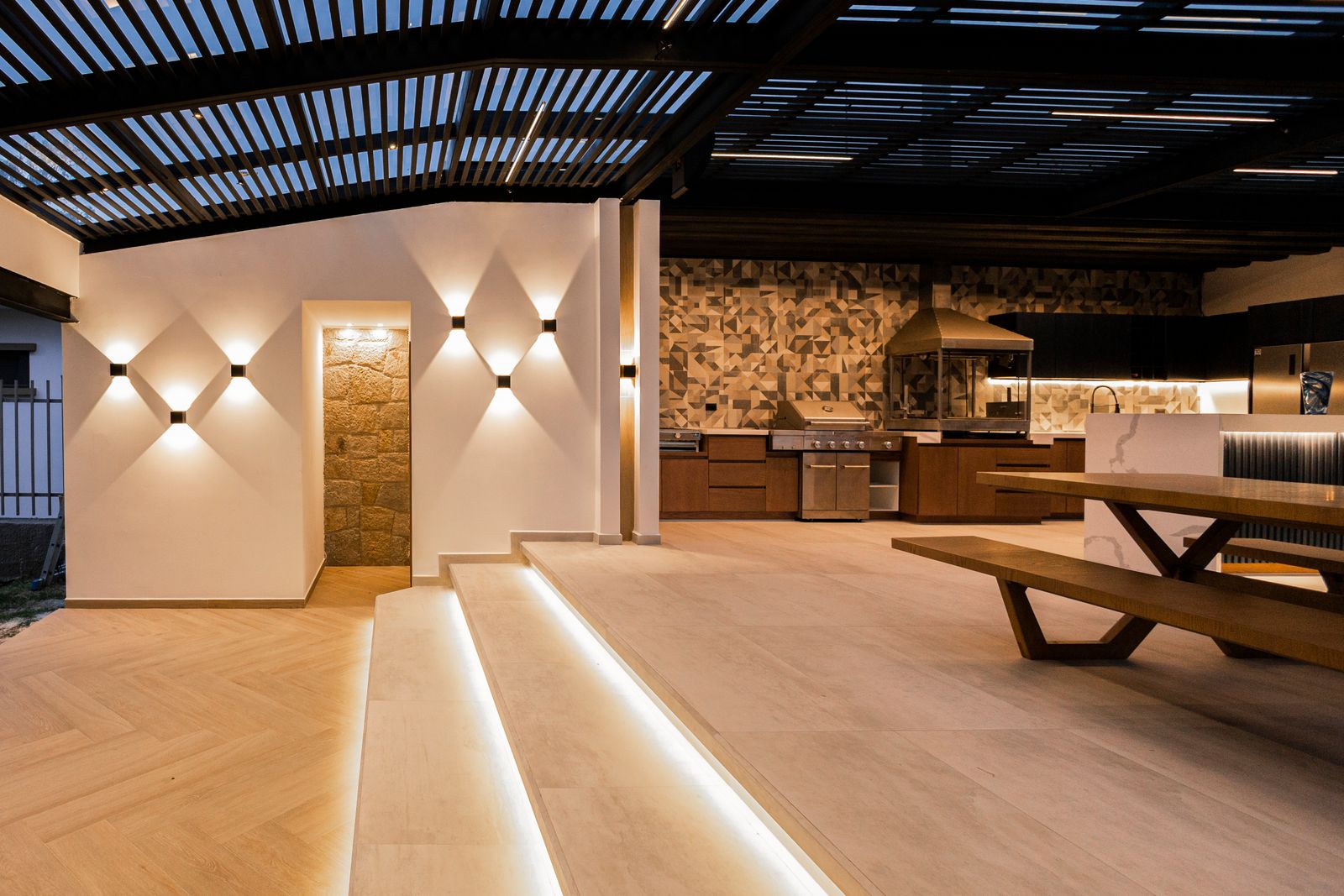
The natural gas vs propane grill decision is the most important spec to get right when ordering a DCS Series 7 or Series 9, because the grill is built and orificed for one fuel. DCS denotes natural gas with an N suffix and liquid propane with an L suffix. This guide compares the two.
Natural gas (N models)
Natural gas connects to your home supply line, so the grill never runs out of fuel mid-cook. It is ideal for permanent built-in installations where a gas line can be run to the outdoor kitchen. The trade-off is the up-front plumbing cost and the fact that the grill is fixed in place.
Liquid propane (L models)
Propane uses a refillable tank, making freestanding cart grills fully portable. Propane carries more energy per cubic foot and runs at higher pressure, so per-volume heat is slightly higher, but tanks must be refilled and can lose pressure in very cold weather.
Comparison at a glance
- Convenience: NG never runs out; LP requires tank refills.
- Installation: NG needs a plumbed gas line; LP needs only a tank.
- Mobility: LP cart grills move; NG built-ins are fixed.
- Cold weather: NG is unaffected; LP tanks can lose vapor pressure.
- Running cost: NG is usually cheaper per cook over time.
Can you convert between them?
DCS grills can sometimes be converted with a manufacturer orifice and regulator kit, but it is not a casual swap – the orifices are sized differently and an incorrect conversion causes low heat, yellow flames, or unsafe operation. Always use the genuine kit and a qualified installer. Confirm conversion availability for your model on the manufacturer’s site at dcsappliances.com.
Bottom line
Choose natural gas for a fixed outdoor kitchen on a gas line, and propane for a portable cart or where no gas line exists. If you are unsure which version you own or need a conversion done correctly, schedule a certified technician or compare configurations on our grill model pages.
Match the fuel to the install
The single best predictor of the right fuel is your installation plan. A built-in island almost always pairs with natural gas because running a line once is cleaner than swapping tanks in a cabinet. A freestanding cart on a patio or deck is far more flexible on propane. Decide the location first, then the fuel follows.
Performance differences are small
Both fuels light the same U-shaped burners and reach DCS searing temperatures. Propane edges out natural gas slightly on raw heat per unit, but a correctly sized natural-gas line delivers all the BTUs the burners are rated for. Day to day, you will not notice a cooking difference – so let convenience and installation drive the choice.
Safety note on conversions
Never drill or modify orifices to change fuel. The bore sizes are precise, and an improvised conversion is a fire and carbon-monoxide hazard. If you move and need to switch fuels, use the factory kit and have it installed by a pro – our grill service team handles conversions safely.
Natural Gas Vs Propane Grill: Key Takeaways
To recap on natural gas vs propane grill: work through the simple checks first, keep the appliance clean and correctly set up, and address small symptoms before they grow. The guidance above on natural gas vs propane grill reflects how our certified technicians approach the same issues in the field, and following it keeps your DCS appliance performing the way it was built to.
- Start with the easiest, lowest-cost checks and confirm the basics before replacing parts.
- Use only genuine DCS-specified parts so performance and safety are not compromised.
- Keep up a regular maintenance routine, which prevents most problems and protects long-term value.
- Know when a job needs a professional, especially anything involving gas, sealed-system refrigeration, or mains wiring.
If the steps here do not resolve your situation, the next move is a proper diagnosis rather than guesswork. Our team covers DCS cooking and outdoor appliances across all 50 states and 120+ metro areas, and the booking form accepts requests 24/7. You can schedule a service appointment at any time, review full specifications on the manufacturer’s site at dcsappliances.com, or browse comparable units on our model pages. Acting early on natural gas vs propane grill almost always means a smaller, simpler, and less expensive repair down the line.
When to call a DCS technician
It is worth being clear about the line between sensible owner maintenance and work that belongs with a professional. Routine cleaning, simple resets, and basic setup are well within reach for most owners and are exactly where this guide focuses. Anything involving a gas connection, a sealed refrigeration system, internal wiring, or a part that must be calibrated or pressure-tested is different: those repairs carry real safety and warranty implications and should be handled by a certified technician with the correct tools and genuine DCS parts. A DCS appliance is a long-term investment built from 304 stainless to last for decades, so it is almost always worth maintaining and repairing properly rather than letting a small problem compound. When in doubt, a quick diagnostic visit removes the guesswork, protects the appliance, and gives you a clear, written quote before any work begins so there are never surprises.