How DCS cooktops are built
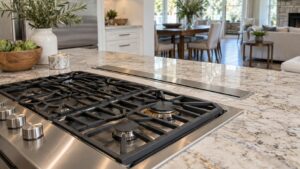
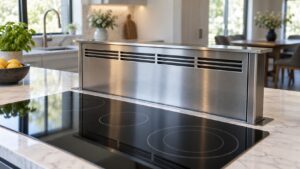
Professional DCS cooktop repair covers the brand’s drop-in gas and induction cooktops, built by Fisher & Paykel company DCS in 30″ and 36″ widths. The gas CDV and CDU families use sealed dual-flow burners on a 304-grade stainless surface, lit by electronic spark ignition; induction variants use a ceramic-glass surface with pan-detection coils and a residual-heat indicator. A drop-in cooktop installs into the countertop independently of any oven, so its service is self-contained — the burners or coils, the ignition or inverter electronics, and the surface itself. Because gas and induction units behave and fail very differently, a repair starts by confirming the exact model and cooking technology before any component is tested.
Gas and induction technology
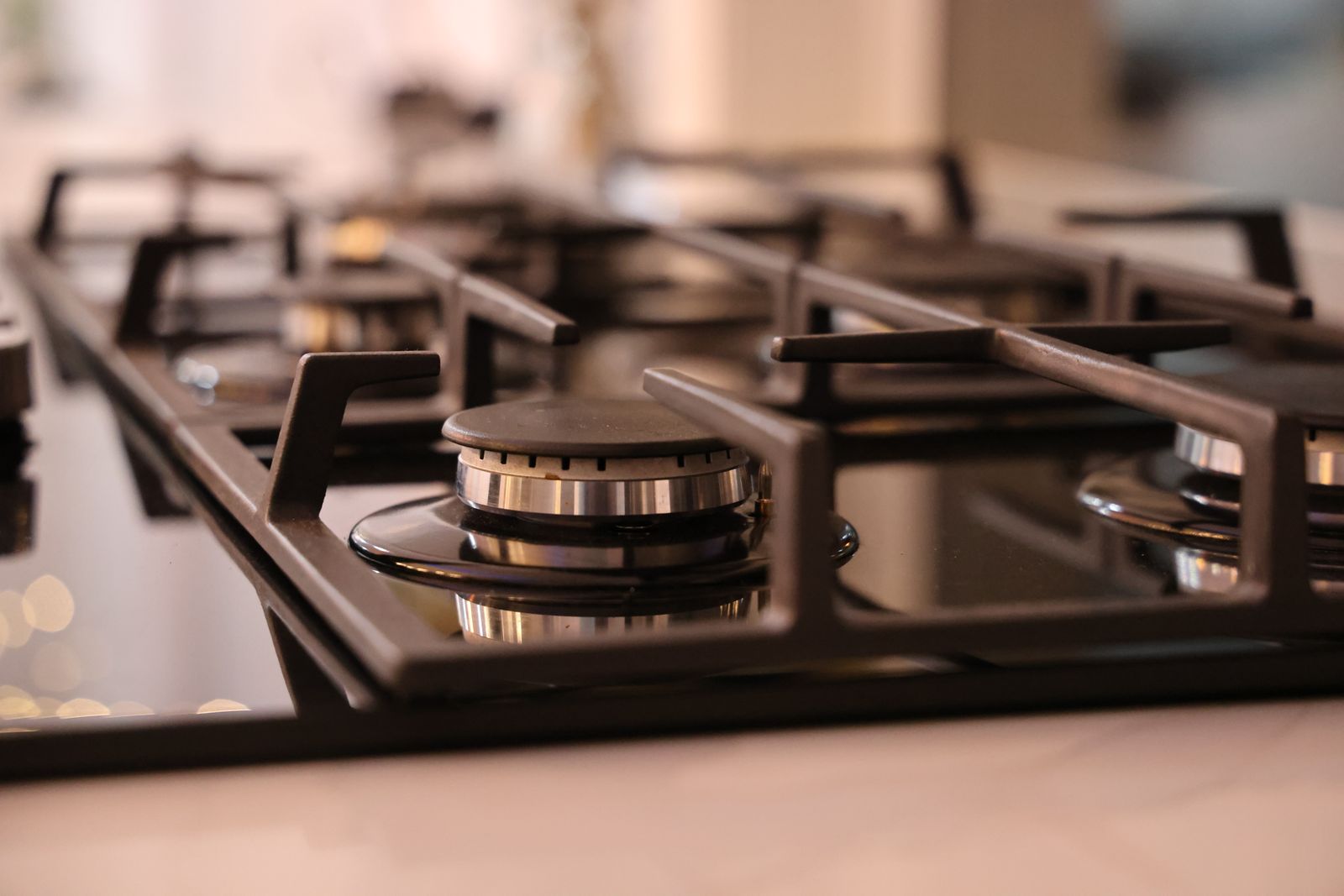
Gas burners are fed through manifold valves, and correct flame quality depends on clean ports, the right orifice, and an air shutter set for natural gas or propane. Induction cooktops generate heat directly in ferromagnetic cookware through an electromagnetic coil under the glass; each zone has a pan-detector sensor and a residual-heat indicator. The gas cooktops are mechanical and report problems as symptoms — a burner that won’t light, continuous clicking, a yellow flame — rather than as digital codes. Induction units carry simple indicators only, so an unresponsive or non-heating zone is diagnosed by swapping a known-good pan and testing the coil, inverter, and sensors. Our cooktop symptom guides walk through each issue before you book.
Common DCS cooktop repair problems
Frequent cooktop calls include a single burner that won’t light, no spark across any zone, continuous clicking, a low or uneven flame, and a cracked induction glass surface. Continuous clicking usually means moisture trapped in an electrode or a cracked electrode boot; a single dead burner is typically a clogged port or a cracked electrode on that zone. On induction models, a zone that won’t heat with a pan that works elsewhere points to a coil, inverter, or sensor failure on that zone, while a no-detect reading is checked by confirming the cookware is induction-compatible. A cracked glass surface is replaced as an assembly and must not be used in the meantime. Most DCS cooktop repair jobs are finished in a single visit once gas or induction technology is confirmed and the faulty component is isolated.
Maintenance for gas and induction cooktops
Gas and induction cooktops need different routine care. On gas CDV and CDU units, clearing the burner ports with a soft brush, keeping the orifice clean, and drying the electrodes after any wet cleaning prevent the ignition problems that account for most service calls; cast grates and burner caps should be dried and lightly protected to avoid pitting. On induction units the priority is the glass surface — wiping spills while the zone is warm rather than letting them carbonize, never sliding heavy cast cookware that can chip an edge, and keeping the vents beneath the unit clear so the inverter electronics stay cool. Using only induction-compatible, ferromagnetic cookware avoids the no-detect readings that look like a problem but are really a cookware mismatch. A quick magnet test on a pan base confirms compatibility before a zone is ever suspected of a problem. Model references such as CDV2-365 and CDU-365 on our model pages list the matching glass tops, coils, and burner sets for each cooktop, which speeds up parts ordering when a repair is needed.
Service, parts, and warranty
Repairs use genuine OEM burners, electrodes, induction coils, glass tops, and sensors matched to the model. Our certified technicians cover all 50 states and 120+ metro areas, and the booking form accepts requests 24/7, with same-day visits where availability allows. Diagnostic visits start from $129; the final cost depends on the parts and the cooktop technology involved. Specifications and the current cooktop lineup are published by the manufacturer at dcsappliances.com. If you also have a built-in oven beneath the cooktop, see our oven repair page.