


DCS grill models: Series 7 and Series 9
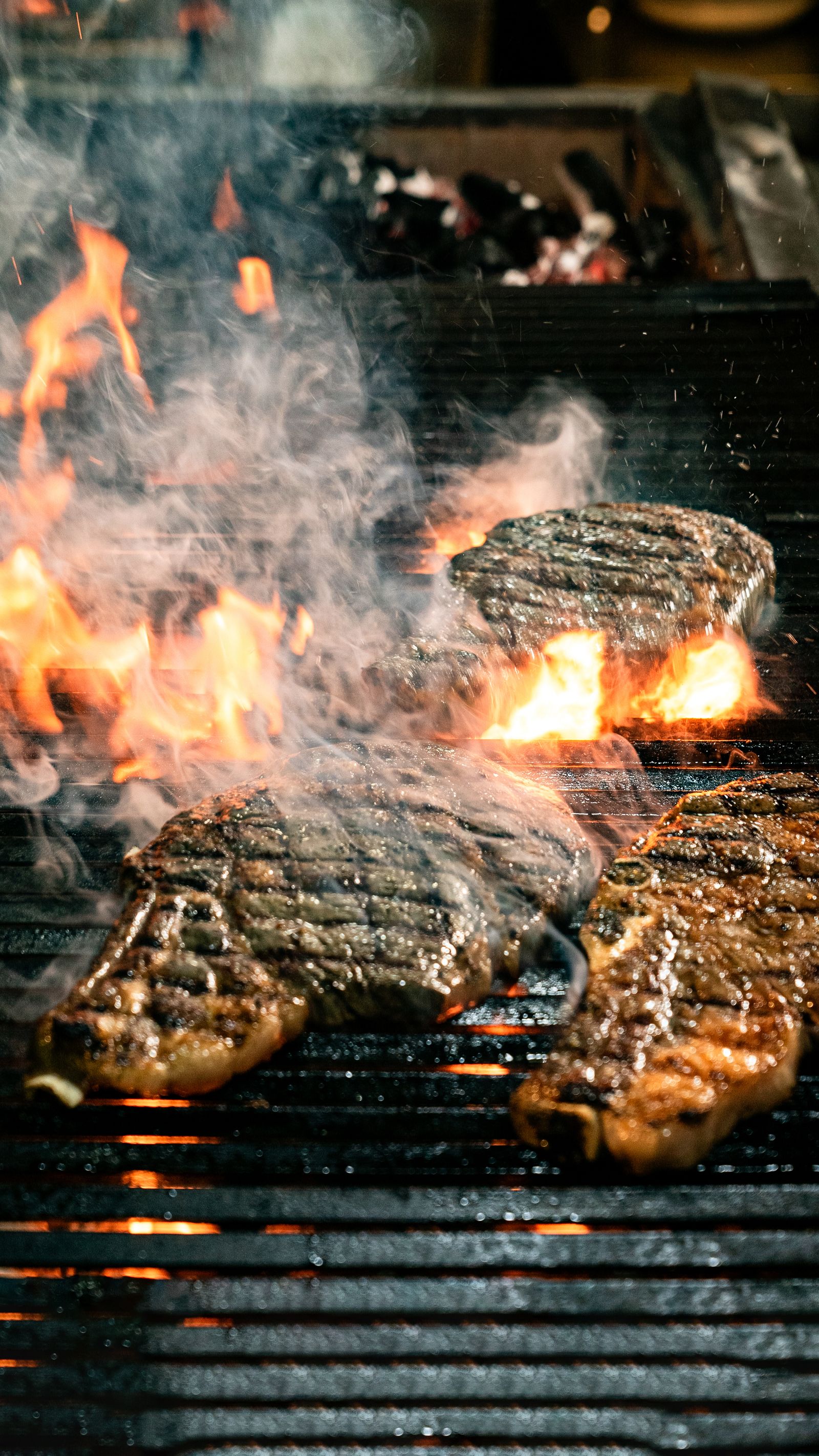
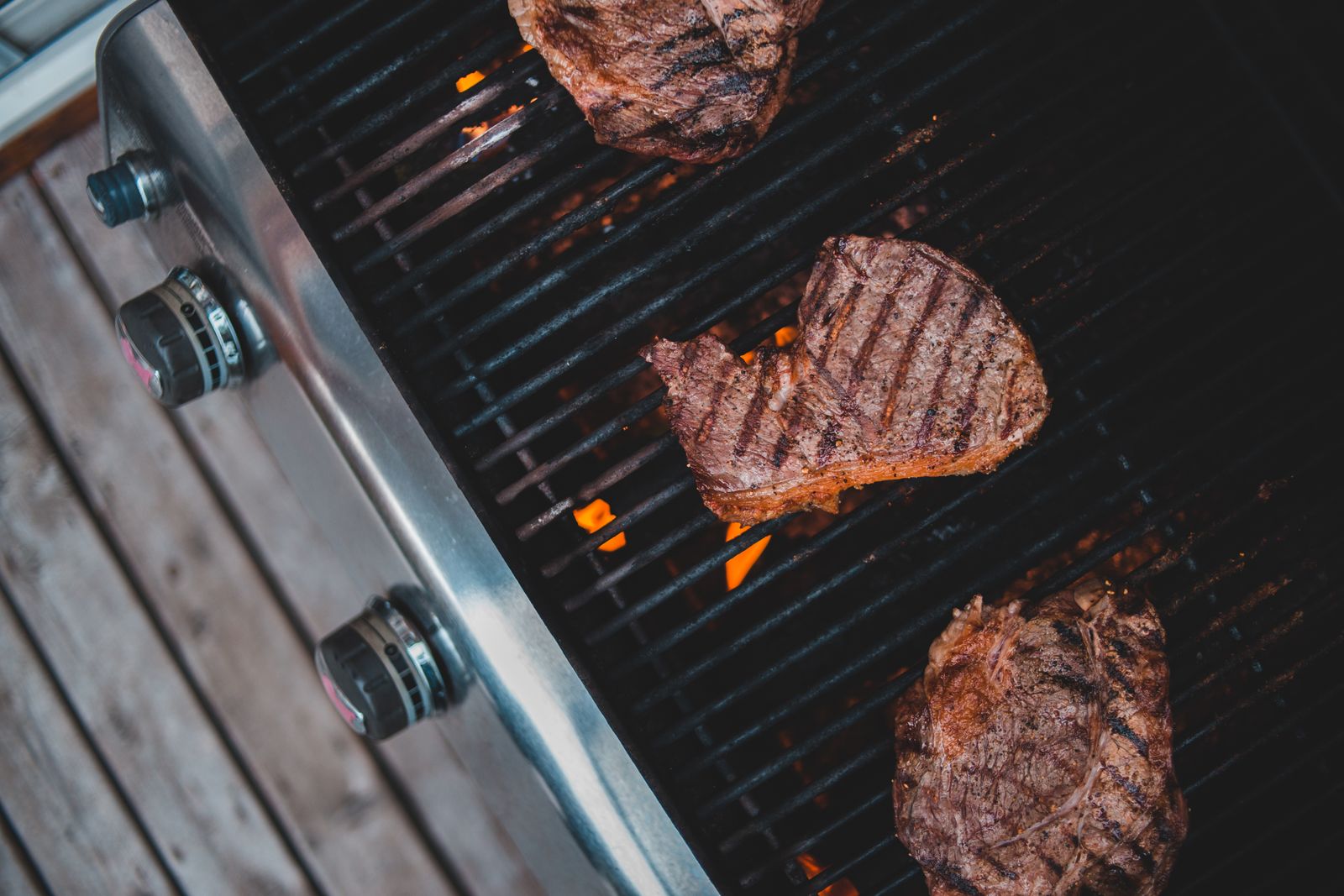
The DCS outdoor grill lineup splits into two flagship families — Series 7 and Series 9 — available as built-in heads or freestanding cart units. Model prefixes include BGB, BGC, BFG, BH1, and BE1, with widths of 30, 36, and 48 inches. The fuel suffix matters: N denotes natural gas and L denotes liquid propane. Examples such as BGB30-BQR, BGC36-BQAR, and BFG48-BQRL encode width, configuration, and fuel in a single string, and reading it is the first step in any DCS grill repair.
What to confirm when identifying your grill
Fuel type is the first thing to verify, because natural-gas and propane grills use different regulators and orifices and cannot be swapped without a conversion kit. Beyond fuel, the model number reveals the U-shaped 304-stainless burner count (each rated around 25,000 BTU), whether your grill carries the Grill Tower, Ceramic Radiant Glow rods, an integrated rotisserie with a rear infrared burner, and the Grease Management System. Knowing the exact prefix lets a technician arrive with the correct burner, electrode, or rotisserie part.
Built-in versus freestanding configurations
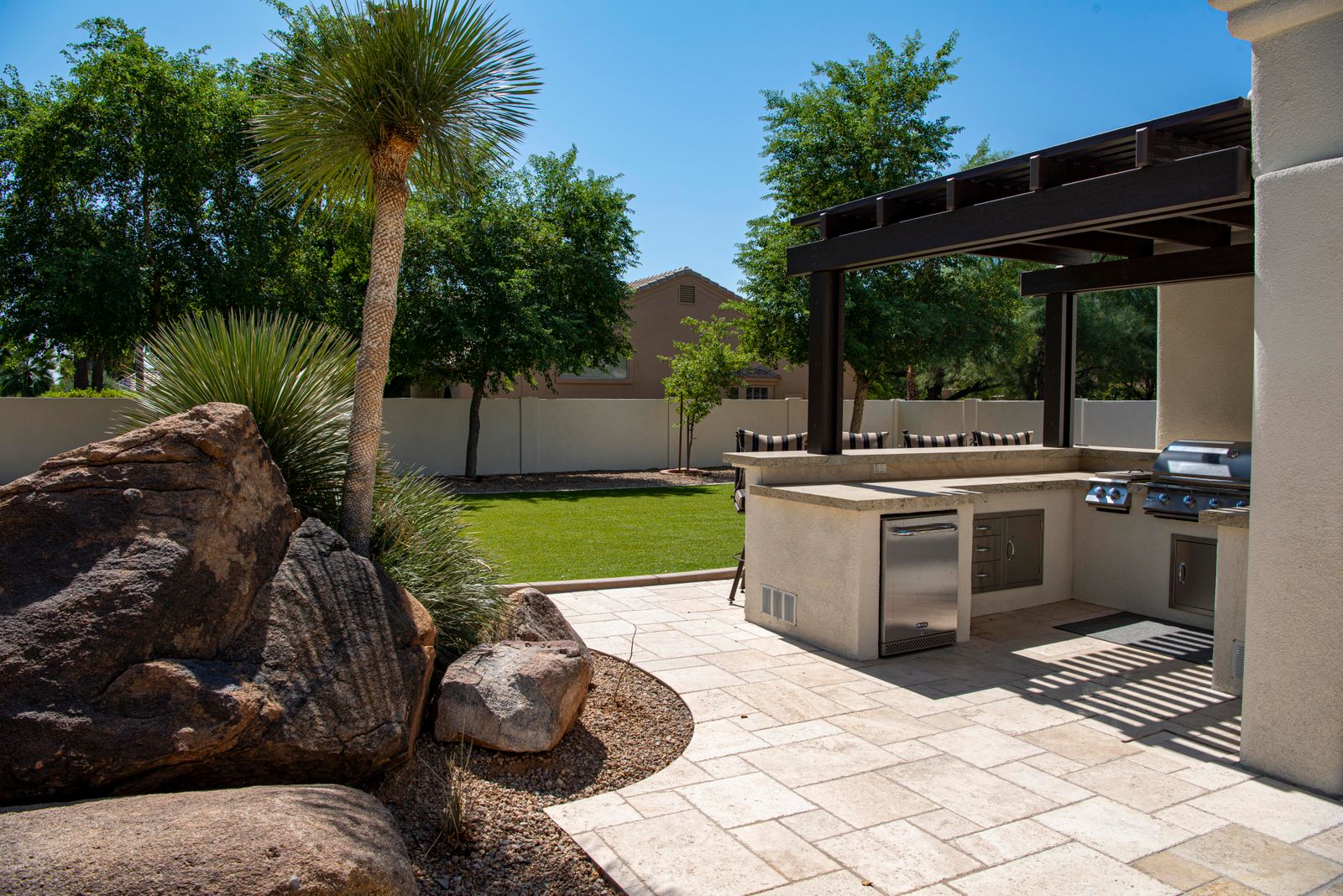
The same DCS grill head ships both as a built-in unit dropped into a stone or stainless island and as a freestanding cart model. The cart versions add side shelves, casters, and sometimes a propane tank housing, all of which can develop their own issues. Identifying whether you own a built-in head or a cart tells a technician which hardware and gas-routing layout to expect, and whether a tank-housed propane regulator is part of the picture.
Burner technology and accessories
What sets a DCS grill apart is its burner and heat technology, and the model number tells you which features you have to maintain. The U-shaped 304-stainless burners deliver around 25,000 BTU each, the Ceramic Radiant Glow rods spread even radiant heat, and the integrated rotisserie pairs with a dedicated rear infrared burner for true spit roasting. Many units accept a smoker tray or charcoal tray accessory, and all route drippings through the Grease Management System. Knowing which of these your model carries tells a technician which burners, rods, and accessory components to inspect and stock.
Keeping an outdoor grill serviceable
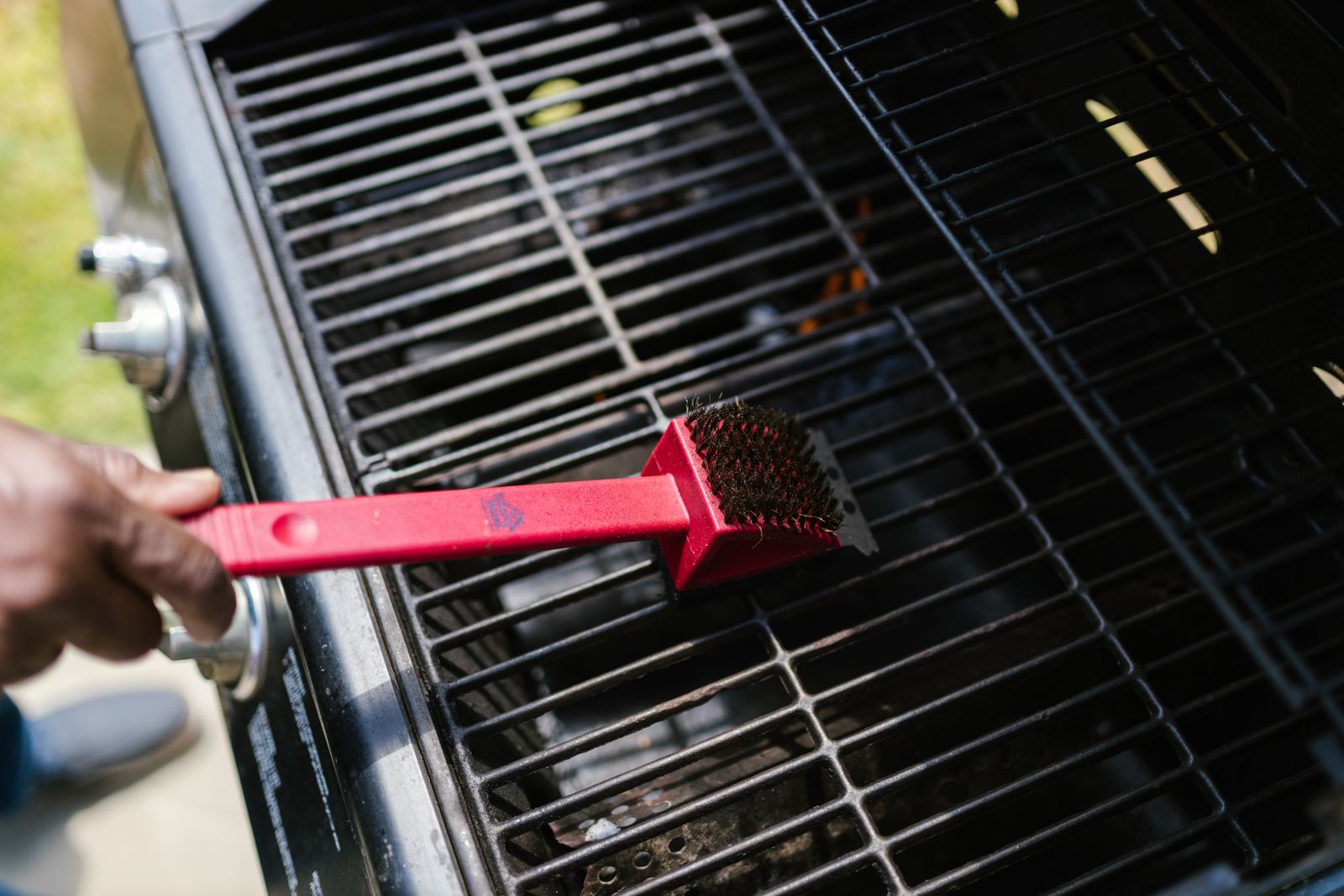
DCS grills are engineered to run from 300°F to 1100°F and are built for the elements, but burners, electrodes, igniter batteries, and grease trays are wear items exposed to weather. Regular cleaning of the grease management system and seasonal burner inspection prevent most failures. When a part does fail, we fit genuine DCS components so the grill returns to factory output. Diagnostic visits start from $129; final cost depends on parts and fuel configuration. Browse the grill models archive, check grill diagnostics, book DCS grill repair, or schedule online. Manufacturer specifications are at the manufacturer’s site at dcsappliances.com.