The DCS cooktops lineup
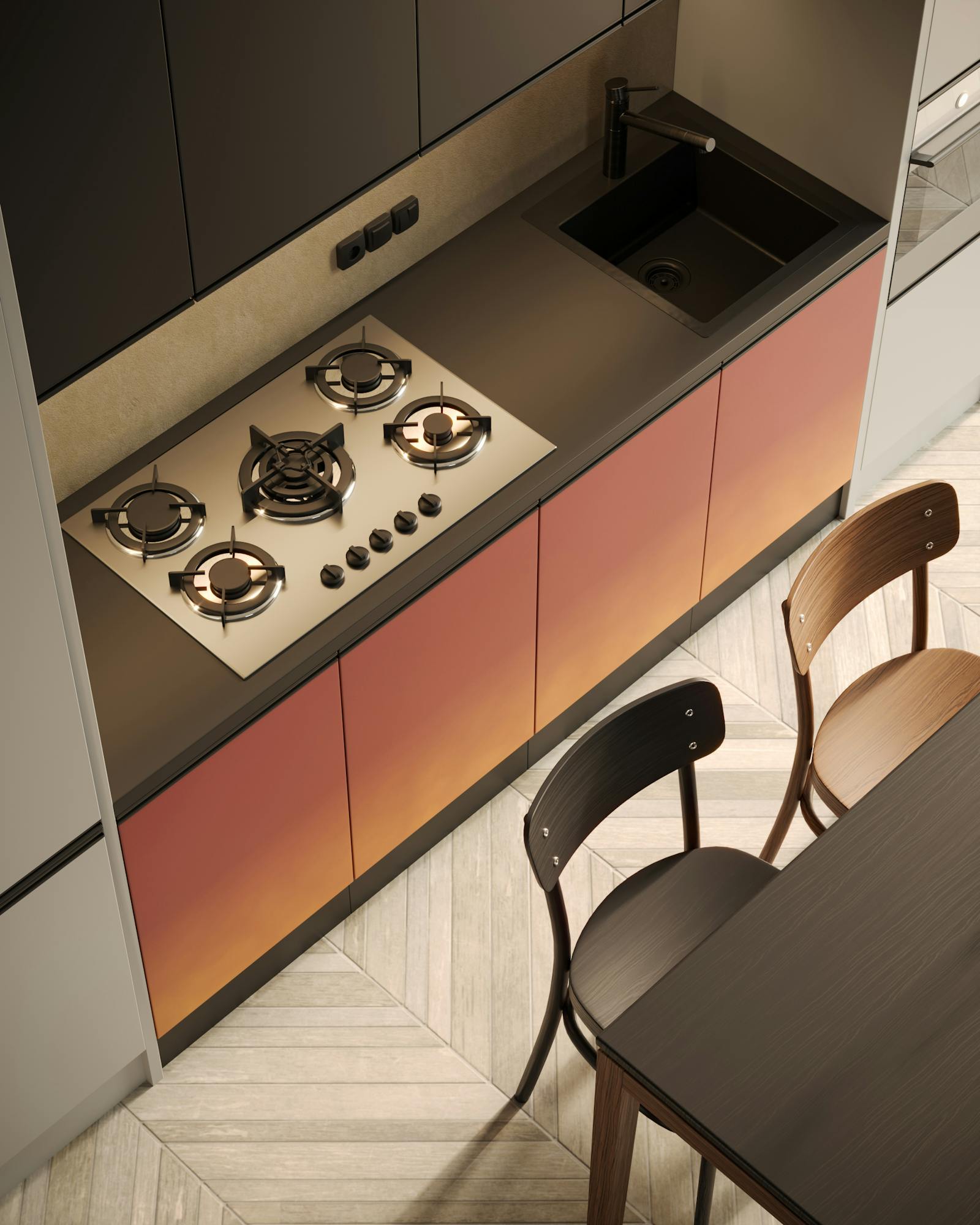
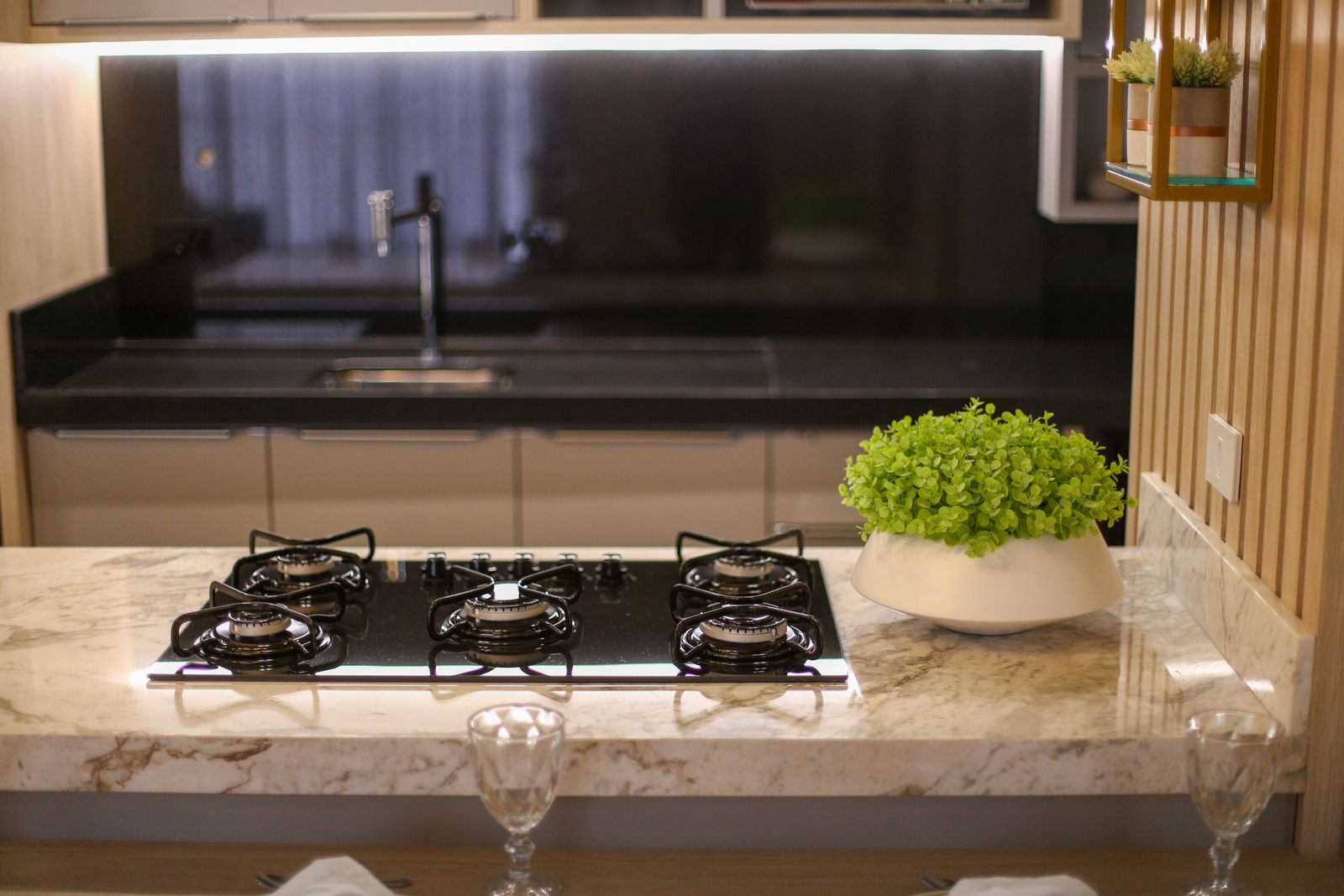
DCS cooktops are drop-in cooking surfaces built by DCS (Dynamic Cooking Systems), a Fisher & Paykel company, from 304-grade stainless steel and designed to sit flush in a countertop. The core range is gas, carrying the CDV and CDU prefixes — for example CDV2-365 and CDU-365 — with some induction variants. Gas models use sealed dual-flow burners for a wide simmer-to-sear range, while induction models heat magnetic cookware directly through a ceramic glass surface. Unlike a rangetop, a cooktop installs without a burner box and is the simplest pro-style cooking surface DCS makes. Review current options on the manufacturer’s site at dcsappliances.com and browse serviceable units in our model directory.
Gas versus induction
The CDV and CDU gas cooktops deliver the lively, visible flame and instant cookware compatibility many cooks prefer, with sealed burners that keep spills contained. Induction variants react instantly, run cool except where the pan sits, and wipe clean easily — but they require magnetic, induction-compatible cookware to register on the pan detector. From a service standpoint the two are entirely different: gas centers on burners, orifices, and igniters, while induction depends on coils, sensors, and control electronics. Confirming which type you own is the first diagnostic step.
Sealed burners and surface design
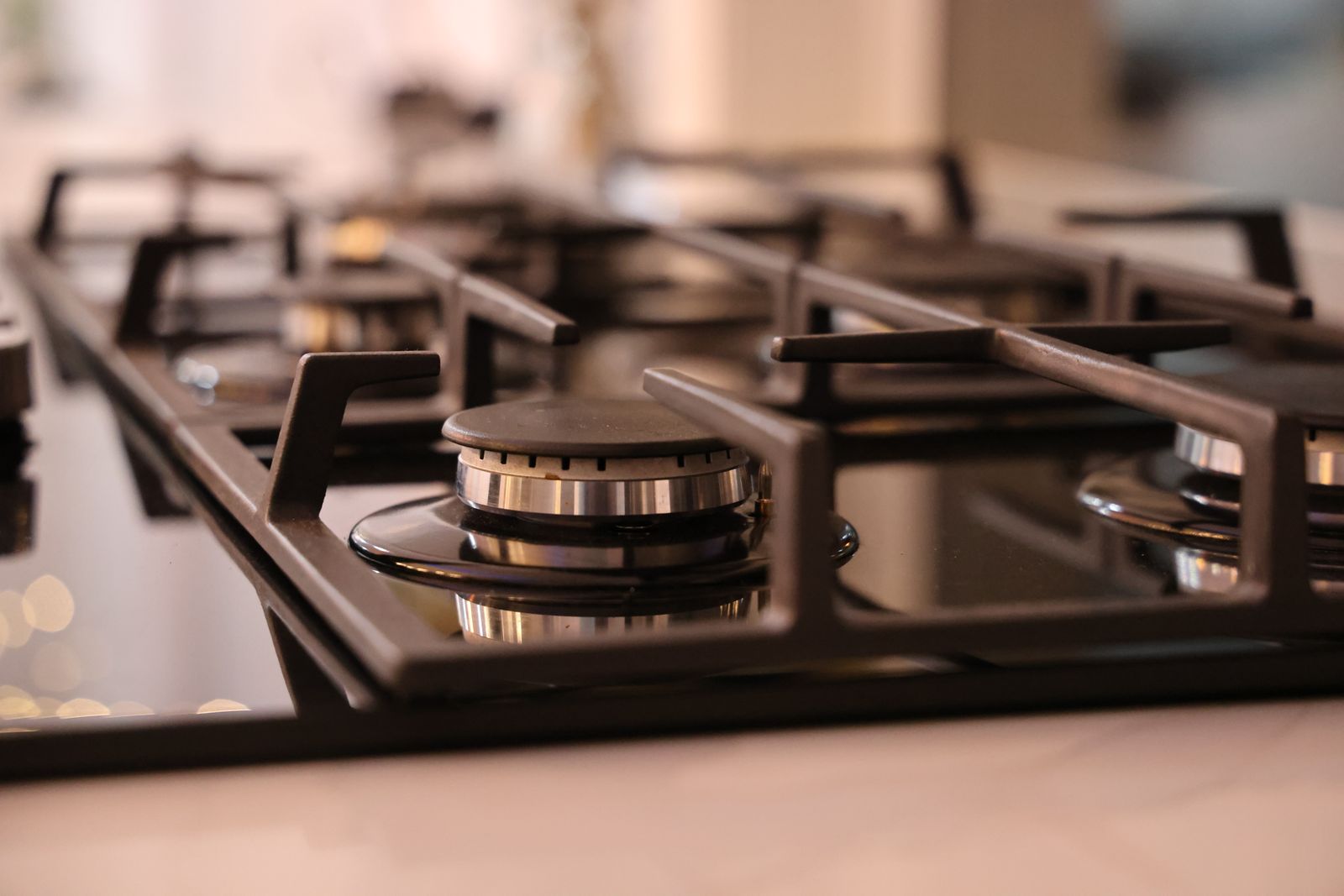
The sealed dual-flow gas burner is the signature of a DCS gas cooktop, combining a high-output flame with a controlled low simmer from the same burner. Continuous grates let you slide heavy pots across the surface, and the flush stainless deck wipes clean in minutes. Because cooktop sizes and burner counts vary by model, a repair always begins by confirming the exact configuration so the correct igniter, valve, or coil is matched to the unit.
Common DCS cooktop problems
DCS gas cooktops use mechanical controls and report trouble as symptoms, not digital error codes. The issues we see most often:
- Single burner won’t light — clogged ports or a fouled electrode.
- All burners won’t spark — a failed ignition module.
- Continuous clicking — moisture or food debris around the igniters.
- Low or uneven flame — a clogged orifice or air-shutter misadjustment.
- Yellow flame — air-mix problem, often after an LP/NG conversion.
- Stiff knob or burner cap corrosion — wear or improper seating after cleaning.
Induction variants are electronic and may show simple indicators only; gas units have no digital codes — our cooktop symptom guides cover both.
Maintenance essentials
- Clear sealed-burner ports with a pin after spills for even flames.
- Clean induction glass with a dedicated ceramic cleaner — never abrasives.
- Keep burner caps seated correctly after cleaning.
- Wipe 304-stainless surfaces with the grain.
- Check knobs for smooth, free operation.
Repair versus replace for DCS cooktops
DCS cooktops are among the most repairable cooking surfaces in a kitchen because the failure points — igniters, spark modules, gas valves, burner caps, or an induction coil — are individual, replaceable parts rather than sealed assemblies. A clogged orifice or a fouled electrode is a quick fix, and even a cracked induction glass top can be replaced without touching the countertop cutout. Replacing the whole cooktop is rarely necessary unless the chassis itself is damaged. The first step in any DCS cooktops repair is confirming the exact CDV, CDU, or induction model so the correct genuine part is matched to the unit, which keeps the flame even and the controls reliable for years.
When to call a professional
Gas valves and igniters, or induction coils and ceramic glass, are best handled by certified technicians. We carry common DCS parts and diagnose by model number. Diagnostic visits start from $129; final cost depends on parts and configuration. Schedule DCS cooktop repair or book online.
Whatever DCS cooktop you own, our certified technicians arrive with genuine OEM parts and diagnose gas, dual-fuel, and induction surfaces on the first visit. Book service through our schedule page; diagnostic visits start from $129 and we confirm the cost before any work begins.