Understanding how dcs sealed burners work explains why DCS cooktops, rangetops, and ranges are both powerful and easy to clean. The sealed design is a deliberate engineering choice. This guide breaks it down.
What “sealed” means
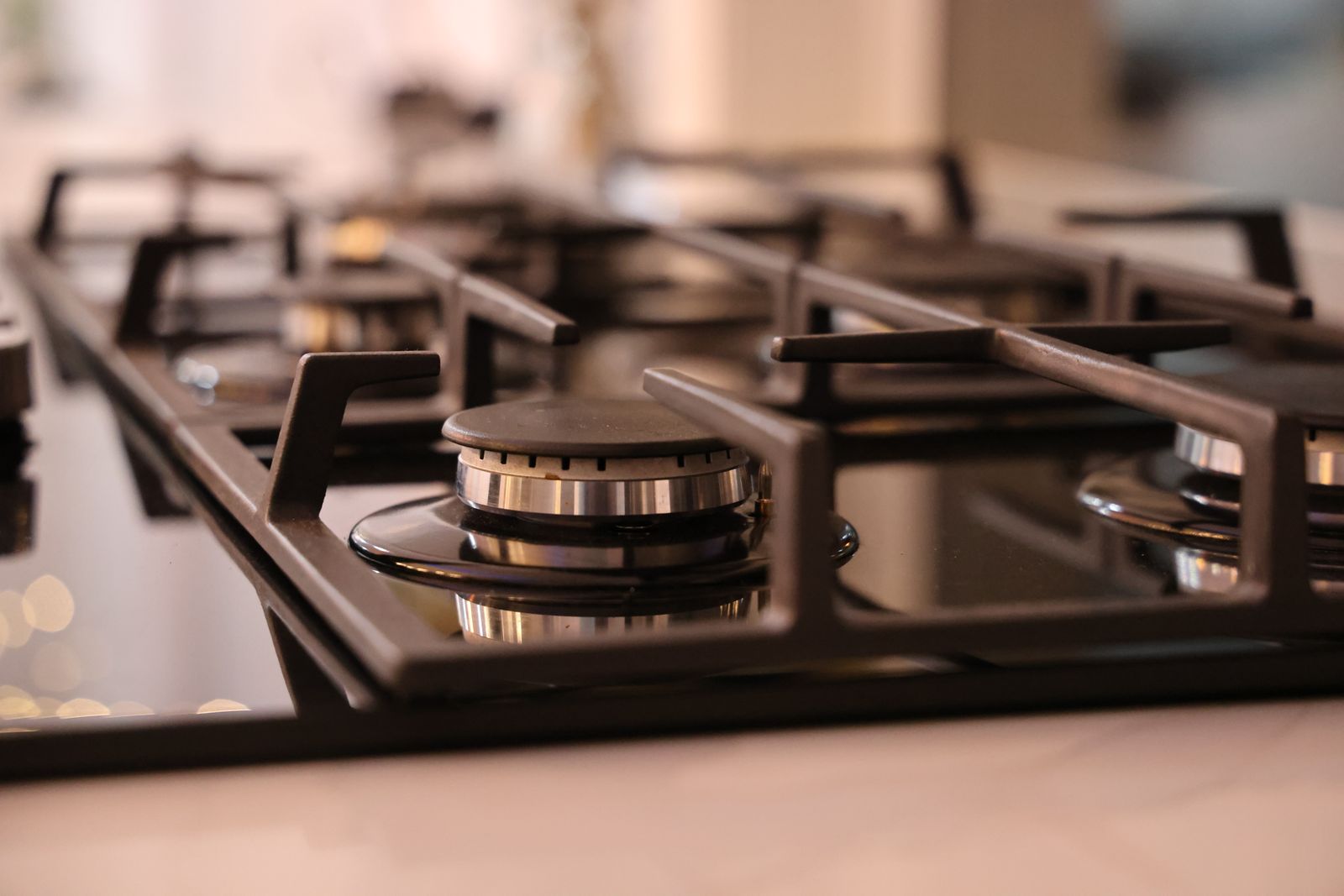
On a sealed burner, the burner base is bonded to the cooktop surface so there is no open gap into a burner box below. Spills and boil-overs stay on the smooth top surface where you can wipe them, instead of dripping into hard-to-clean cavities.
The dual-flow design
DCS pairs the sealed base with a dual-flow burner that operates across a wide heat range – high output for boiling and searing, and a stable low simmer. See our dual flow burner glossary for the technology.
How combustion works
- Gas mixes with air at the burner and exits through ports in the cap.
- The spark igniter lights the mixture, producing a ring of blue flame.
- The cap shapes the flame for even heat under the cookware.
Why it cooks and cleans well
The sealed surface wipes clean in seconds, the dual-flow burner covers everything from a hard boil to a melt, and clear ports keep the flame blue and even. Neglected ports cause the weak-flame issues in our weak flame guide.
Learn more
For burner output by model, see the manufacturer’s site at dcsappliances.com. To keep sealed burners performing, follow our cooktop cleaning guide, and for valve or igniter service, contact our cooktop repair team.
Sealed vs open burners
Open-burner pro ranges can deliver high airflow but let spills fall into a drip tray below, which is harder to clean. Sealed burners trade a little of that open-air feel for a surface that wipes down in seconds and keeps debris out of the burner box. For most home kitchens, sealed is the more livable choice.
Caring for the cap and ports
- Keep the cap seated squarely for an even flame.
- Clear ports with a pin whenever flames weaken.
- Dry thoroughly to avoid igniter clicking.
Why the flame should be blue
A crisp blue flame means complete combustion and full heat. Yellow tips mean clogged ports or the wrong orifices and waste fuel while producing soot. Maintaining clean sealed burners is therefore about efficiency and safety, not just appearance.
Dcs Sealed Burners: Key Takeaways
To recap on dcs sealed burners: work through the simple checks first, keep the appliance clean and correctly set up, and address small symptoms before they grow. The guidance above on dcs sealed burners reflects how our certified technicians approach the same issues in the field, and following it keeps your DCS appliance performing the way it was built to.
- Start with the easiest, lowest-cost checks and confirm the basics before replacing parts.
- Use only genuine DCS-specified parts so performance and safety are not compromised.
- Keep up a regular maintenance routine, which prevents most problems and protects long-term value.
- Know when a job needs a professional, especially anything involving gas, sealed-system refrigeration, or mains wiring.
If the steps here do not resolve your situation, the next move is a proper diagnosis rather than guesswork. Our team covers DCS cooking and outdoor appliances across all 50 states and 120+ metro areas, and the booking form accepts requests 24/7. You can schedule a service appointment at any time, review full specifications on the manufacturer’s site at dcsappliances.com, or browse comparable units on our model pages. Acting early on dcs sealed burners almost always means a smaller, simpler, and less expensive repair down the line.
When to call a DCS technician
It is worth being clear about the line between sensible owner maintenance and work that belongs with a professional. Routine cleaning, simple resets, and basic setup are well within reach for most owners and are exactly where this guide focuses. Anything involving a gas connection, a sealed refrigeration system, internal wiring, or a part that must be calibrated or pressure-tested is different: those repairs carry real safety and warranty implications and should be handled by a certified technician with the correct tools and genuine DCS parts. A DCS appliance is a long-term investment built from 304 stainless to last for decades, so it is almost always worth maintaining and repairing properly rather than letting a small problem compound. When in doubt, a quick diagnostic visit removes the guesswork, protects the appliance, and gives you a clear, written quote before any work begins so there are never surprises.