


The DCS model catalog: indoor and outdoor cooking
DCS (Dynamic Cooking Systems), a Fisher & Paykel company, builds premium American-style indoor and outdoor cooking appliances handcrafted for real cooks, and every unit is constructed in 304-grade stainless steel. Understanding the DCS model catalog is the foundation of accurate DCS appliance repair, because the model number on the rating plate encodes the appliance type, width, fuel system, and feature set. Whether you own a pro-style range, a built-in wall oven, a flagship outdoor grill, or an ActiveSmart outdoor refrigerator, identifying the exact model is the first step toward the correct part and a single-visit fix. You can book a repair online any time — same-day booking is available 24/7.
Indoor cooking model families
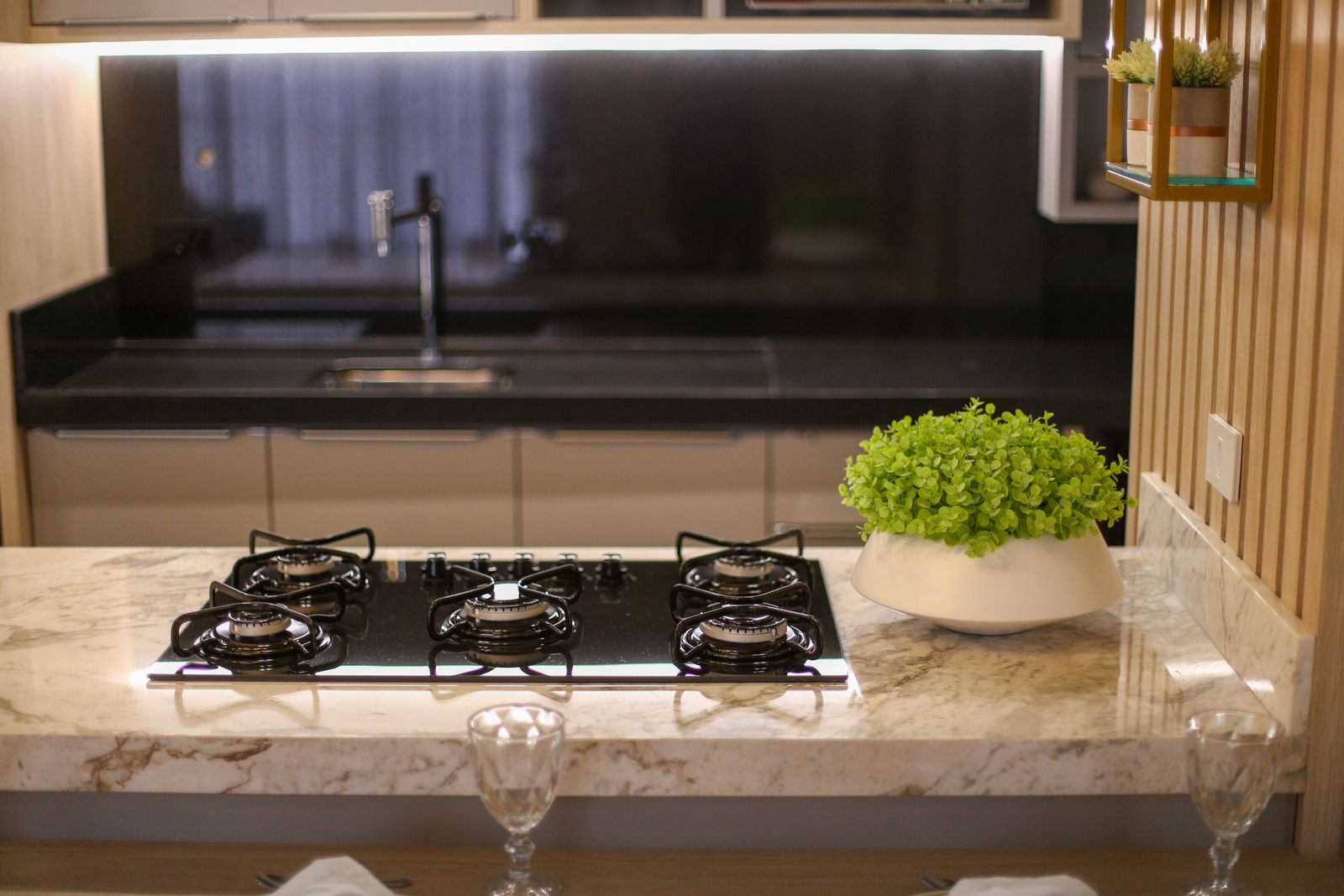
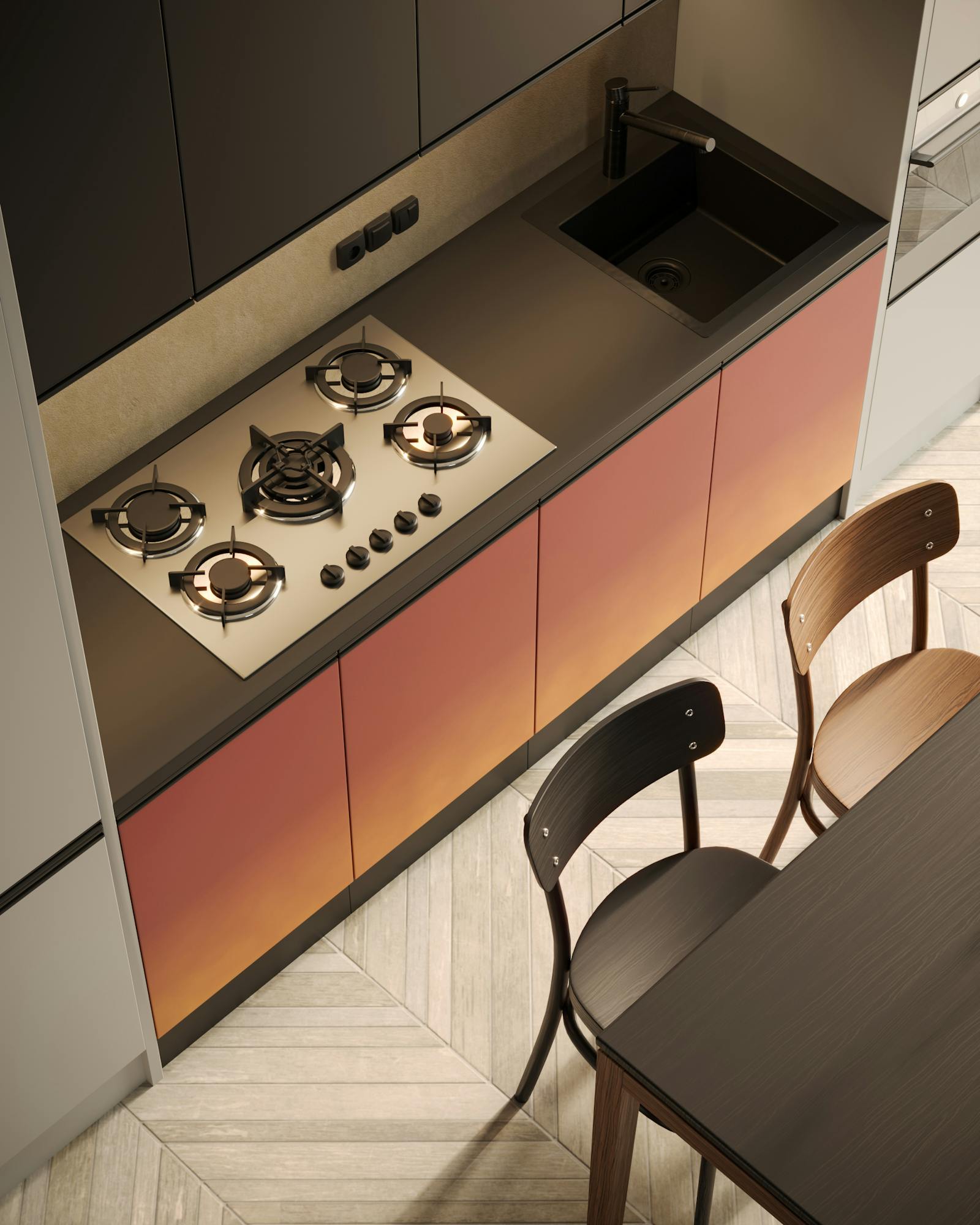
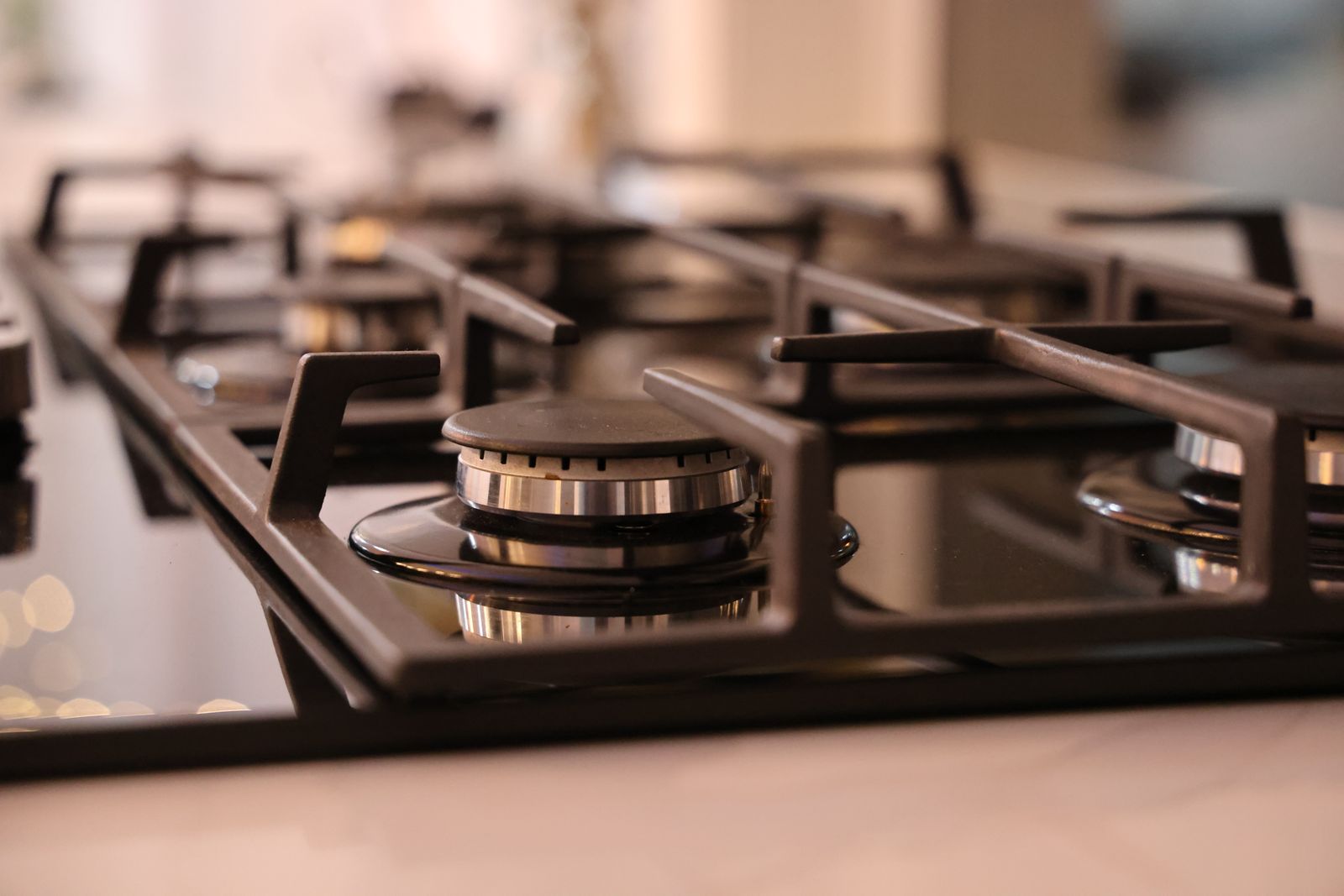
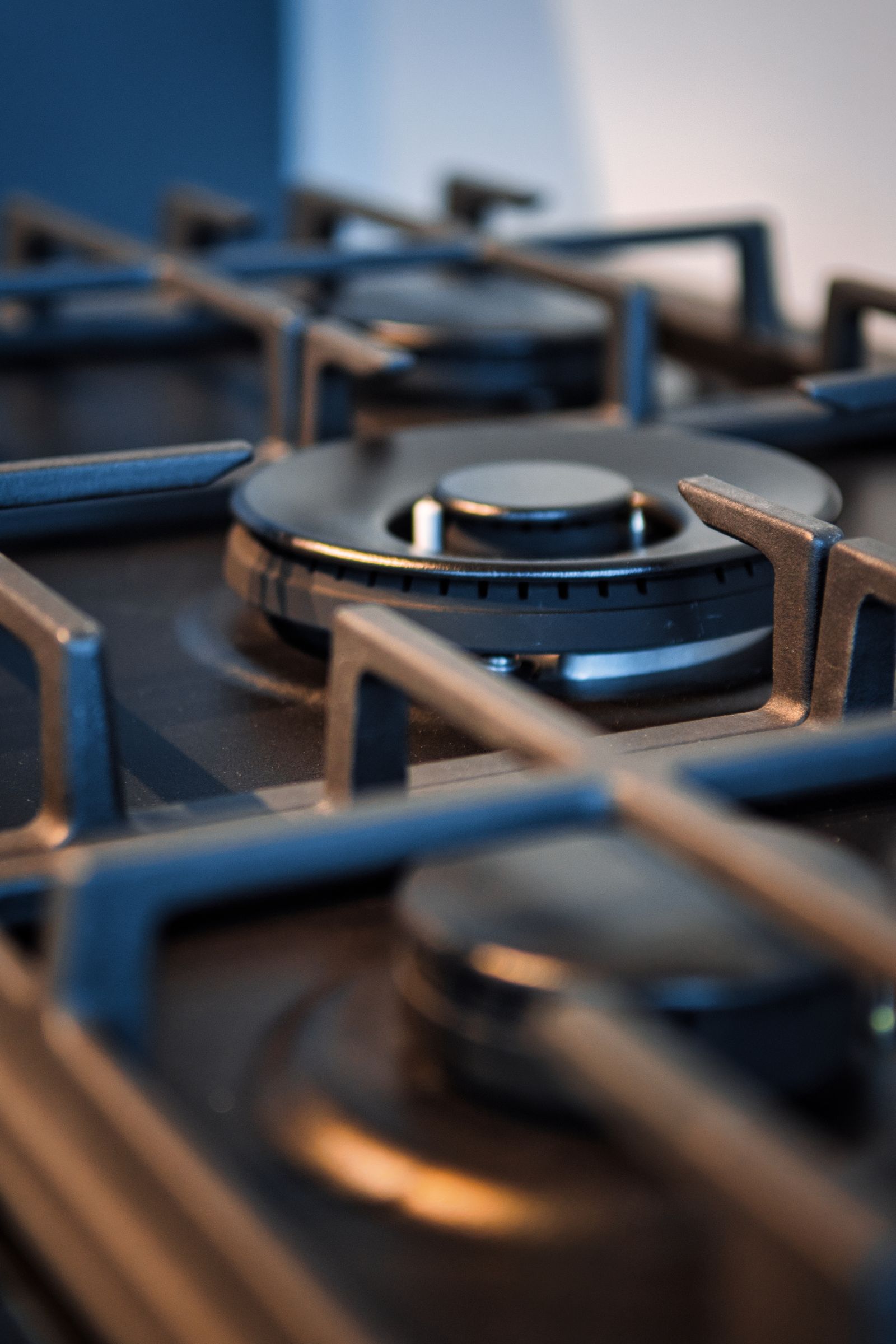
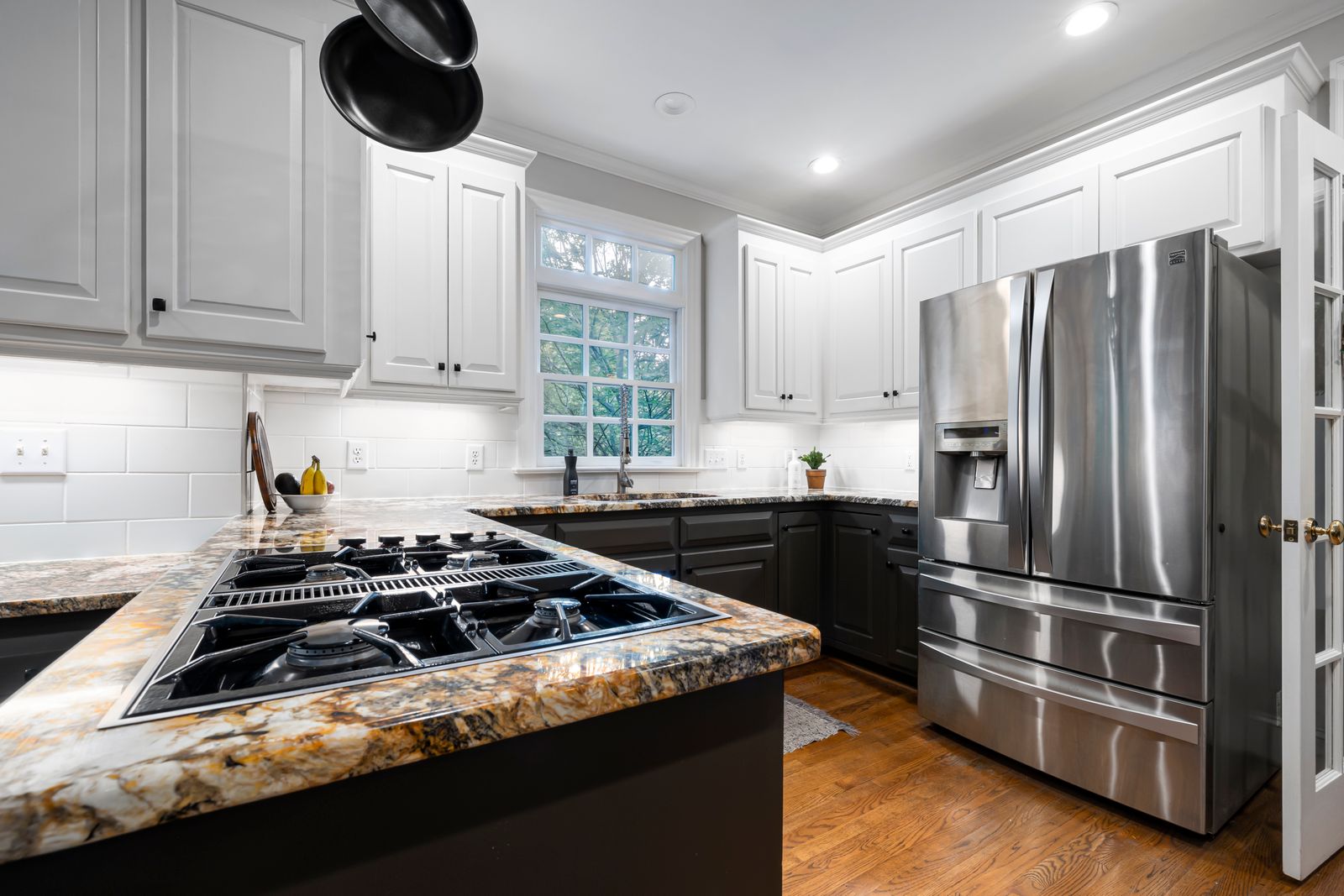
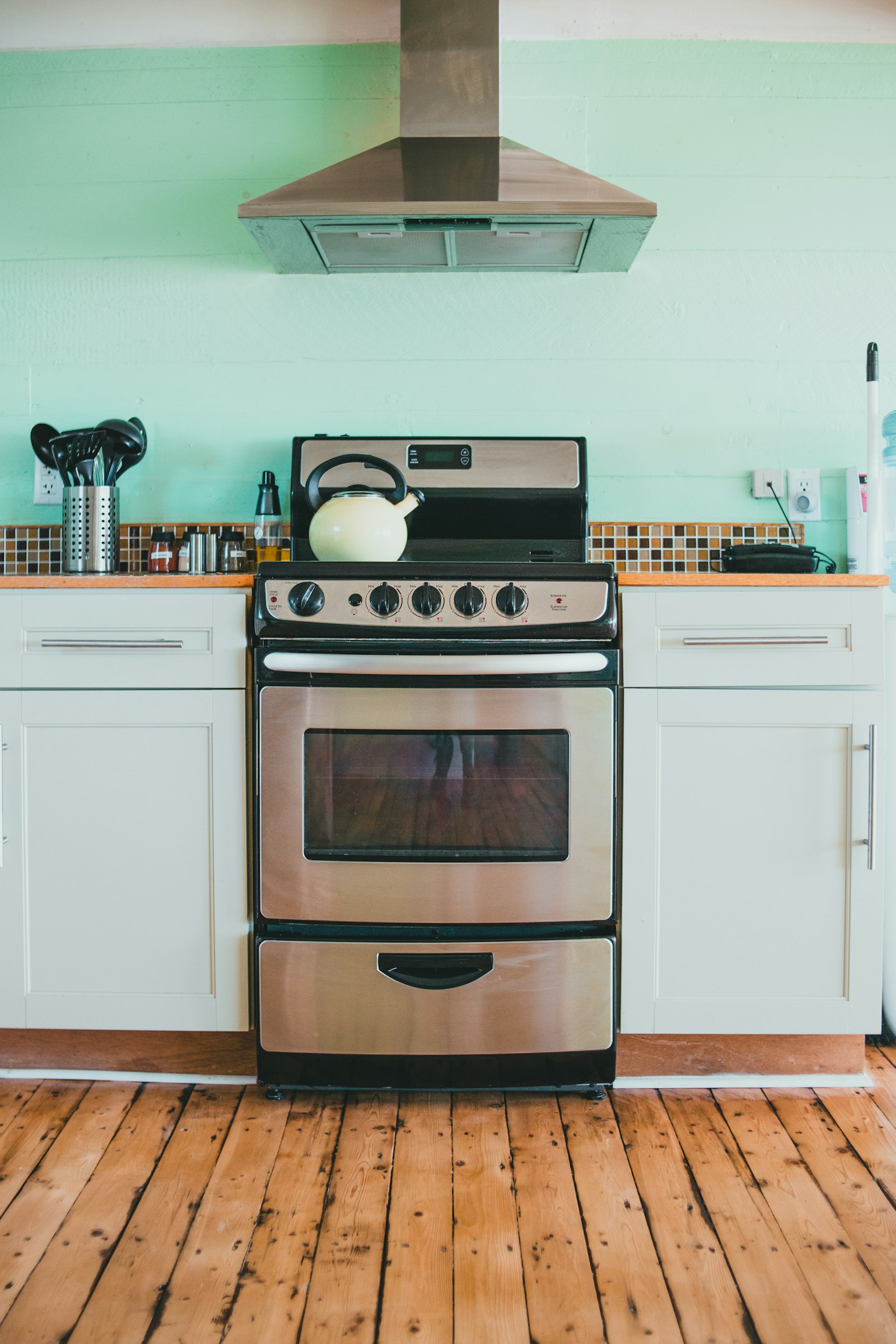
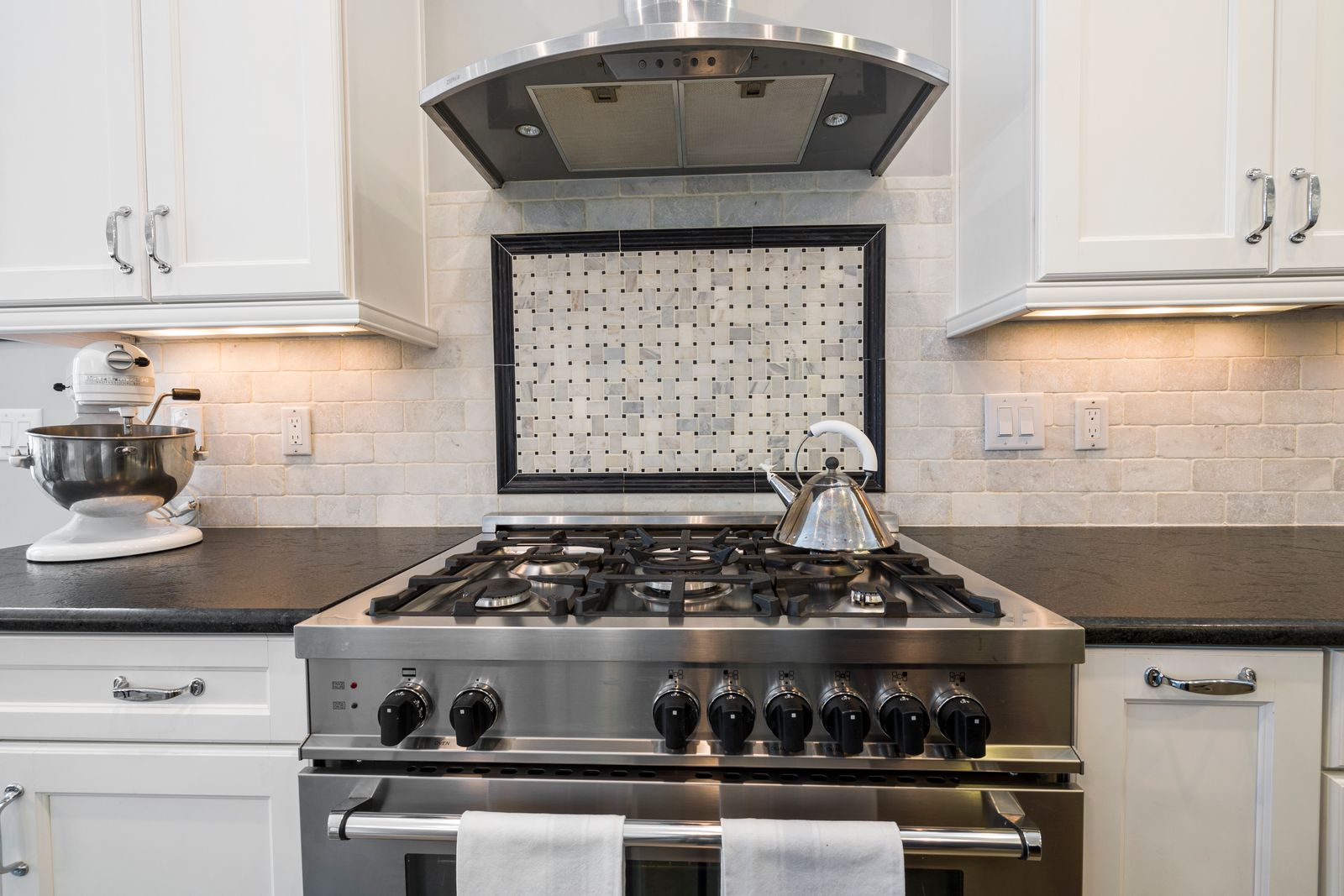
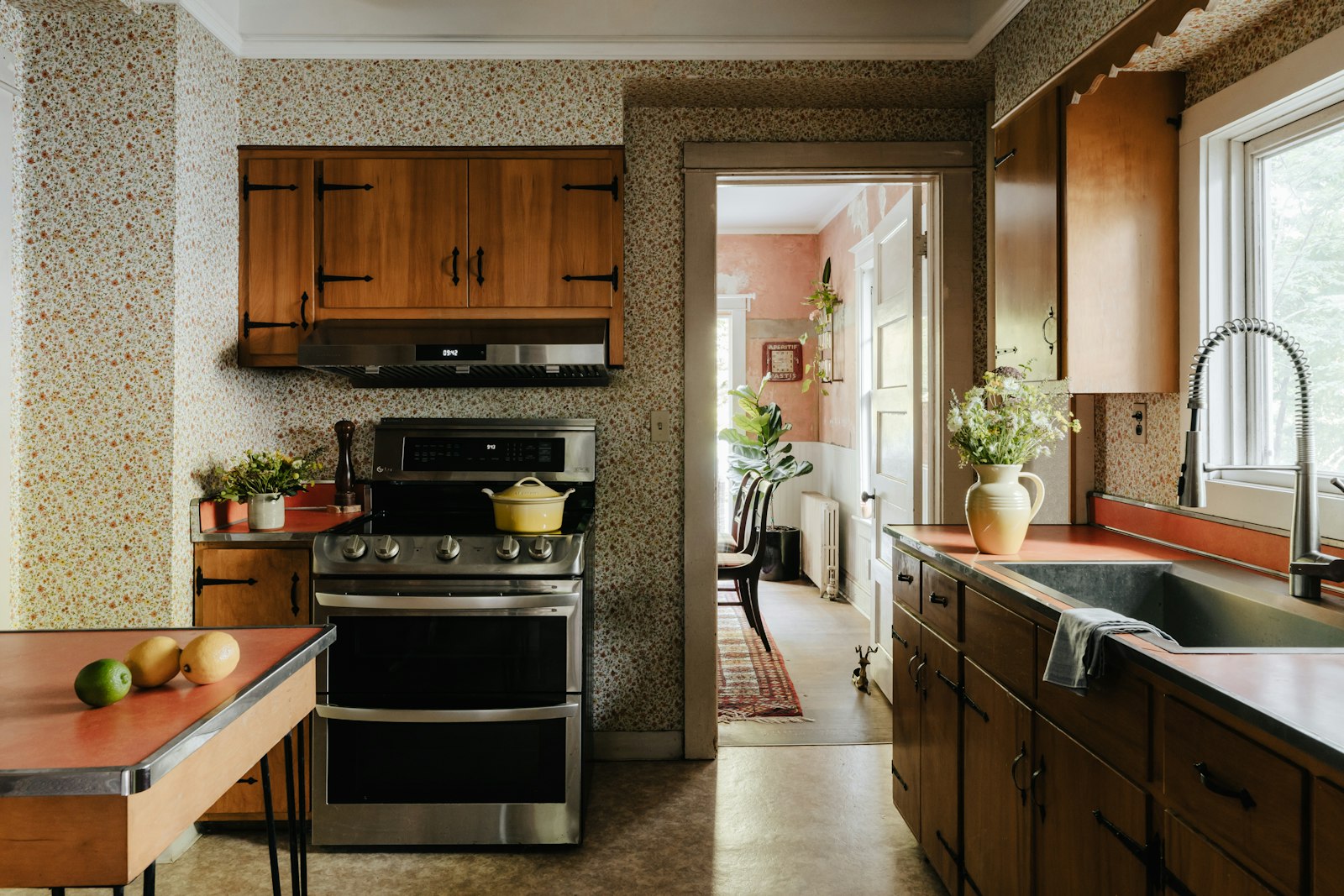
The indoor lineup spans four appliance types. Ranges carry the RGV (gas), RDV, and RDT (dual-fuel) prefixes, plus older RGS and RGSC sealed-burner units, in 30, 36, and 48-inch widths. Rangetops use the CPV and VRT prefixes for cooktop-only units that drop into custom cabinetry. Drop-in cooktops carry CDV and CDU gas prefixes alongside induction variants. Built-in wall ovens use WOV, WOSV, WODV, and WOU prefixes across single and double convection configurations. The critical distinction across these families is gas versus dual-fuel versus electric, because the oven and burner systems share almost no parts. Browse documented indoor units on the range, rangetop, cooktop, and oven model archives.
Outdoor cooking and refrigeration families
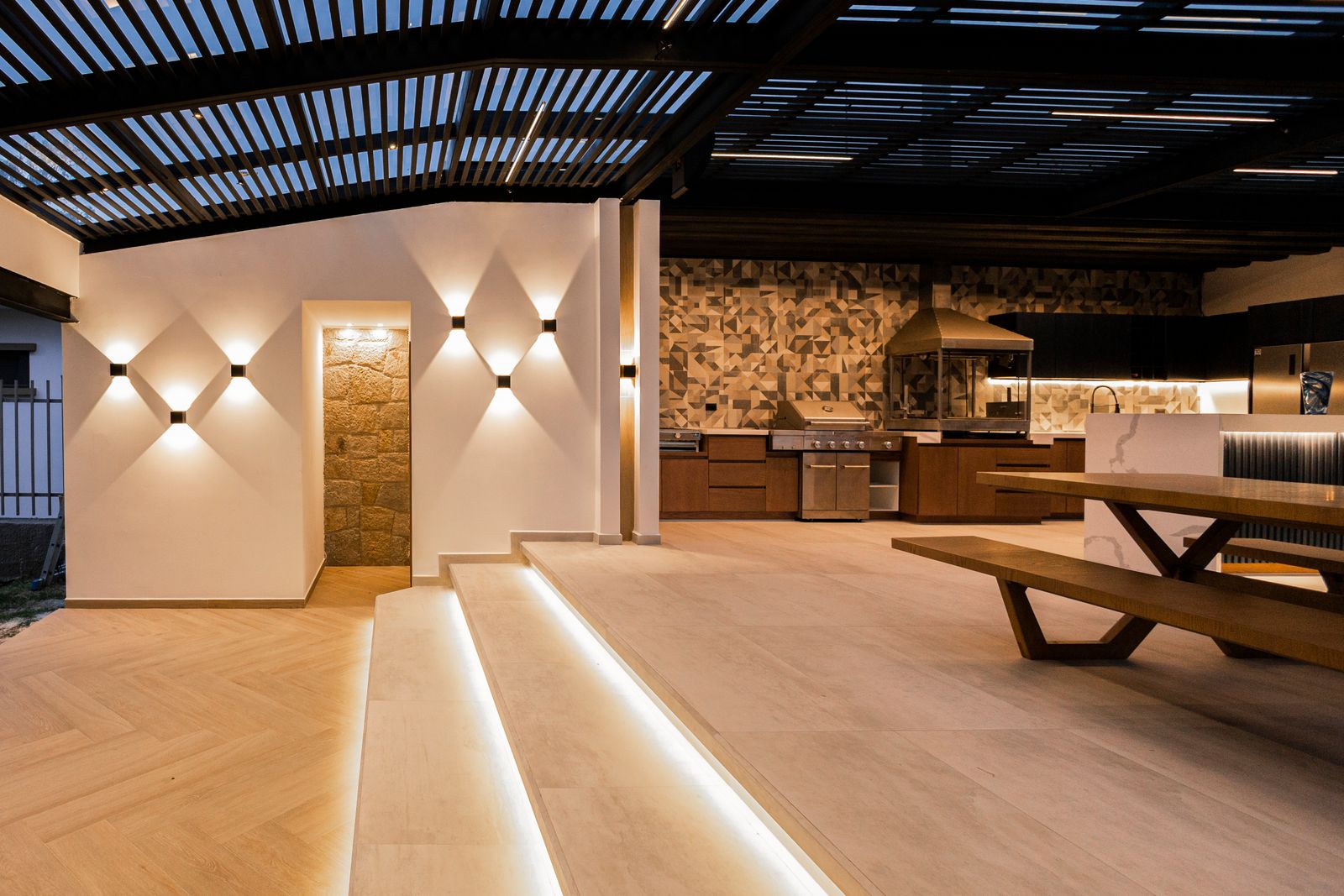
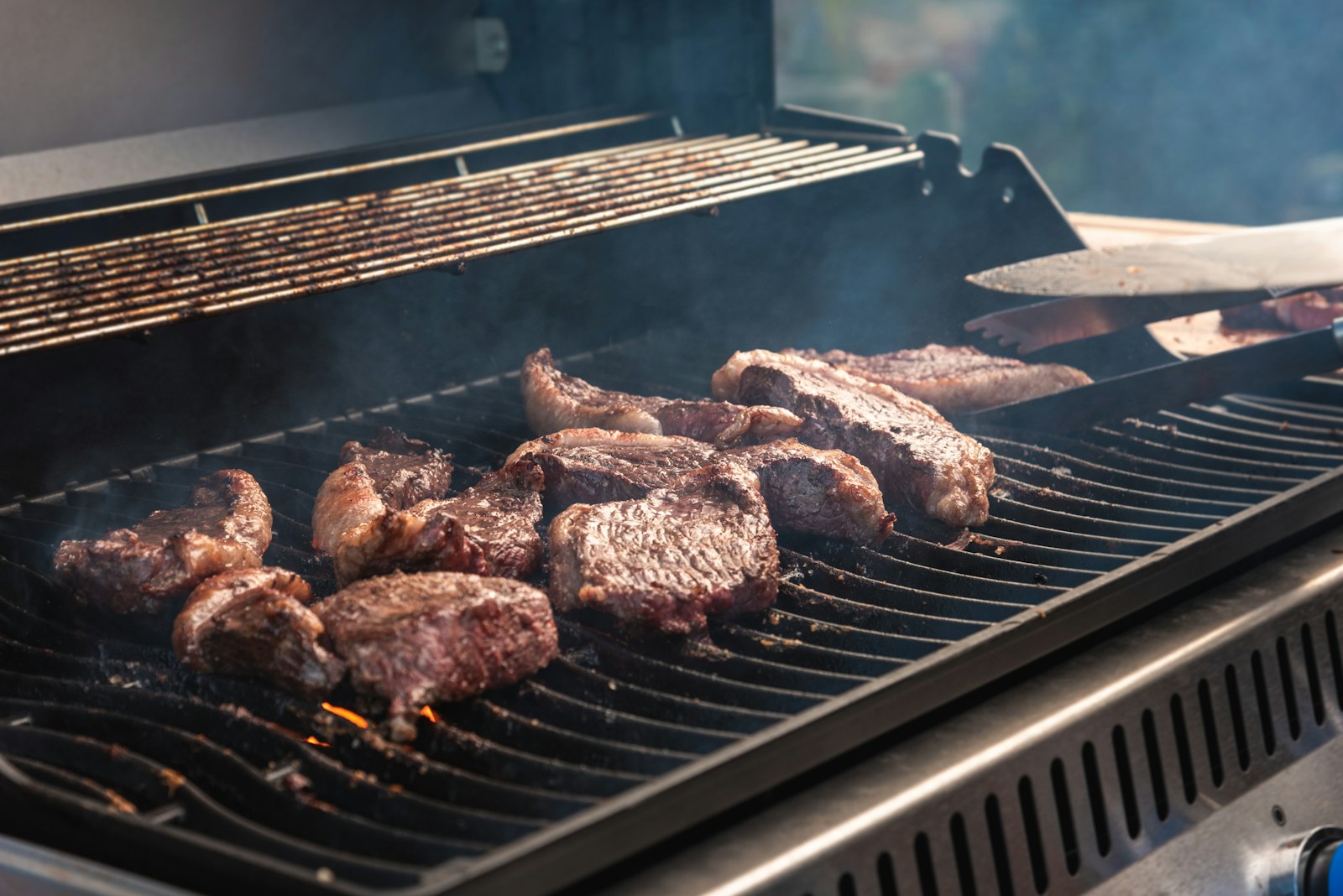
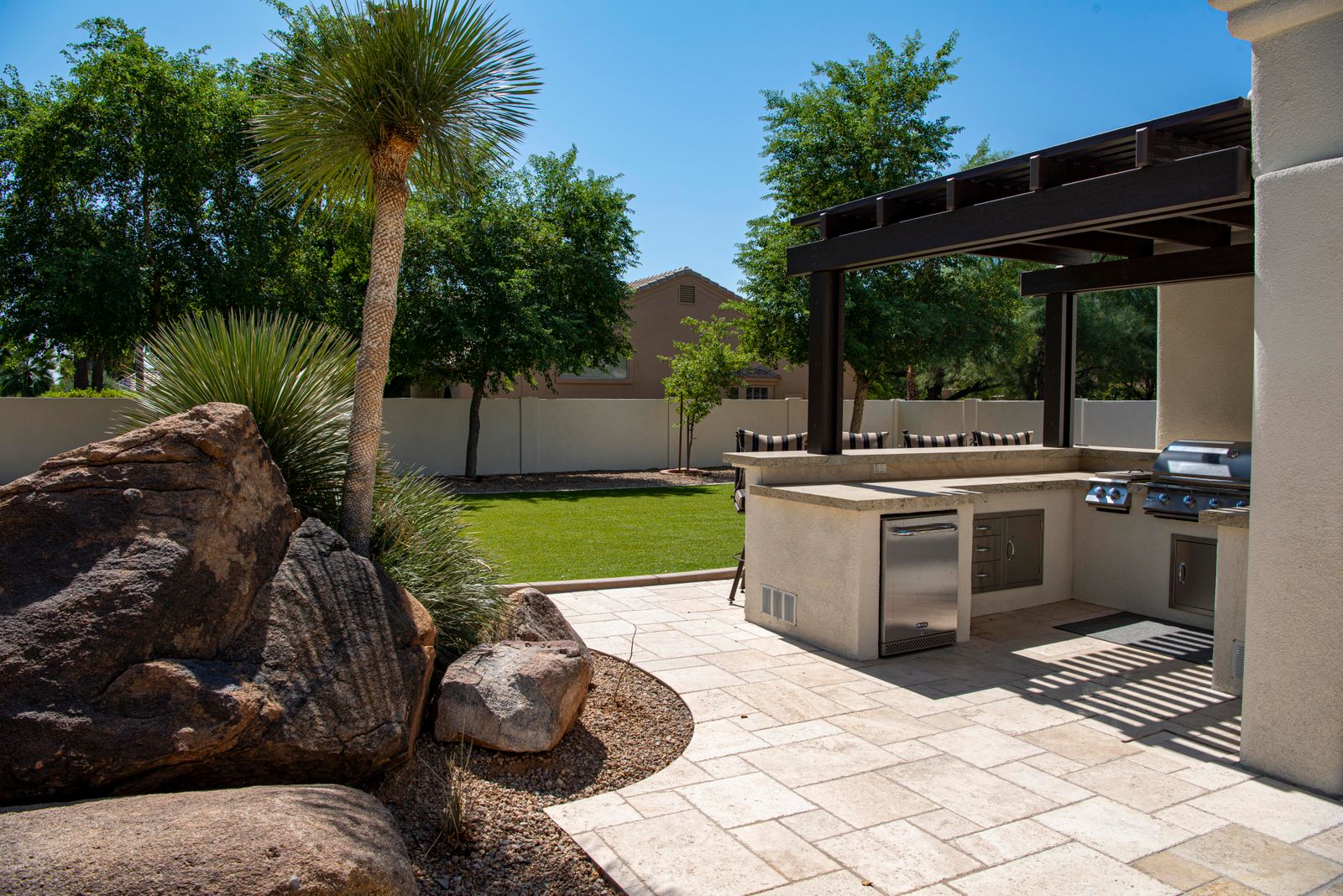
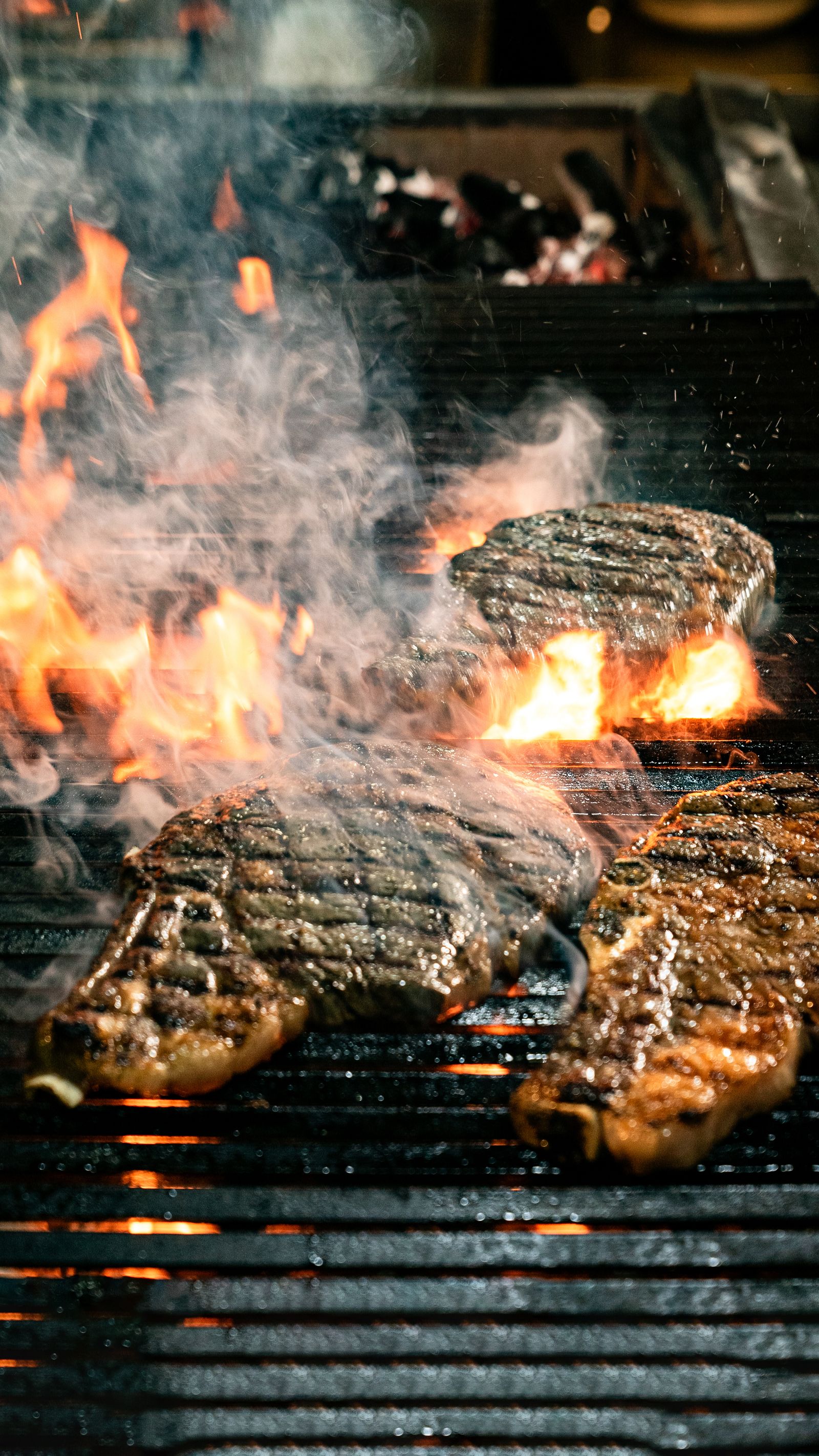
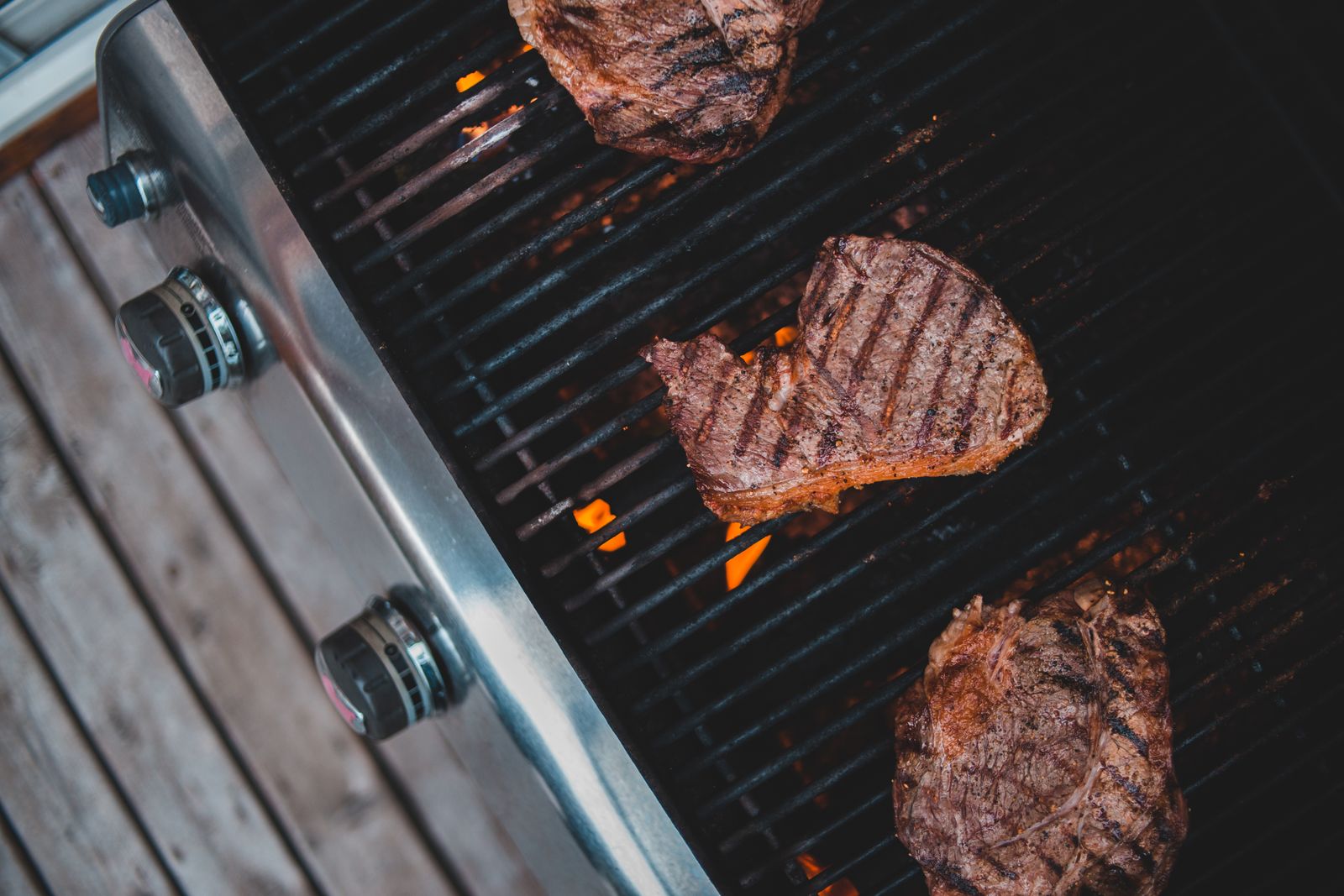
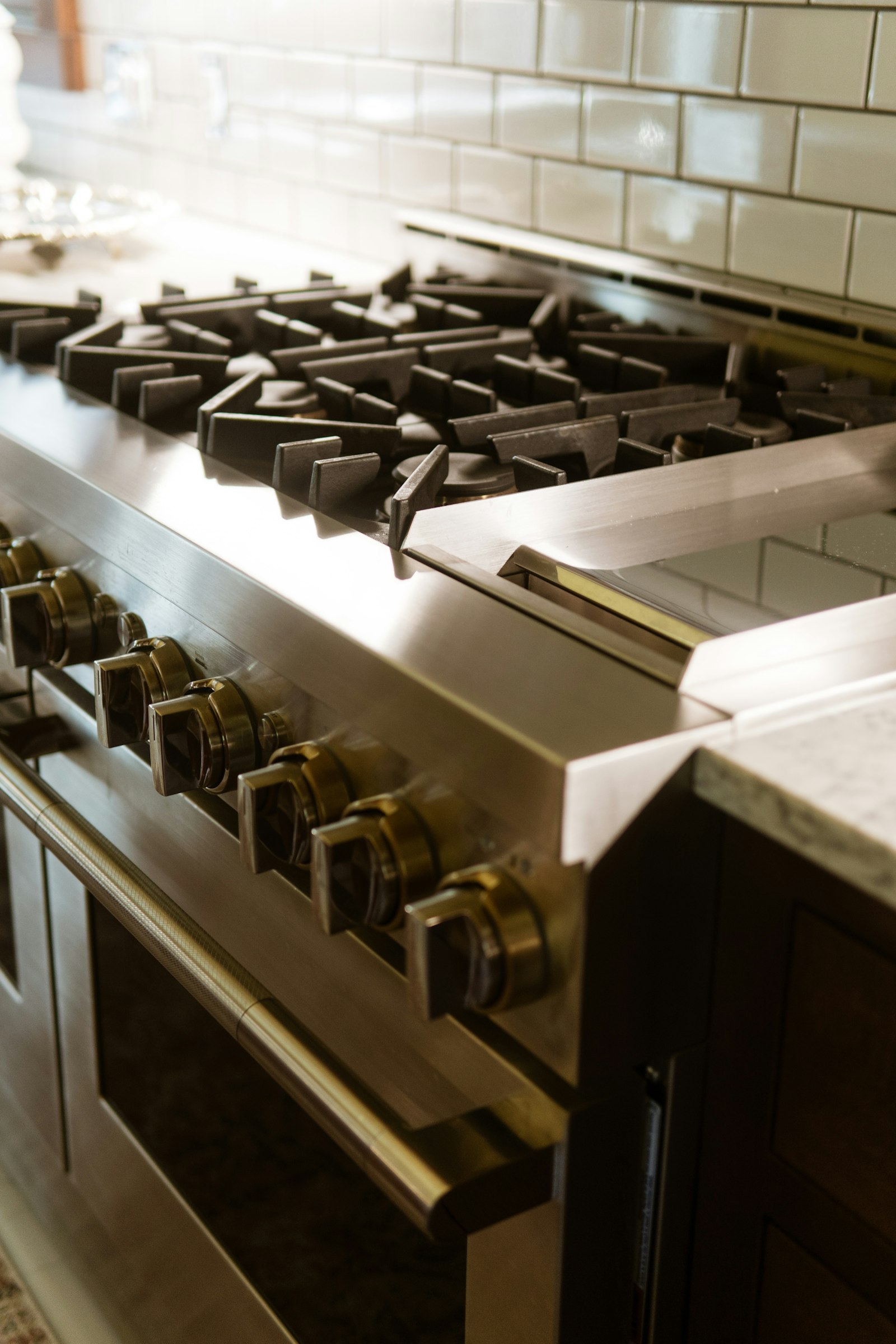
The outdoor lineup is where DCS built its reputation. Flagship grills split into Series 7 and Series 9, with BGB, BGC, BFG, BH1, and BE1 prefixes, U-shaped 304-stainless burners rated around 25,000 BTU each, the Grill Tower, Ceramic Radiant Glow rods, an integrated rotisserie with rear infrared burner, and a Grease Management System. The fuel suffix N marks natural gas and L marks liquid propane — a distinction that drives every regulator and orifice decision. Range hoods carry VS, VSH, and VWH prefixes for indoor and outdoor ventilation. Outdoor refrigerators use the RF24 family (RF24RE right-hinge, RF24LE left-hinge, RF24DE drawers), and outdoor beverage units cover centers, kegerators, and ice makers on the same outdoor-rated platform.
Mechanical versus ActiveSmart electronics
A defining feature of the DCS catalog is the split between mechanical and electronic appliances, and it changes how every repair is approached. The cooking appliances — ranges, rangetops, cooktops, ovens, grills, and hoods — are fundamentally mechanical: they report problems as observable symptoms such as a burner that will not ignite, a weak flame, or weak blower suction, with no stored digital error codes. The DCS outdoor refrigerators, by contrast, are built on Fisher & Paykel ActiveSmart electronics and do display real error codes (CL, CH, FL, FH, IM and more). Knowing which category your unit falls into tells you whether a technician reads a code or diagnoses a symptom — see the full error codes library for both approaches.
Product lines and series we cover
DCS organizes its outdoor appliances into Series 7 and Series 9 tiers, and its cooking and refrigeration into professional and outdoor collections. Our technicians are trained across all of them, on both current production and legacy units that predate today’s burner and control generations. Because DCS shares engineering with parent company Fisher & Paykel, the ActiveSmart electronics in the outdoor refrigeration line are well documented and serviceable, and we keep the diagnostic tools required to read their problem patterns. Whatever line your appliance belongs to, identifying the model is what connects it to the right parts and the right repair procedure.
Using your model number for faster repair
The model and serial plate is usually behind a door, under a drawer, along a side panel, or visible on the front frame depending on the appliance. Recording the full model number — including every suffix letter — before you contact us lets our certified technicians arrive with the correct burner, igniter, element, sensor, gasket, or ActiveSmart board on the first visit. It also tells us whether your unit predates current control or burner generations, which affects parts sourcing. Our team carries genuine DCS components and the diagnostic tools matched to both current and legacy units, minimizing return visits.
Service, pricing, and next steps
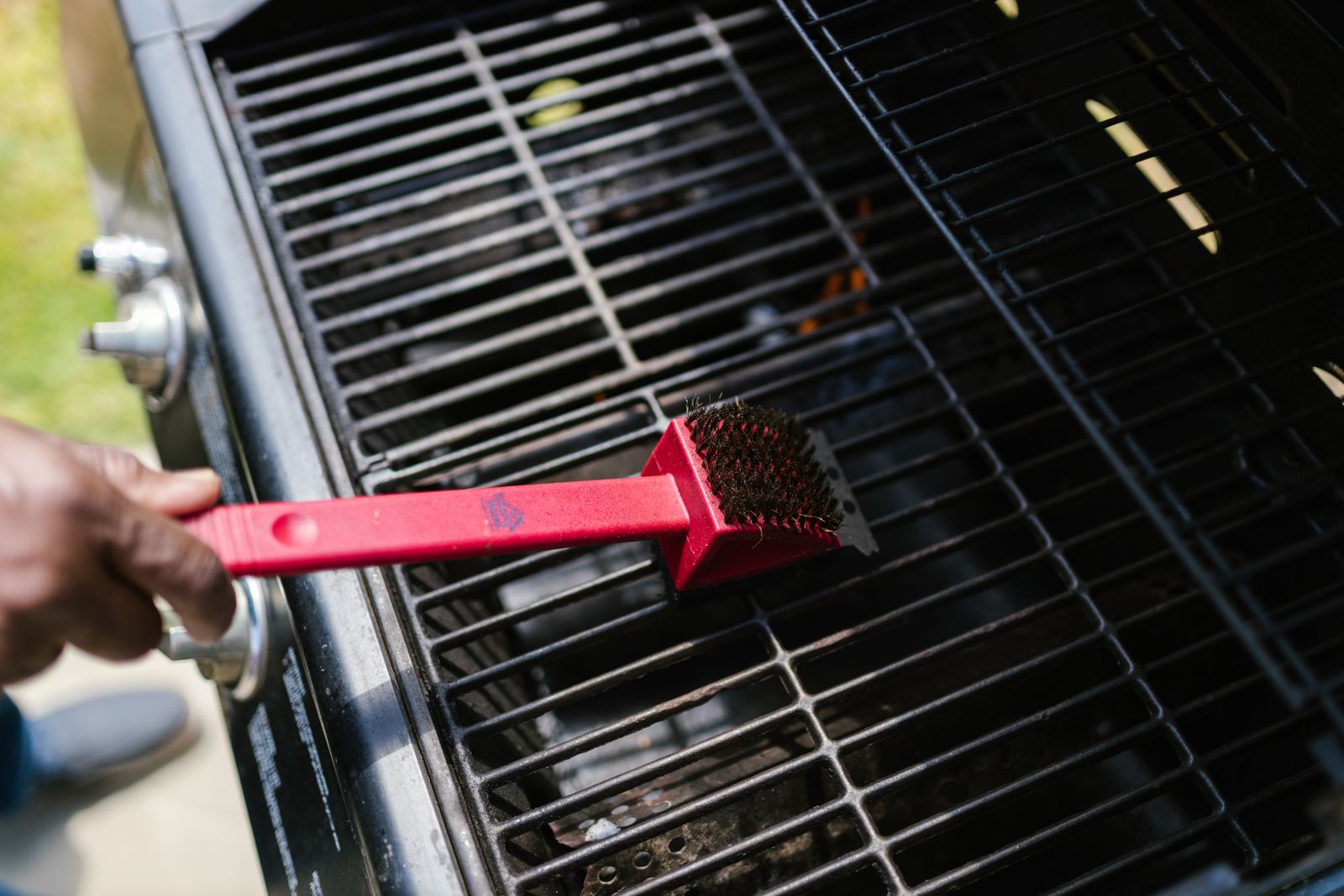
Every DCS appliance is engineered for decades of service, but burners, igniters, elements, sensors, gaskets, and control boards are normal wear items. Routine cleaning and timely part replacement keep each unit performing at factory specification, and when a component does fail we restore it with genuine DCS parts. Diagnostic visits start from $129; the final cost depends on the parts and configuration of your specific model. To get started, identify your model above, review the matching repair services, check the error codes and diagnostics library, then schedule your repair — same-day booking is available 24/7. For original specifications across the full DCS catalog, see the manufacturer’s site at dcsappliances.com.