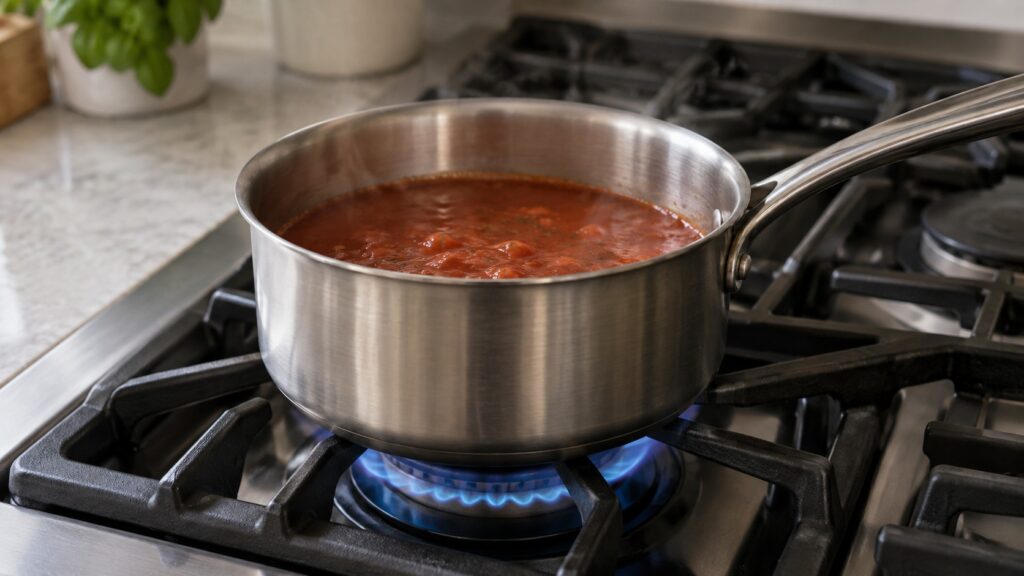
DCS rangetop low heat cooking works best when you match the pan to the burner, give the flame a moment to settle and resist the urge to keep adjusting the knob. A DCS sealed burner can hold a gentle flame for sauces, melted chocolate and slow braises, but only if the pan is flat, the burner is clean and the knob is turned to the lowest steady setting rather than to a flame that is about to go out.
How do you get a steady low flame on a DCS rangetop?
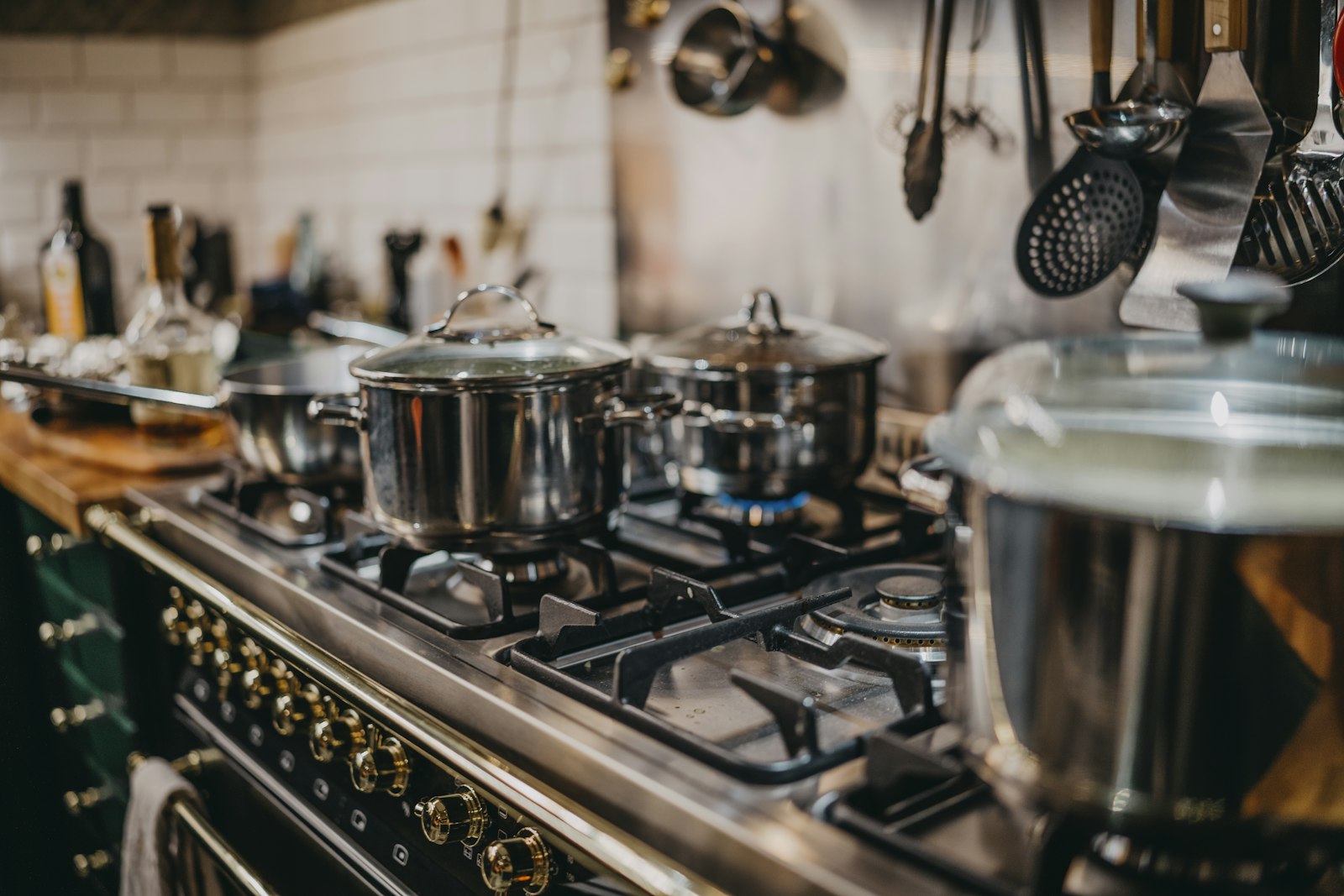
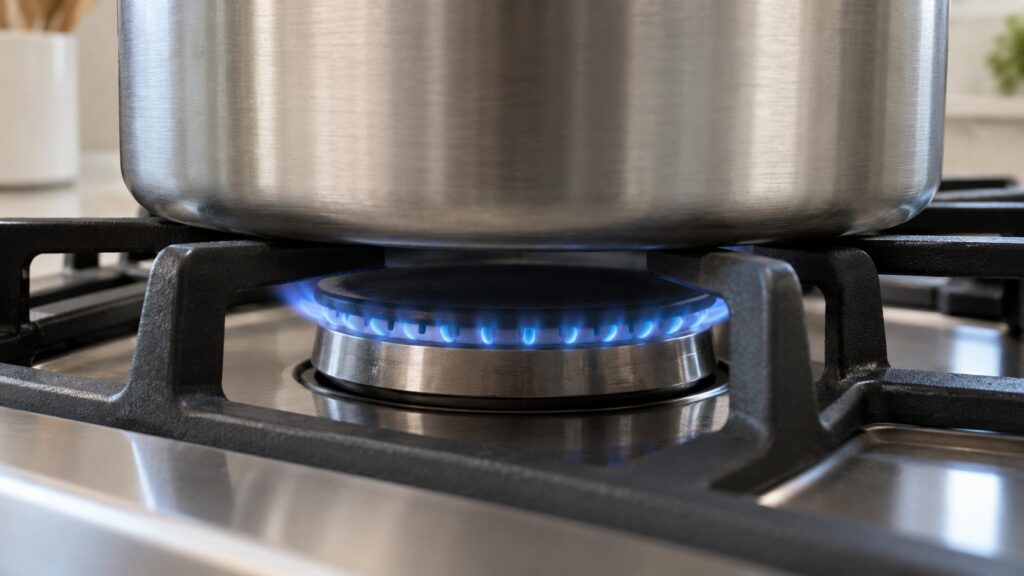
Light the burner on a higher setting first so the flame catches and settles, then turn the knob slowly down to the lowest steady setting. Pause for a few seconds at that setting and watch the flame. A good low flame is a small, even ring of blue around the burner cap, with no gaps and no wobble. If the flame is hesitating or growing smaller with every second, nudge the knob up a little and let it stabilize.
Avoid turning the knob down to the very bottom of its travel and leaving it, because the lowest edge of the range is where a flame is most likely to blow out. A tiny change in the knob often makes a bigger difference than it seems. If a burner will not hold a low flame at all, it is worth reading our guide to the DCS cooktop weak flame for the usual causes.
Which pan is best for gentle heat?
A flat, heavy-bottomed pan is the single best tool for low heat. The weight of the base spreads the flame’s heat evenly, so a sauce does not scorch in the center while the edges stay cool. A pan with a warped bottom rocks on the grate and heats unevenly, and a thin pan concentrates heat in the spot above the flame. Match the pan size to the burner, with the base covering the flame ring but not hanging far past the edge, since overhanging pans trap heat around the burner.
For delicate foods like custards, melted chocolate or hollandaise, a double boiler or a heavy pot with a water bath gives more forgiveness than direct heat. For long simmers, a lidded pot lets you use the lowest flame that still keeps a bubble moving. Our DCS range cooking tips and DCS cooktop cooking tips cover more about matching pans to burners.
Why does the flame keep going out on low?
Several ordinary things can blow out a low flame. A draft from an open window, a ceiling fan or a strong range hood fan can push the flame sideways until it detaches. A pan placed slightly off-center can block airflow around the burner. Spilled food or grease in the burner ports makes the flame uneven, and a burner cap that is not seated properly changes the shape of the flame completely.
Check the cap first. Lift it off, make sure it is dry and clean, and set it back so it sits flat and locks into place. Then clear the ports with a soft brush or a straightened paper clip, taking care not to enlarge them. Our guide to DCS rangetop burner cleaning shows the routine. If the flame still lifts or flickers, or the burner clicks repeatedly while it burns, read our guide to DCS rangetop continuous clicking.
How do you simmer without scorching?
Bring the liquid to a simmer on a medium flame, then drop the heat as soon as the first bubbles break the surface. Stir the bottom of the pot, scraping the corners, every so often so nothing settles and sticks. Use a lid, slightly ajar, for sauces you want to reduce and fully on for braises you want to keep moist. Thick foods like tomato sauce, chili or pudding scorch easily because the thickness traps heat at the base, so give them extra attention.
If your cooking needs to stay below simmer, such as keeping a sauce warm for guests, move the pan to a smaller burner at its lowest steady setting or use a heat diffuser plate under the pan. A diffuser spreads the flame and reduces hot spots, though it also slows how quickly the pan responds. Remember that a gas flame at its lowest setting is still a flame, so do not leave it unattended near anything that can catch.
What if a burner will not stay lit or simmer properly?
When a burner refuses to hold a low flame even with a clean cap and a settled setting, the cause is usually a partly blocked port, a worn valve or a gas pressure issue. Owners can check the cap and clear the ports. Anything involving the valve, the orifice or the gas supply belongs with a technician, because the fix changes how gas reaches the flame.
Describe the problem clearly when you call: which burner, how the flame looks at high and at low, and whether the issue started suddenly or slowly. Our DCS rangetop repair page explains the visit. A cleaning or a small part is far cheaper than living with a burner you cannot control.