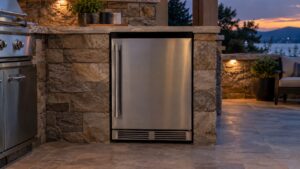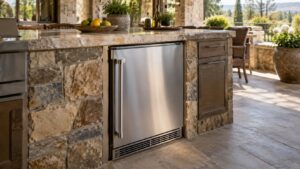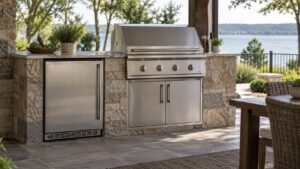
Getting the outdoor refrigerator temperature right on your DCS ActiveSmart unit keeps food safe and prevents nuisance codes. Outdoor units face wide ambient swings, so setup and airflow matter more than indoors. This guide walks through it.
Recommended settings
Set the refrigerator to a standard safe refrigeration temperature and, if your model has a freezer or drawer section, set that to standard freezing. ActiveSmart then adapts cooling to ambient conditions automatically. Use the manufacturer’s recommended values on the manufacturer’s site at dcsappliances.com.
Let it stabilize
- After installation or a setting change, allow about 24 hours to reach a steady temperature.
- Verify with a separate fridge thermometer rather than judging by feel.
- Avoid frequent setting changes, which prevent the unit from settling.
Protect airflow
- Do not overload the cabinet or block the interior vents – this causes warm spots and CH codes.
- Keep the unit level so the door seals and drainage work correctly.
- Ensure the required ventilation clearance around a built-in unit.
Using Rapid Cool-Down
If your model offers Rapid Cool-Down, use it after loading warm drinks or food to recover temperature quickly, then let it return to normal operation. Misuse or a blocked unit can trigger the temperature codes in our error code library.
If temperatures drift
Persistent warm or cold readings, or CL/CH codes that will not clear, point to a sensor, seal, or compressor issue. Review our error codes guide and schedule a technician through our outdoor refrigerator repair team.
Why outdoor placement matters
Direct sun, a hot grill nearby, or poor ventilation all force the compressor to work harder and can push temperatures out of range. Position and shade the unit sensibly, and keep the condenser area clear so it can shed heat. ActiveSmart compensates within limits, but it cannot beat a baking enclosure.
Loading habits
- Leave space for air to circulate around items.
- Cool hot food before loading, or use Rapid Cool-Down.
- Open the door only as long as needed to limit warm-air intake.
Seasonal awareness
In cool weather an outdoor unit can swing toward the cold side, occasionally triggering a CL code; in heat it can run warm. ActiveSmart manages most of this automatically, but if you live with big seasonal swings, check the temperature periodically. For winter shutdown, see our winterizing guide.
Outdoor Refrigerator Temperature: Key Takeaways
To recap on outdoor refrigerator temperature: work through the simple checks first, keep the appliance clean and correctly set up, and address small symptoms before they grow. The guidance above on outdoor refrigerator temperature reflects how our certified technicians approach the same issues in the field, and following it keeps your DCS appliance performing the way it was built to.
- Start with the easiest, lowest-cost checks and confirm the basics before replacing parts.
- Use only genuine DCS-specified parts so performance and safety are not compromised.
- Keep up a regular maintenance routine, which prevents most problems and protects long-term value.
- Know when a job needs a professional, especially anything involving gas, sealed-system refrigeration, or mains wiring.
If the steps here do not resolve your situation, the next move is a proper diagnosis rather than guesswork. Our team covers DCS cooking and outdoor appliances across all 50 states and 120+ metro areas, and the booking form accepts requests 24/7. You can schedule a service appointment at any time, review full specifications on the manufacturer’s site at dcsappliances.com, or browse comparable units on our model pages. Acting early on outdoor refrigerator temperature almost always means a smaller, simpler, and less expensive repair down the line.
When to call a DCS technician
It is worth being clear about the line between sensible owner maintenance and work that belongs with a professional. Routine cleaning, simple resets, and basic setup are well within reach for most owners and are exactly where this guide focuses. Anything involving a gas connection, a sealed refrigeration system, internal wiring, or a part that must be calibrated or pressure-tested is different: those repairs carry real safety and warranty implications and should be handled by a certified technician with the correct tools and genuine DCS parts. A DCS appliance is a long-term investment built from 304 stainless to last for decades, so it is almost always worth maintaining and repairing properly rather than letting a small problem compound. When in doubt, a quick diagnostic visit removes the guesswork, protects the appliance, and gives you a clear, written quote before any work begins so there are never surprises.