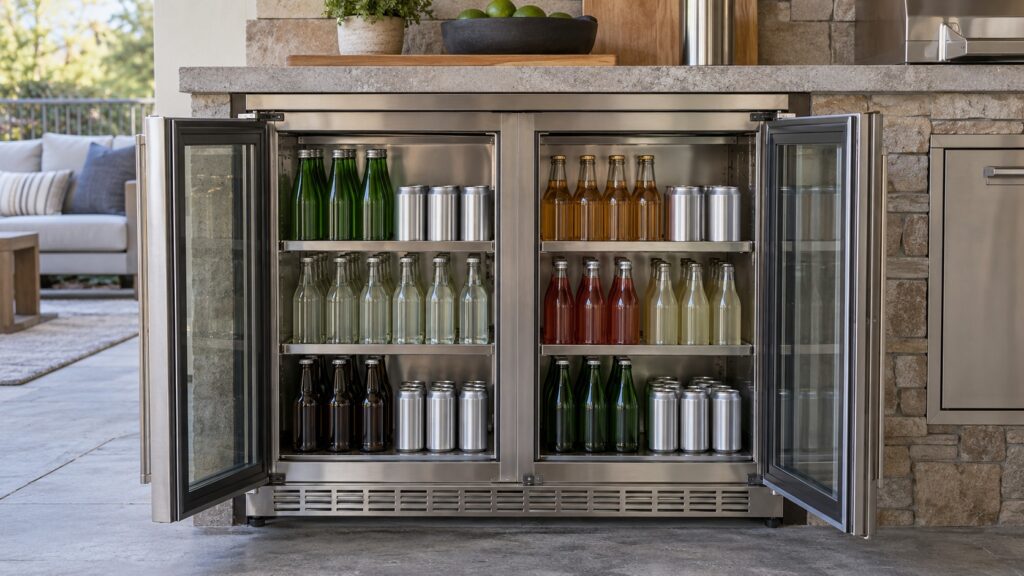
DCS beverage center loading tips are mostly about not fighting the machine. A beverage center holds bottles and cans at drink-serving temperature, and it does that best when cold air can move around the items, the front vent can release heat and the door closes fully. Our beverage center temperature guide says a unit that runs warm is usually down to ventilation, a weak door seal, overloading or ambient heat, not a failed compressor. These tips show how to load for a party, how to settle the temperature after a change and how to avoid the habits that make an outdoor unit work harder than it needs to.
How should you arrange bottles and cans?
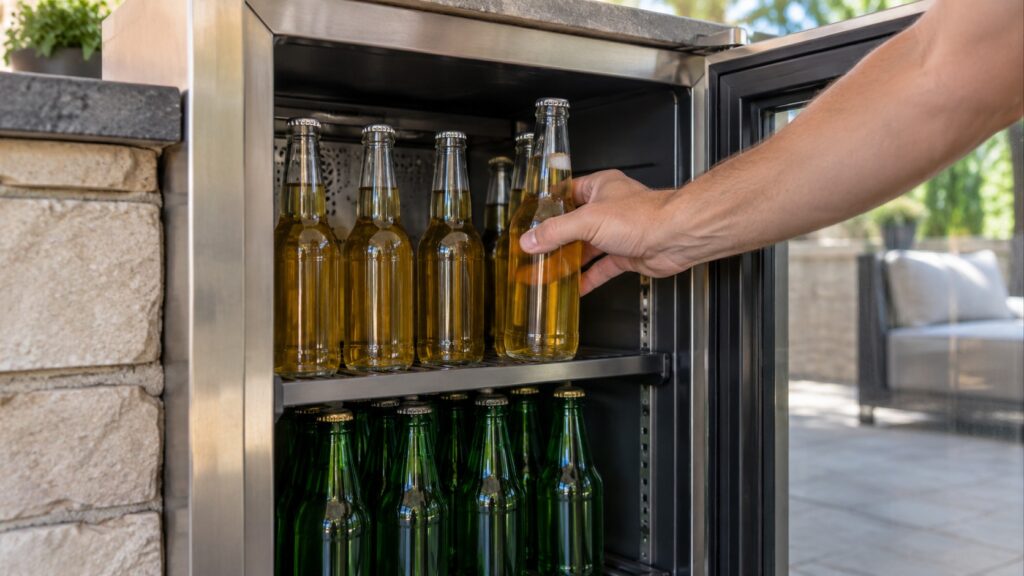
Think of the shelves as lanes for air. Place bottles and cans upright or on their sides in single layers with small gaps, rather than stacking them in a tight pack that blocks the flow. Keep items clear of the back wall and any interior vent, and do not line the shelves with foil, paper or mats that cover the open shelf design. Put the drinks you reach for most near the front and the spares behind them, and group like items so you do not leave the door open while you hunt. Heavy items go low, and bottles that stick out beyond the shelf edge should be turned so they cannot push the door open.
Why does overloading cause warm spots?
Because a beverage center cools by moving cold air past the items. Our beverage center temperature guide notes that overpacking blocks airflow and creates warm pockets, and that loading many warm bottles at once temporarily raises the temperature. A full shelf of warm cans is a big heat load that the unit has to absorb before the whole cabinet cools. Load a party in stages, with the drinks that need to be cold first and the rest after the cabinet has recovered, and chill the bulk of the drinks beforehand if you can, for example in a cooler with ice.
What does the front vent have to do with loading?
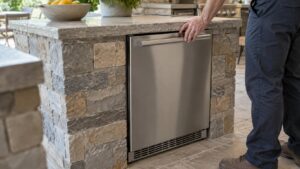
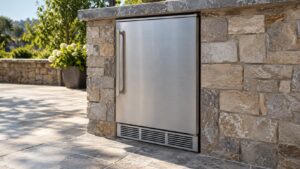
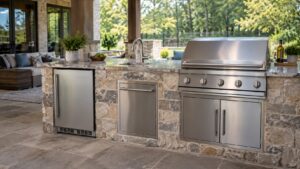
Everything outside the cabinet counts too. The guide explains that beverage centers shed heat through a vent area, often at the front base, and that a built-in installation that blocks it cannot cool properly. Keep that area clear: no boxes, bags or decorative items against it, no cover over the unit while it runs. Our outdoor beverage buying guide says to provide the required ventilation clearance and to confirm the outdoor rating. A unit that is shaded and well ventilated holds temperature better than the same unit baking in afternoon sun next to a grill.
How do you settle the temperature after a change?
Patience is the secret. After you load, move the unit, or change a setting, allow time for it to stabilize and check with a separate thermometer rather than by feel. The guide suggests about 24 hours after a change and warns that frequent setting changes stop the unit from settling. Make a single change, wait, and then judge. Turning the dial colder because the first shelf of drinks is not cold yet is the most common mistake: the unit overshoots, the bottles at the back freeze or the unit tries too hard in the heat. Some models are simple thermostatic units and some are electronic, as the guide explains, so use your owner’s manual for the control on your model.
Which habits make an outdoor unit work harder?
Opening the door often and for long periods lets warm, humid air in. Loading hot or warm items does the same job from inside. Leaving the door slightly ajar, putting the unit in direct sun and placing it right beside a hot grill all add heat that the unit has to overcome. A door gasket that is dirty or worn lets warm air leak in all day; our door seal maintenance guide shows the dollar-bill test, and the same check applies to a beverage unit. The too cold and not cooling pages explain what each symptom can mean.
Where does a beverage center end and an ice maker or kegerator begin?
A beverage center chills bottles and cans. If you want draft beer, a kegerator holds a keg and dispenses it with CO2; if you want ice, a dedicated ice maker or a unit with an ice maker is the right choice. Our beverage chiller vs kegerator guide compares them. Do not use a beverage center as a freezer or to hold items it was not built for, and do not store a keg in a unit that is not made for it. If you need help choosing or servicing, our DCS outdoor beverage repair page explains how a visit works.
A last practical tip for entertaining: do a dry run before the event. Load the unit a day ahead, let it settle, check the temperature with a thermometer and decide whether you need a cooler as backup for the busiest hour. A beverage center keeps drinks cold well, but it is not a machine for chilling a whole party’s worth of warm drinks in an hour. If it still runs warm with a good load, a clear vent and a good seal, ask a technician to look at the thermostat, fan and sealed system.