A DCS grill low heat complaint – where the grill lights but never reaches its searing range near 1100°F – almost always traces to a gas-flow restriction rather than a broken burner. DCS grills are mechanical, so there is no error code to read; you diagnose by symptom. This guide covers the usual causes in order. This DCS dcs grill heat troubleshooting guide walks through the likely causes and the steps to fix it.
First: the propane regulator bypass
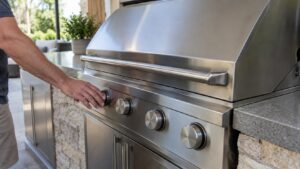
On liquid-propane DCS grills, opening the tank valve too fast (or lighting with the lid burners on) trips the safety bypass in the regulator, choking gas to a trickle. To reset it: close the lid, turn all burner knobs off, close the tank valve, wait 30 seconds, then slowly open the tank valve and light normally. This single fix resolves the majority of low-heat calls.
Second: clogged burners
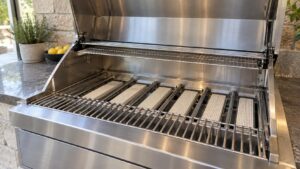
Carbonized grease and insect nests in the venturi tubes starve the burners. Pull and clean each U-shaped burner as described in our burner cleaning guide. Look for yellow or uneven flames, which confirm a flow problem.
Other things to check
- Tank level – a nearly empty propane tank cannot maintain pressure under load.
- Cold-weather propane – very cold tanks lose vapor pressure; a larger or warmer tank helps.
- Kinked or pinched hose behind a built-in grill.
- Natural-gas supply pressure – a long or undersized gas line drops pressure when multiple appliances run.
- Orifice sizing – a grill converted between NG and LP needs the correct orifices.
Confirm the fix
After resetting the regulator and cleaning the burners, preheat with the lid closed for 10-15 minutes. A healthy DCS grill should easily exceed 500°F at the grate and reach searing temperatures with the lid down. If it still runs cool, the regulator or a gas valve may need replacement – see the manufacturer’s site at dcsappliances.com for model specifications, and match other symptoms in our grill symptom library.
Why there is no error code
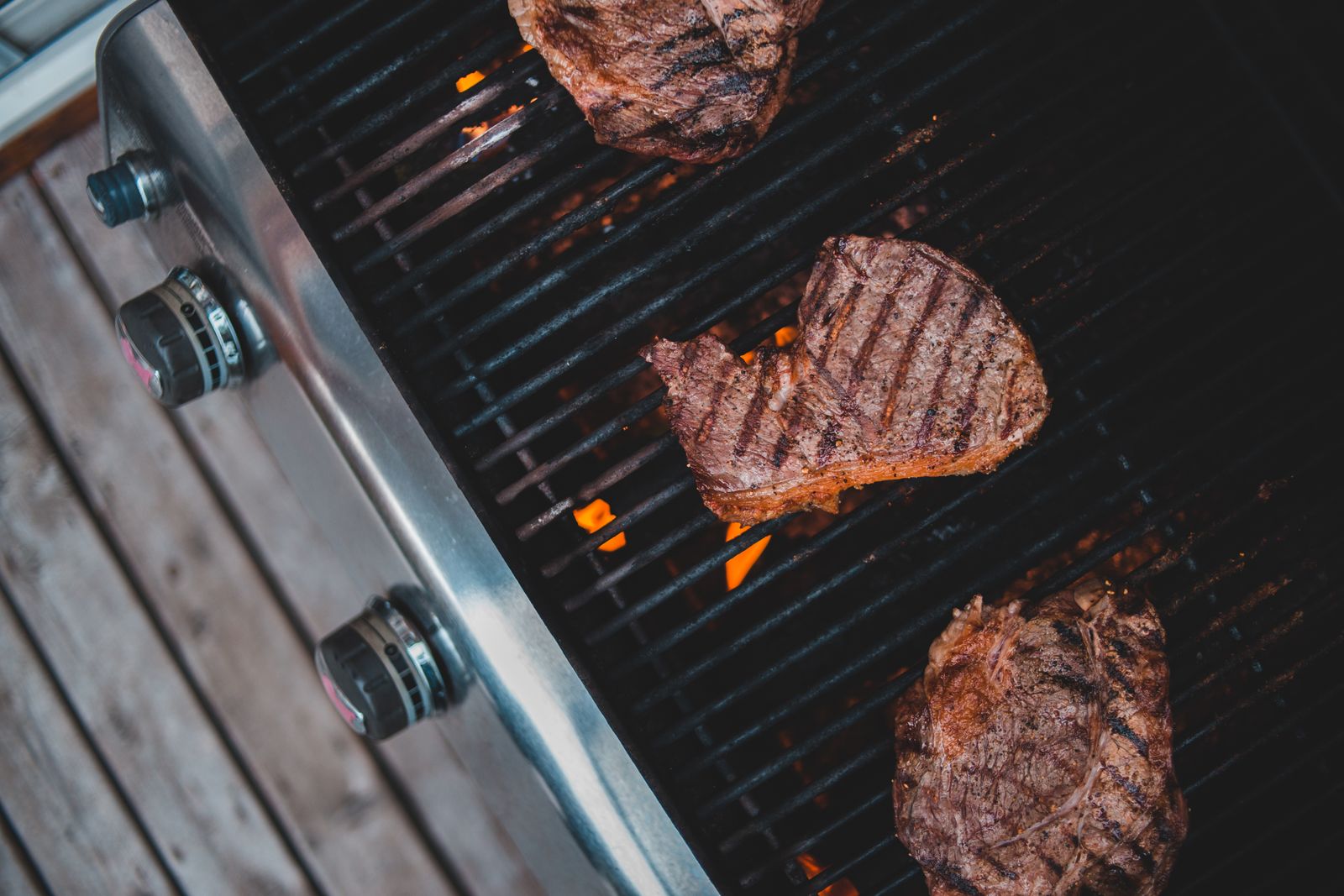
Unlike DCS outdoor refrigerators, which run Fisher & Paykel ActiveSmart electronics with genuine error codes, DCS grills are fully mechanical. There is no display and no stored diagnostic – you read the flame and the heat. That is why low-heat troubleshooting is symptom-driven and why a clean blue flame is your best diagnostic signal.
Built-in vs cart grills
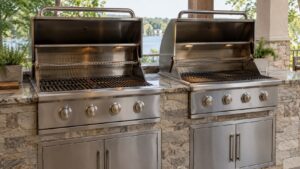
On a built-in Series 9, low heat can also come from inadequate ventilation in the enclosure or an undersized gas line shared with other outdoor appliances. On a freestanding cart grill, suspect the LP regulator and tank first. Either way, confirm the supply before condemning a burner.
When to call a technician
If the regulator reset and burner cleaning do not restore heat, the regulator, a gas valve, or the manifold may have failed – all jobs for a pro. Book a certified DCS technician and avoid running the grill at partial flame, which wastes fuel and bakes on more residue. You can also browse comparable units on our DCS grill model pages.
Dcs Grill Low Heat: Key Takeaways
To recap on dcs grill low heat: work through the simple checks first, keep the appliance clean and correctly set up, and address small symptoms before they grow. The guidance above on dcs grill low heat reflects how our certified technicians approach the same issues in the field, and following it keeps your DCS appliance performing the way it was built to.
- Start with the easiest, lowest-cost checks and confirm the basics before replacing parts.
- Use only genuine DCS-specified parts so performance and safety are not compromised.
- Keep up a regular maintenance routine, which prevents most problems and protects long-term value.
- Know when a job needs a professional, especially anything involving gas, sealed-system refrigeration, or mains wiring.
If the steps here do not resolve your situation, the next move is a proper diagnosis rather than guesswork. Our team covers DCS cooking and outdoor appliances across all 50 states and 120+ metro areas, and the booking form accepts requests 24/7. You can schedule a service appointment at any time, review full specifications on the manufacturer’s site at dcsappliances.com, or browse comparable units on our model pages. Acting early on dcs grill low heat almost always means a smaller, simpler, and less expensive repair down the line.
When to call a DCS technician
It is worth being clear about the line between sensible owner maintenance and work that belongs with a professional. Routine cleaning, simple resets, and basic setup are well within reach for most owners and are exactly where this guide focuses. Anything involving a gas connection, a sealed refrigeration system, internal wiring, or a part that must be calibrated or pressure-tested is different: those repairs carry real safety and warranty implications and should be handled by a certified technician with the correct tools and genuine DCS parts. A DCS appliance is a long-term investment built from 304 stainless to last for decades, so it is almost always worth maintaining and repairing properly rather than letting a small problem compound. When in doubt, a quick diagnostic visit removes the guesswork, protects the appliance, and gives you a clear, written quote before any work begins so there are never surprises.
DCS Grill Heat Troubleshooting
If you have worked through this dcs grill heat troubleshooting checklist and the problem remains, it is time for a professional diagnosis. Book a certified DCS technician and we will confirm the problem and quote the repair before any work begins.