This dcs wall oven buying guide helps you choose between single and double built-in ovens. The right choice depends on how you cook, your cutout space, and your capacity needs. This guide breaks it down.
Single wall oven
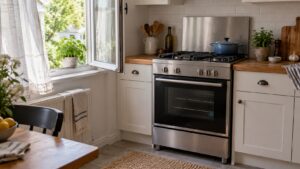
A single oven suits most households and the widest range of cutouts. It offers full convection cooking in one cavity and is the simpler, more space-efficient choice. For everyday cooking and smaller kitchens, it is usually all you need.
Double wall oven
A double oven gives two independent cavities, so you can roast at one temperature while baking at another – ideal for entertaining and holiday cooking. It needs a taller cutout and a larger budget, with more components to maintain.
How to choose
- Capacity: Double ovens win for multi-dish, multi-temperature cooking.
- Space: Confirm your cutout can fit a double oven before committing.
- Budget: A single oven costs and maintains less.
- Convection: Both offer convection – see our convection guide.
Installation factors
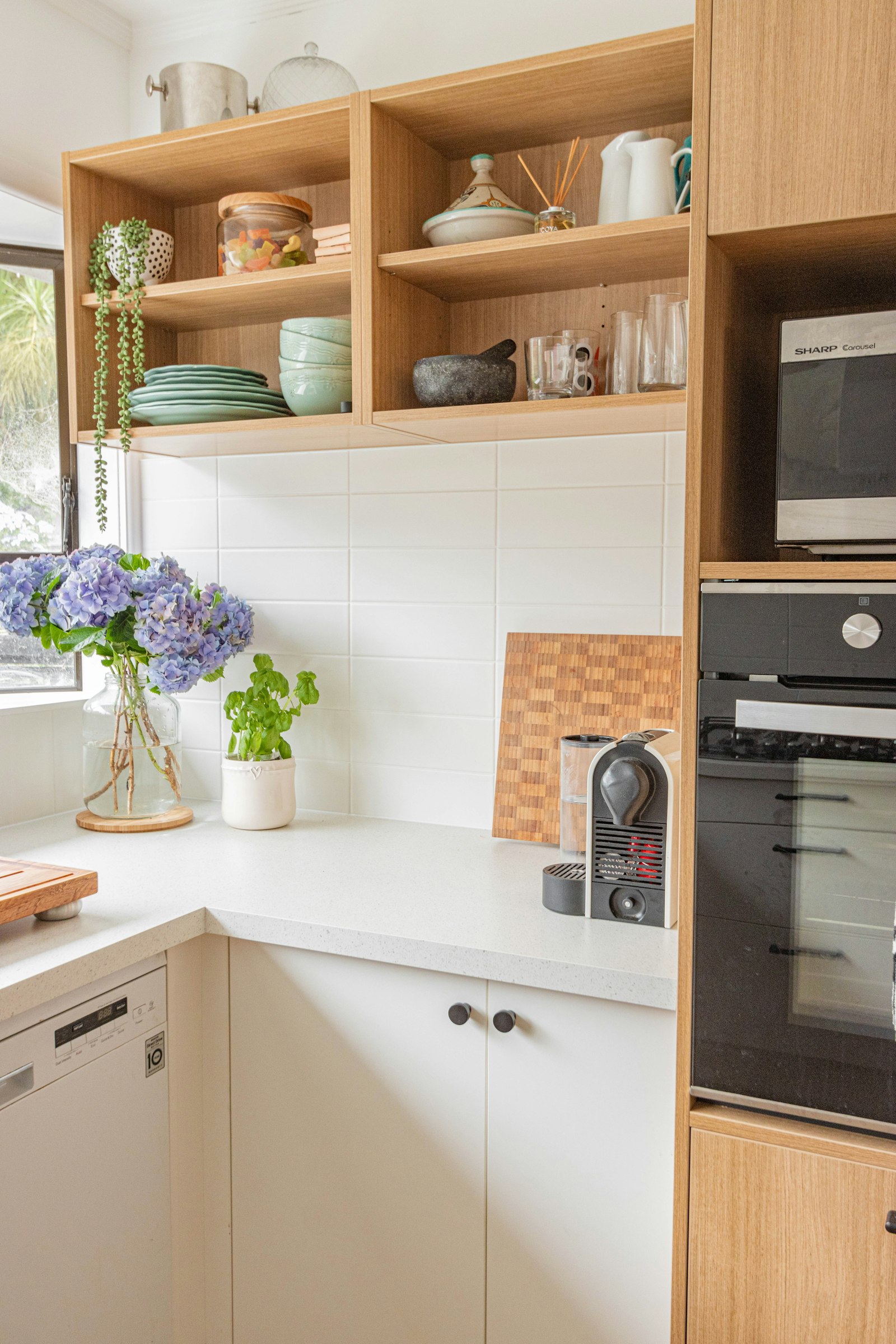
Wall ovens drop into a cabinet cutout and, for electric models, need a dedicated circuit. Confirm dimensions and electrical needs early. Pair with a rangetop or cooktop to complete a modular kitchen – see our range vs rangetop guide.
Decide and plan
Pick a single oven for simplicity and a double for capacity. Confirm specs and cutouts on the manufacturer’s site at dcsappliances.com, browse our model pages, and for install or service, schedule a technician.
When a double oven pays off
If you regularly cook a main and a side at different temperatures, or host gatherings where oven space runs out, a double oven removes the bottleneck. For a household that bakes one thing at a time, the second cavity mostly sits unused – and a single oven plus good planning covers it.
Cutout is the constraint
- Double ovens need a taller cabinet opening.
- Retrofitting a double into a single cutout means cabinetry work.
- Measure the existing opening before you fall for a double.
Convection on both
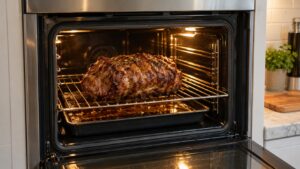
Whichever you choose, DCS convection gives even, faster baking and roasting. The cooking experience per cavity is the same; the decision is purely about how many cavities you need. Once installed, keep results consistent with our calibration guide.
Dcs Wall Oven Buying: Key Takeaways
To recap on dcs wall oven buying: work through the simple checks first, keep the appliance clean and correctly set up, and address small symptoms before they grow. The guidance above on dcs wall oven buying reflects how our certified technicians approach the same issues in the field, and following it keeps your DCS appliance performing the way it was built to.
- Start with the easiest, lowest-cost checks and confirm the basics before replacing parts.
- Use only genuine DCS-specified parts so performance and safety are not compromised.
- Keep up a regular maintenance routine, which prevents most problems and protects long-term value.
- Know when a job needs a professional, especially anything involving gas, sealed-system refrigeration, or mains wiring.
If the steps here do not resolve your situation, the next move is a proper diagnosis rather than guesswork. Our team covers DCS cooking and outdoor appliances across all 50 states and 120+ metro areas, and the booking form accepts requests 24/7. You can schedule a service appointment at any time, review full specifications on the manufacturer’s site at dcsappliances.com, or browse comparable units on our model pages. Acting early on dcs wall oven buying almost always means a smaller, simpler, and less expensive repair down the line.
When to call a DCS technician
It is worth being clear about the line between sensible owner maintenance and work that belongs with a professional. Routine cleaning, simple resets, and basic setup are well within reach for most owners and are exactly where this guide focuses. Anything involving a gas connection, a sealed refrigeration system, internal wiring, or a part that must be calibrated or pressure-tested is different: those repairs carry real safety and warranty implications and should be handled by a certified technician with the correct tools and genuine DCS parts. A DCS appliance is a long-term investment built from 304 stainless to last for decades, so it is almost always worth maintaining and repairing properly rather than letting a small problem compound. When in doubt, a quick diagnostic visit removes the guesswork, protects the appliance, and gives you a clear, written quote before any work begins so there are never surprises.