DCS gas oven temperature control is a loop: a sensor reads the oven air, the control compares it with the temperature you set, and the gas valve opens or closes to keep the cavity near that number. The oven does not hold a flame all the time. It cycles the burner on and off, which is why you may hear a click and a whoosh when the oven re-lights during baking. Understanding the loop explains slow preheats, weak broiling and ovens that run hot or cold.
How does a DCS gas oven know how hot it is?
A temperature sensor, a thin probe that sits inside the oven cavity, reports the air temperature to the control as an electrical signal. The control reads that signal many times a minute and compares it with the temperature you chose. If the oven is below the set point, the control tells the gas valve to open. If it is at or above, the control closes the valve and waits. That constant adjustment is what keeps the average temperature steady even though the burner is not lit all the time.
Because everything depends on the sensor reading, a sensor that drifts will make the oven cook hot or cold even though the controls look fine. Our guide to DCS range oven calibration shows how to check for drift with an oven thermometer before you suspect anything else.
What happens when the burner lights?
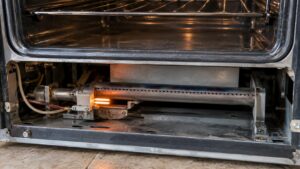
When the control calls for heat, the igniter warms up first. Once it is hot enough, the gas valve opens, gas flows to the bake burner and the igniter lights it. The igniter then stays on or shuts off depending on the design, while the valve keeps the burner supplied until the control cuts it off. The click, the brief wait and the soft whoosh you hear are all part of that sequence, and a short delay before the flame appears is normal.
Safety is built into the sequence. If the igniter does not get hot enough, the valve stays closed, so gas cannot flow without a way to ignite it. That is why a weak igniter produces a long preheat or an oven that never lights, with no smell at all. A gas smell is a different situation and is covered in our guide to DCS gas smell safety steps.
Why is the broil different from the bake?
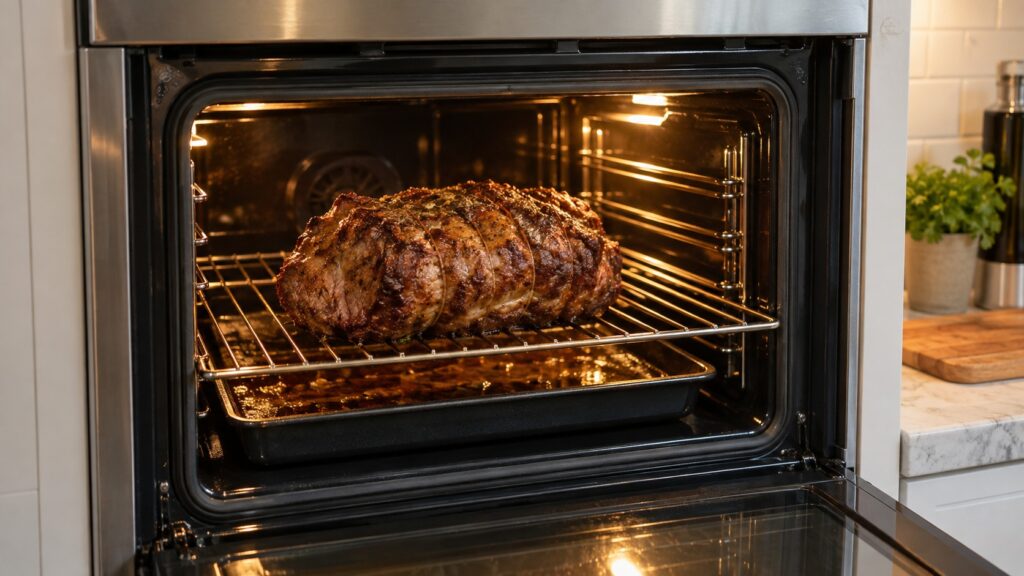
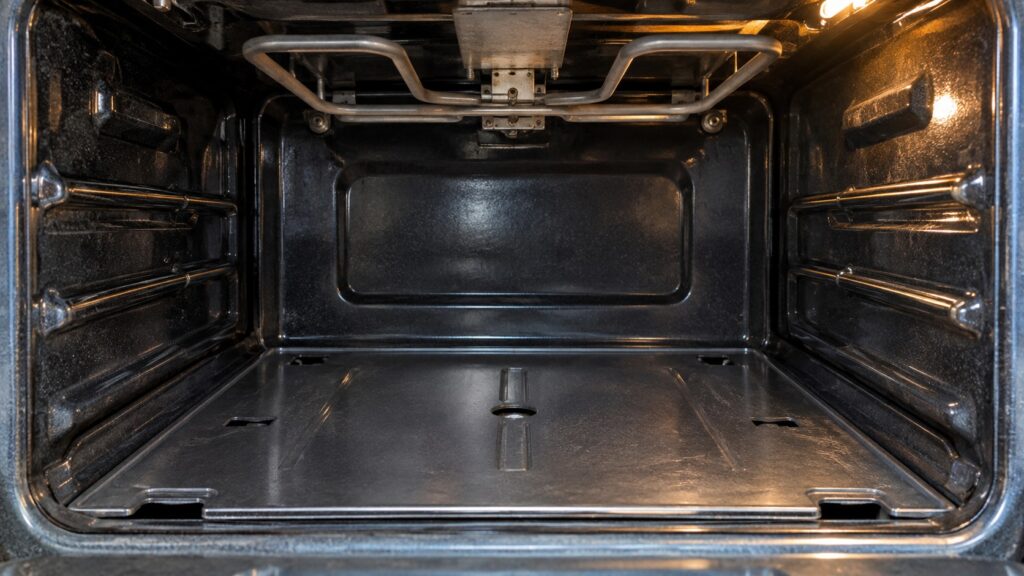
Bake heat comes from the burner in the bottom of the oven and rises through the cavity, warming the air and the food from all around. Broil heat comes from a burner at the top, which heats the food directly and quickly from above, so the oven door and the rack position matter more. During broiling the control usually keeps the top burner on for much longer, because the goal is intense radiant heat rather than a steady air temperature.
That is why a weak broil is its own symptom. If the top burner is partly blocked, the igniter is tired or the gas supply is restricted, broiling suffers while baking may seem fine. The bake burner has a different job and is less sensitive to a weak flame, so the two functions fail at different times. If you have a convection model, the fan also changes how heat spreads, as explained in our guide to how DCS convection ovens work.
What explains a slow preheat or uneven baking?
A slow preheat usually means the burner is not delivering full heat, whether from a weak igniter, a partly blocked burner port or a gas supply issue. An oven that bakes unevenly may have a hot spot from a clogged burner section, a door that does not seal, or a rack set too close to one heat source. A temperature that runs consistently high or low points to the sensor or its calibration.
Start with the easy checks: use an oven thermometer, confirm the racks and pans are not blocking airflow, and look at the door gasket. A door seal that has hardened lets heat escape and forces the burner to work harder, as described in our guide to DCS oven door seal troubleshooting. If those checks pass and the oven still struggles, a technician can test the igniter current and the valve.
When should a technician take over?
Keep a simple note while you watch the oven: the temperature you set, the temperature on a separate thermometer after twenty minutes, and anything unusual such as repeated clicking or a delay before the flame. Those three facts narrow the cause quickly and spare you a second visit.
Anything involving the gas valve, the burner or the igniter belongs with a qualified technician, because those parts handle fuel. The sensor and the control are electronic, but they sit behind panels that carry live power. Owners can safely check the thermometer reading, the rack positions and the door seal, and can note the symptoms, such as how long preheat takes and what the oven does at different temperatures.
The clearer the description, the faster the visit. Our DCS oven repair page explains what we look at on a visit. A repair that replaces one part is usually far cheaper than replacing a range, so a gradual change in oven behavior is worth a diagnosis early.