What Yellow Flame means (dcs grill yellow flame)
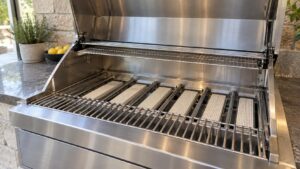
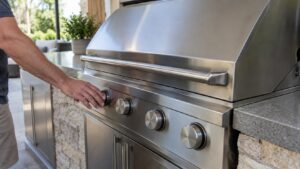
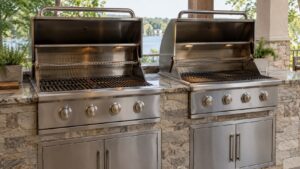
dcs grill yellow flame describes a DCS grill burning with a lazy yellow or orange flame instead of a crisp blue one. DCS outdoor grills are fully mechanical — they light with a spark or flame igniter and have no electronic control board, so they never display a numeric error code. Problems show up as symptoms you observe at the grill rather than as coded problems. A yellow flame signals an incorrect air-to-gas mix — usually a blocked venturi, a misadjusted air shutter, or debris in the burner.
Symptoms to look for
The signs below help confirm you are dealing with this condition rather than a different problem on your DCS Grill. You may see one of them or several together, and they can build up gradually or appear suddenly after a spill, a power event, or recent service.
- Flames are yellow, orange, or sooty rather than blue
- Soot or black marks on cookware and grates
- A gas or incomplete-combustion smell
- Flickering, lifting, or noisy flames
Common causes
Several different problems can produce these symptoms. Working through the most likely causes in order helps separate a quick, owner-level fix from a problem that needs trained service and the correct DCS parts.
- Blocked venturi — spiders or debris obstruct the air intake
- Misadjusted air shutter — too little primary air
- Clogged ports — grease restricts even gas flow
- Wrong orifice/fuel — an LP/NG mismatch enriches the mix
Troubleshooting steps you can try
Work through these checks in order with the appliance cool and powered down before touching any internal part. Stop wherever you are unsure, or where gas, high heat, or live electrical parts are involved, and hand the rest to a qualified technician.
- Turn the grill off and let it cool, then inspect the venturi tubes for spider webs or debris.
- Clear the burner ports with a brush.
- Check that the air shutter is set per the owner guide.
- If the flame stays yellow after cleaning, have the air/gas mix and orifices checked — incomplete combustion is a safety concern.
Parts a technician may replace
Depending on what the diagnosis shows, a technician may inspect, test, or replace the air shutter, burner venturi, orifices, and burner ports. The correct part for your DCS Grill is matched from the model and serial number, and genuine DCS components are fitted rather than generic substitutes so that performance, safety, and the appliance’s long working life are all protected. Confirming the failed part before ordering avoids replacing more than the problem actually requires.
When to call a technician
A yellow flame that persists after cleaning needs a technician to set the air shutter and confirm correct orifices for your fuel. When the fix calls for trained service, book a visit through our scheduling page and our certified technicians will diagnose and repair it. For factory documentation and model lookup, see the manufacturer at dcsappliances.com.
Prevention and care
Regular care keeps this condition from returning on your DCS Grill. Clean spills and grease before they bake on, keep ports, filters, and vents clear, and follow the DCS maintenance schedule for your model. Because the controls here are mechanical rather than electronic, the most reliable prevention is consistent cleaning and an occasional professional service that catches wear before it becomes a breakdown. Note when a symptom first appeared and what you were cooking at the time, because that detail often points a technician straight to the cause and keeps the repair simple.
Related help and DCS resources
Browse other DCS Grill diagnostics, read about professional DCS Grill repair, look up your unit on the DCS models reference, or schedule a service visit.