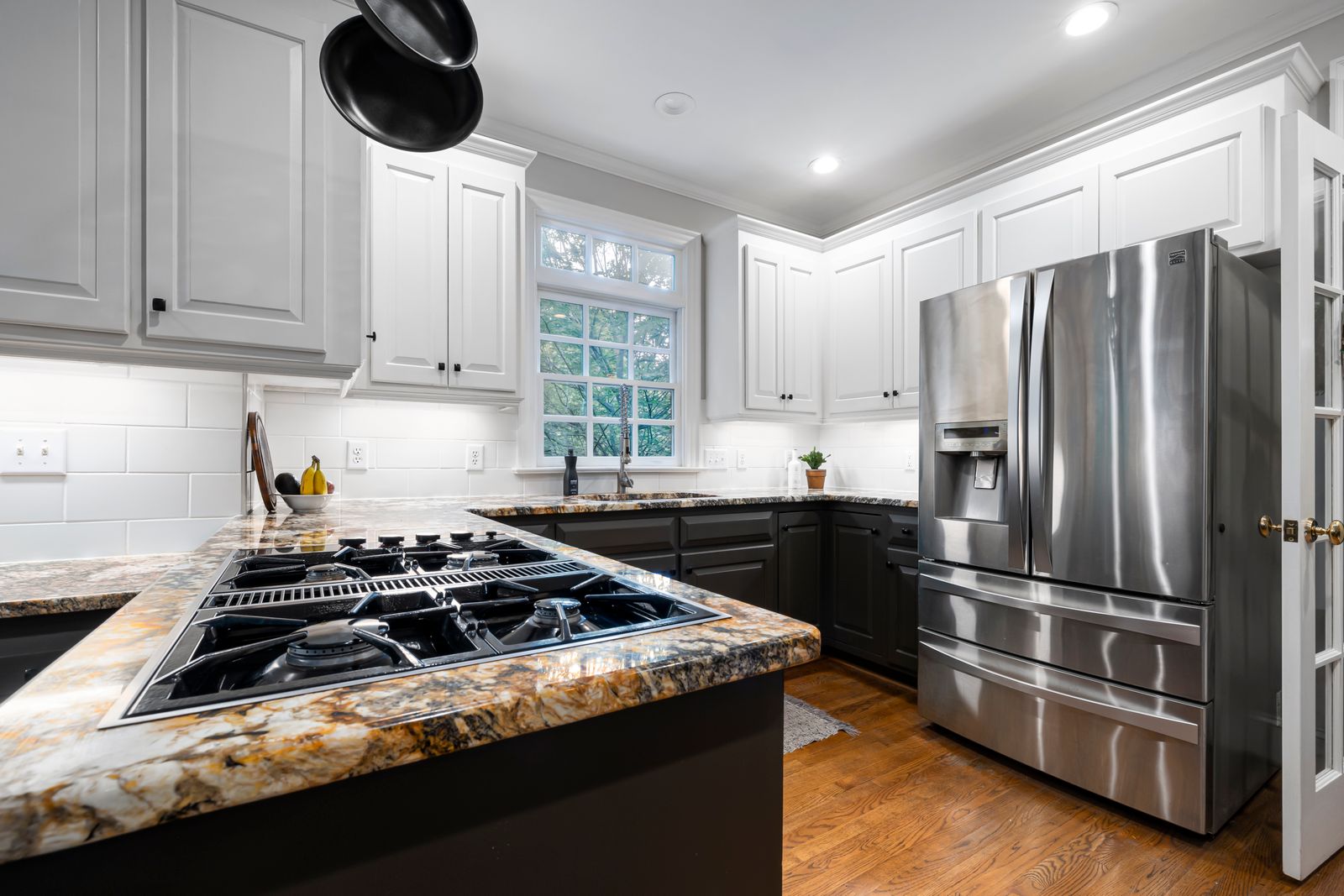
The DCS rangetops lineup
DCS rangetops are pro-style gas cooking decks that drop into custom cabinetry over a separate wall oven, built by DCS (Dynamic Cooking Systems), a Fisher & Paykel company, from 304-grade stainless steel. They come in 30, 36, and 48-inch widths and carry the CPV and VRT prefixes — for example CPV2-304 and CPV2-486GD. The wider decks add optional griddle and grill modules between the burner banks. A rangetop is essentially the cooking surface of a pro range without the built-in oven, giving kitchen designers freedom to place ovens separately. Review current options on the manufacturer’s site at dcsappliances.com and browse serviceable units in our model directory.
Sealed burners and module options
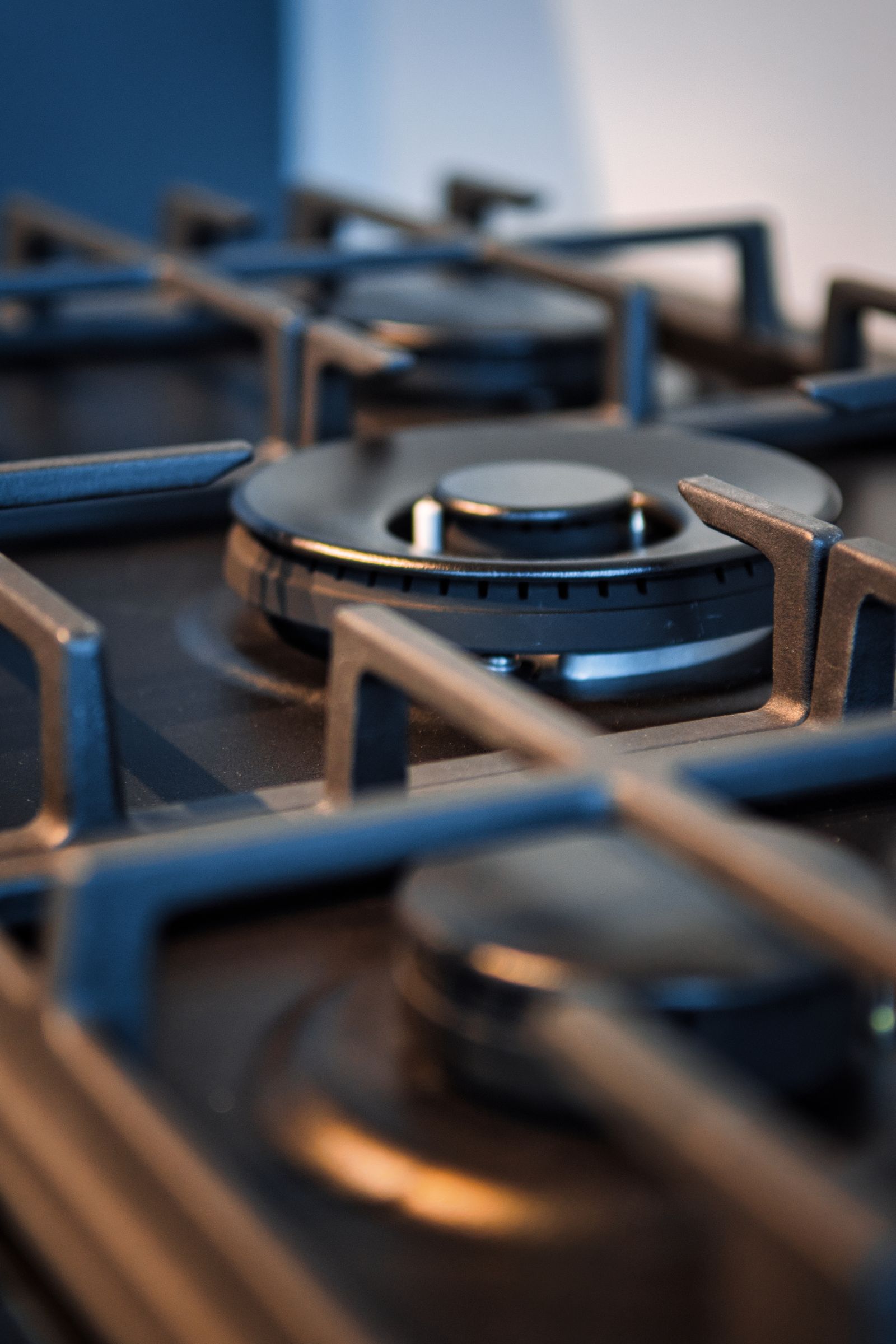
The cooking deck uses the same sealed dual-flow burners found on DCS ranges, delivering a wide simmer-to-sear flame range while keeping spills out of the burner box for easier cleaning. On the 36 and 48-inch CPV models you can specify an integrated griddle for pancakes and flat-top searing, or a grill module for direct-flame cooking. Because each deck is configured by size and module layout, accurate diagnosis starts with confirming exactly which burners and modules a given rangetop carries — a griddle element, a grill burner, and a standard sealed burner each fail and are serviced differently.
Why a rangetop instead of a range
The appeal of a CPV or VRT rangetop is design flexibility. By separating the cooking surface from the oven, a kitchen can place a wall oven at a comfortable height and reserve the under-counter space for drawers or a second oven. The trade-off is that the rangetop relies on a matching DCS wall oven for baking, and the two are serviced as separate appliances. For oven issues, see our oven repair service; for the cooking deck itself, the symptoms below apply.
Common DCS rangetop problems
DCS rangetops use mechanical controls, so they report trouble as symptoms rather than digital error codes. The issues we see most often:
- Burner won’t ignite — clogged ports or a fouled igniter electrode.
- Continuous clicking — trapped moisture or food debris around the igniters.
- Weak or uneven flame — a clogged orifice or air-shutter misadjustment.
- Yellow flame — combustion/air-mix problem, often after an LP/NG conversion.
- Griddle or grill module not heating evenly — burner or thermostat failure.
- Stiff knob or valve — dried grease or a worn valve stem.
These are symptom diagnostics, not coded problems — our rangetop symptom guides walk through each one.
Maintenance essentials
- Clear sealed-burner ports with a pin after spills for even flames.
- Clean the griddle plate while warm and re-season cast surfaces as needed.
- Wipe 304-stainless with the grain using a non-abrasive cleaner.
- Keep burner caps seated correctly after cleaning to avoid misfires.
- Empty and clean grill drip trays regularly.
Why DCS rangetops are worth repairing
Because CPV and VRT rangetops are built from heavy 304-stainless with individually serviceable burners and modules, they reward repair over replacement. A failed igniter, valve, or griddle element is a discrete part that a technician can swap without disturbing the rest of the deck or the surrounding cabinetry the rangetop was dropped into. That matters most on the 48-inch CPV models, where a full replacement would mean re-cutting and refitting custom cabinetry. Confirming the exact CPV or VRT model and serial lets us source the correct genuine burner, orifice, or module part rather than a generic equivalent — the difference between a clean flame and a recurring problem.
When to call a professional
Gas valves, igniter modules, and griddle/grill elements are best handled by certified technicians familiar with pro rangetop construction. We carry common DCS parts and diagnose by model number. Diagnostic visits start from $129; final cost depends on parts and configuration. Schedule DCS rangetop repair or book online.