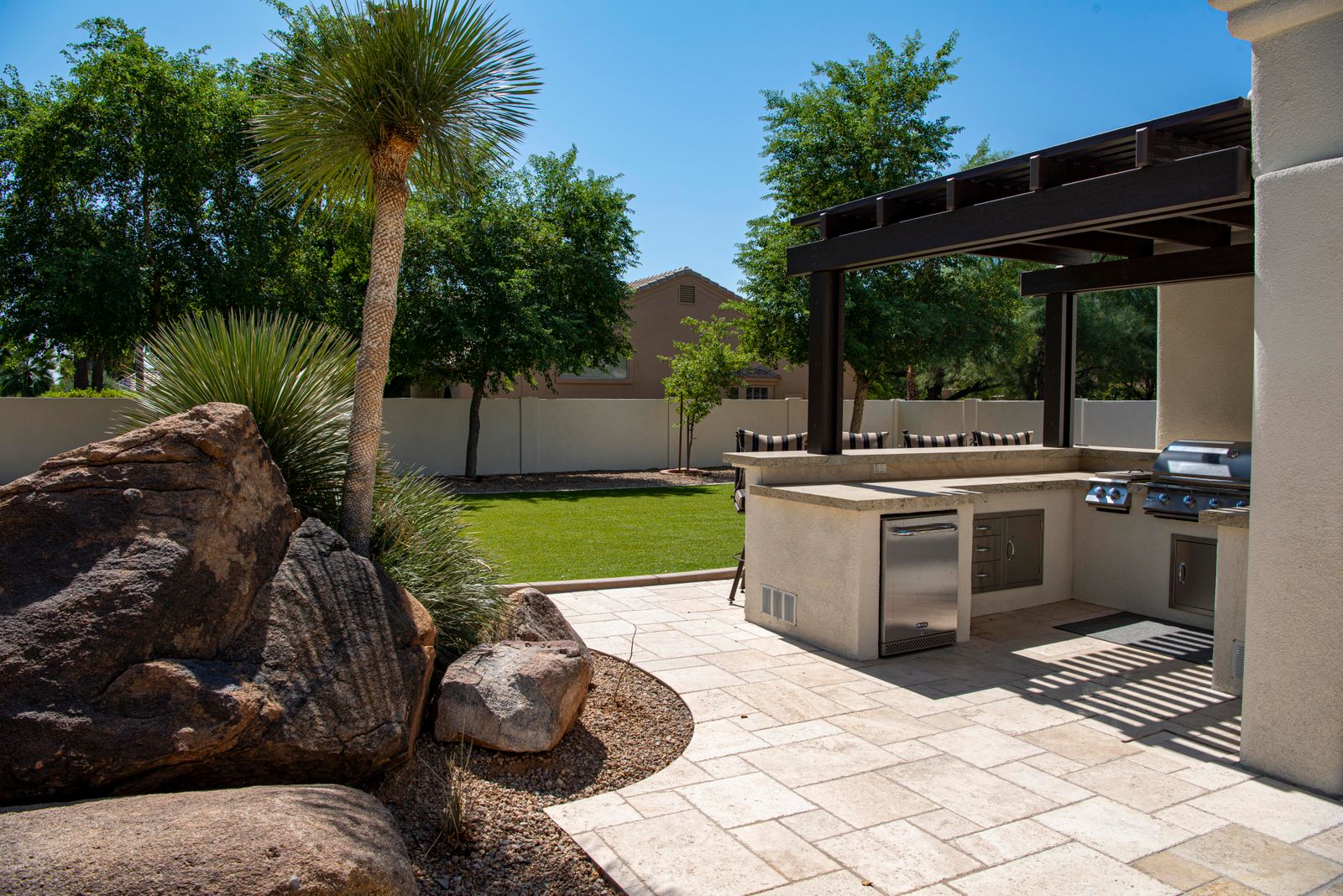
The DCS grills lineup
DCS grills are the flagship outdoor gas grills from DCS (Dynamic Cooking Systems), a Fisher & Paykel company, handcrafted from 304-grade stainless steel in two families: Series 7 and Series 9. Both come built-in for an outdoor kitchen island or freestanding on a cart, in 30, 36, and 48-inch sizes. Model prefixes include BGB, BGC, BFG, BH1, and BE1 — for example BGB30-BQR, BGC36-BQAR, and BFG48-BQRL — where the fuel suffix N denotes natural gas and L liquid propane. Review the current lineup on the manufacturer’s site at dcsappliances.com and browse serviceable units in our model directory.
U-shaped burners, Grill Tower, and Ceramic Radiant
The heart of every DCS grill is its U-shaped 304-stainless burner, rated near 25,000 BTU each, which spreads heat evenly across the cooking zone. Above the burners sit Ceramic Radiant Glow rods that radiate intense, even heat and vaporize drippings for flavor, while the Grill Tower design stages heat from the burner up through the radiants to the grates. The cooking surface runs from a gentle 300°F up to a searing 1100°F. An integrated rotisserie with a rear infrared burner handles roasting, and the Grease Management System channels drippings safely away. Optional smoker and charcoal trays expand the cooking repertoire.
Series 7 versus Series 9
Both series share the U-shaped burners and Grill Tower architecture, but Series 9 sits at the top of the lineup with additional refinements in materials, lighting, and control feel, while Series 7 delivers the same core performance at a more accessible level. Both are built for the same accessories — rotisserie, smoker tray, charcoal tray — and both are serviced with the same techniques. Confirming your exact model and fuel type (natural gas or propane) is the first diagnostic step, since burner orifices differ between LP and NG.
Common DCS grill problems
DCS grills are mechanical — they have no digital error codes, so every problem shows up as a symptom you can observe. The issues we see most often:
- Burner won’t ignite — a wet or fouled igniter electrode, a dead battery, or clogged burner ports.
- Low heat on sear — a regulator in bypass mode (often after a quick tank valve open) or clogged orifices.
- Yellow flame — spiders or debris in the venturi, or an air-shutter misadjustment.
- Uneven heat — partially blocked burner ports or misaligned ceramic radiants.
- Rotisserie won’t light — a failed rear infrared burner igniter.
- Flare-ups — grease buildup in the tray; clean the Grease Management System.
These are symptom diagnostics, not coded problems — our grill symptom guides walk through each.
Maintenance essentials
- Burn off and brush the grates after each cook, and deep-clean the Grease Management System regularly.
- Clear burner ports and venturi tubes of spiders and debris seasonally.
- Inspect ceramic radiants for cracks and correct alignment.
- Check the LP regulator and hose for damage; reset bypass by opening the tank valve slowly.
- Cover the grill and wipe 304-stainless with the grain to slow surface staining.
Built-in versus freestanding, and lifespan
Built-in DCS grills (BGB, BH1, BE1 prefixes) drop into a masonry or stainless outdoor-kitchen island, while freestanding models (BGC and cart versions) roll on a stainless cart with side shelves. Both share the same burners, Grill Tower, and rotisserie, so they perform identically; the choice is about the outdoor space. Either way, a DCS grill is engineered to be rebuilt rather than thrown out — burners, igniters, ceramic radiants, valves, and the rotisserie burner are all individually replaceable parts. A grill that has lost heat or stopped igniting after several seasons rarely needs replacing; it needs the worn components renewed. Confirming the model and fuel type ensures the correct orifices and genuine parts are fitted.
When to call a professional
Gas regulators, valves, igniters, and the rear infrared rotisserie burner are best serviced by certified technicians. We carry common DCS grill parts matched to your model and fuel type. Diagnostic visits start from $129; final cost depends on parts and configuration. Schedule DCS grill repair or book online.