The dcs oven self-clean cycle uses high heat to reduce baked-on residue to ash you simply wipe away. Used correctly it saves scrubbing; used carelessly it can stress components. This guide explains how to run it safely.
Before you start
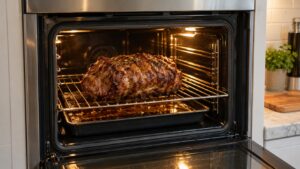
- Remove the oven racks (unless your model rates them for self-clean) and any foil or stones.
- Scrape out loose food and large spills – they can flame or smoke heavily.
- Open a window and run the range hood; the cycle produces heat and odor.
Running the cycle
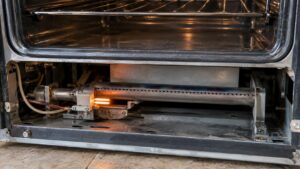
Start the self-clean cycle per your model and let it run fully. The door locks automatically for safety and stays locked until the oven cools. Never try to force the door during or right after the cycle.
After the cycle
- Wait for the oven to cool and the lock to release.
- Wipe the powdery ash with a damp cloth.
- Clean the door glass and frame separately with a non-abrasive cleaner.
Cautions
Self-clean stresses the oven with extreme heat, so do not run it immediately before hosting a meal in case a component needs attention afterward. If the door stays locked long after cooling, see our oven diagnostics for the stuck-lock symptom. Check your model guidance on the manufacturer’s site at dcsappliances.com.
If something goes wrong
A door that will not unlock, or an oven that will not heat after self-clean, may need service – the high heat can occasionally affect the thermal fuse or lock motor. Our oven repair team can help; schedule a visit.
Self-clean alternatives
For light soil, a manual clean with a non-abrasive cleaner avoids the high-heat stress entirely. Reserve self-clean for heavy buildup, and clean spills promptly so they never reach that point. Frequent light cleaning is gentler on the oven over its life.
Why the door locks
The cavity reaches cleaning temperatures far above cooking heat, so the lock prevents accidental opening. The lock will not release until the oven cools to a safe temperature – this is normal and can take a while. Patience here prevents burns and lock damage.
Protecting your oven
- Do not line the oven with foil, which can trap heat and damage the finish.
- Confirm whether your racks are self-clean safe before leaving them in.
- Ventilate well to clear odor and protect anyone sensitive to fumes.
Run sparingly and your DCS oven will clean itself for years. For ongoing accuracy, pair this with our oven calibration guide.
Dcs Oven Self-clean: Key Takeaways
To recap on dcs oven self-clean: work through the simple checks first, keep the appliance clean and correctly set up, and address small symptoms before they grow. The guidance above on dcs oven self-clean reflects how our certified technicians approach the same issues in the field, and following it keeps your DCS appliance performing the way it was built to.
- Start with the easiest, lowest-cost checks and confirm the basics before replacing parts.
- Use only genuine DCS-specified parts so performance and safety are not compromised.
- Keep up a regular maintenance routine, which prevents most problems and protects long-term value.
- Know when a job needs a professional, especially anything involving gas, sealed-system refrigeration, or mains wiring.
If the steps here do not resolve your situation, the next move is a proper diagnosis rather than guesswork. Our team covers DCS cooking and outdoor appliances across all 50 states and 120+ metro areas, and the booking form accepts requests 24/7. You can schedule a service appointment at any time, review full specifications on the manufacturer’s site at dcsappliances.com, or browse comparable units on our model pages. Acting early on dcs oven self-clean almost always means a smaller, simpler, and less expensive repair down the line.
When to call a DCS technician
It is worth being clear about the line between sensible owner maintenance and work that belongs with a professional. Routine cleaning, simple resets, and basic setup are well within reach for most owners and are exactly where this guide focuses. Anything involving a gas connection, a sealed refrigeration system, internal wiring, or a part that must be calibrated or pressure-tested is different: those repairs carry real safety and warranty implications and should be handled by a certified technician with the correct tools and genuine DCS parts. A DCS appliance is a long-term investment built from 304 stainless to last for decades, so it is almost always worth maintaining and repairing properly rather than letting a small problem compound. When in doubt, a quick diagnostic visit removes the guesswork, protects the appliance, and gives you a clear, written quote before any work begins so there are never surprises.