The DCS range hoods lineup
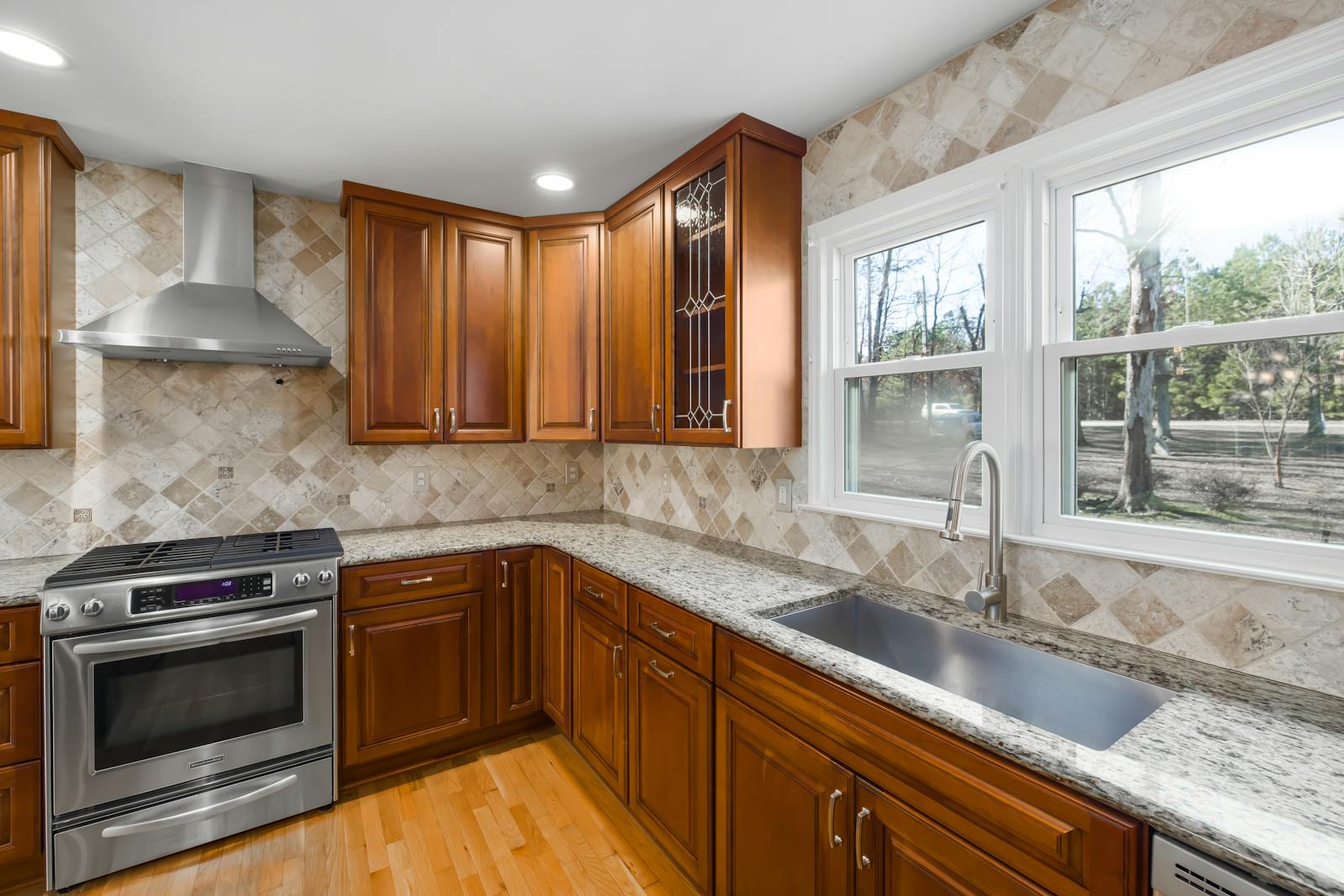
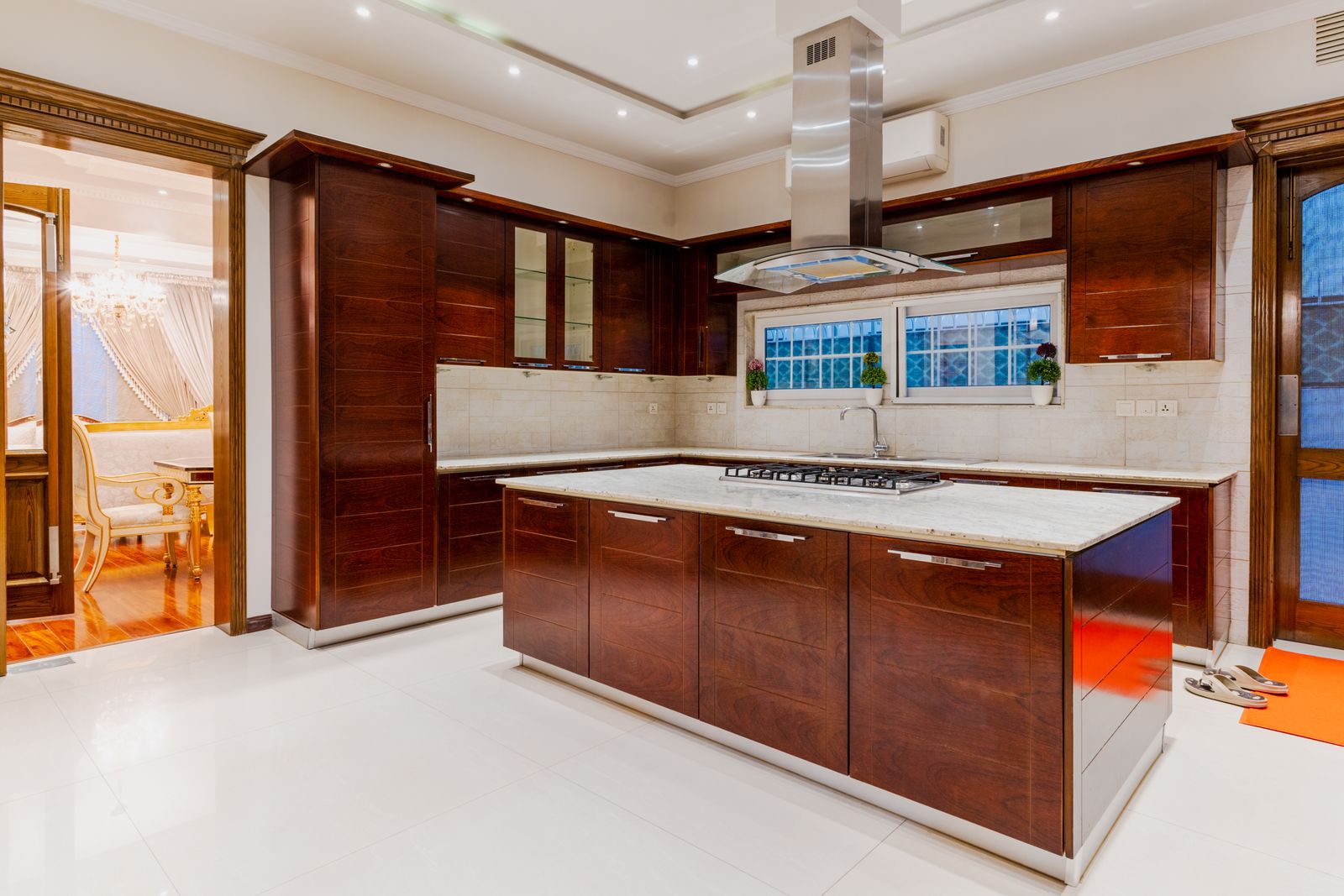
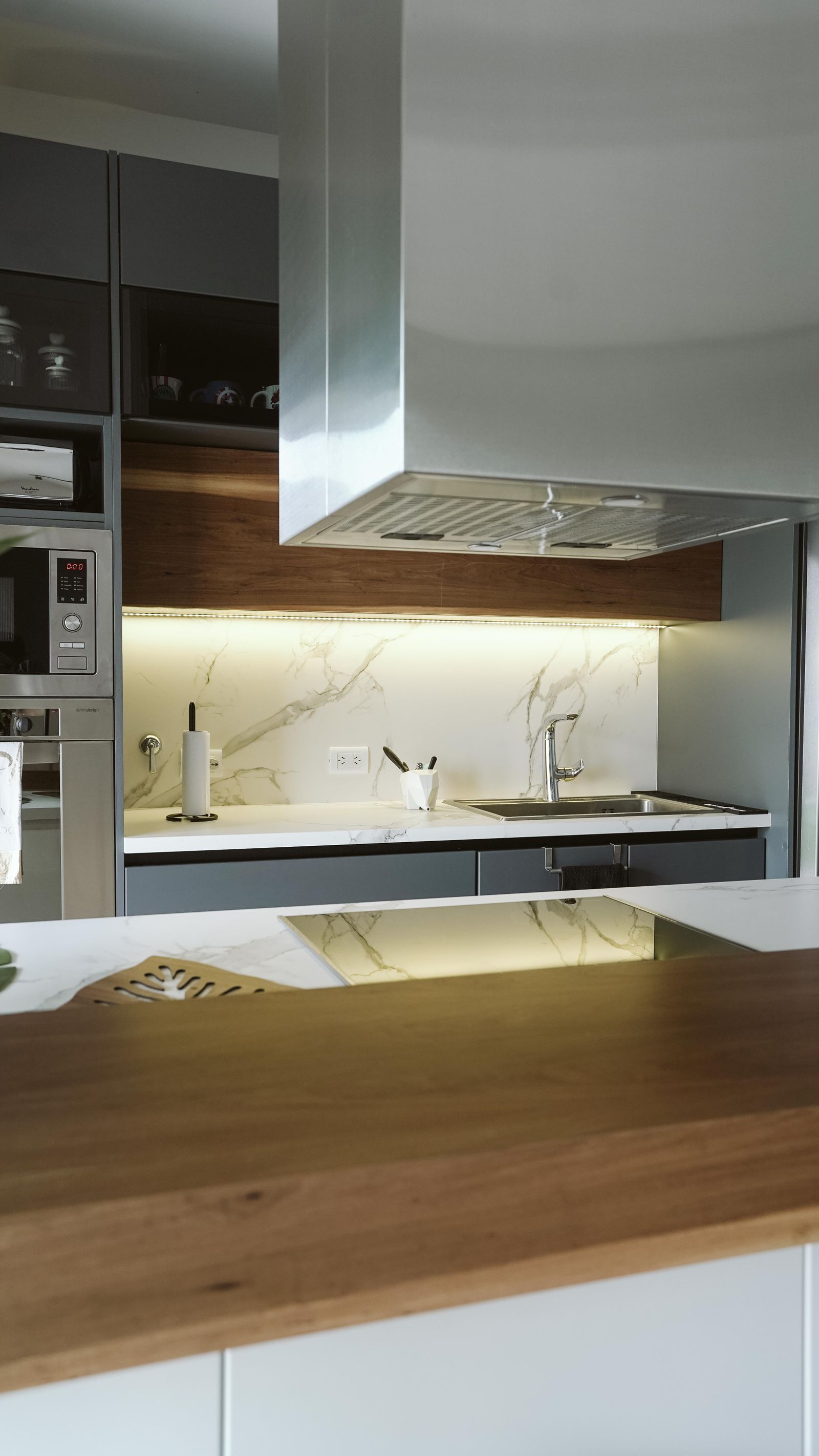
DCS range hoods are indoor and outdoor ventilation units made by DCS (Dynamic Cooking Systems), a Fisher & Paykel company, from 304-grade stainless steel to match the brand’s cooking appliances. They come as wall-mount canopies, island hoods, and insert/liner units that hide inside custom cabinetry, carrying the VS, VSH, and VWH prefixes. Each hood uses a multi-speed blower, halogen or LED task lighting, and dishwasher-safe baffle filters that capture grease while letting air flow freely. Outdoor-rated versions are built to vent high-output DCS grills in covered patios. Review current options on the manufacturer’s site at dcsappliances.com and browse serviceable units in our model directory.
Blower, filters, and lighting
The multi-speed blower lets you match extraction to the cooking task, from a low simmer to a hard sear, and the baffle filters channel grease into a collection tray instead of clogging a mesh screen. Halogen or LED lamps illuminate the cooking surface below. Because hoods are sized to the cooking appliance beneath them, a wide rangetop or a grill demands more airflow and a larger duct than a compact cooktop — matching the hood’s capacity to the heat source is what keeps the kitchen clear of smoke and grease.
Sizing and ducted ventilation
For a hood to do its job, the blower’s airflow and the duct must match the cooking surface. A high-BTU DCS rangetop or grill produces far more heat, grease, and steam than a small cooktop, so the duct diameter should be sized accordingly and the run kept short and straight with minimal elbows. Ducted operation to the exterior removes smoke and odors far more effectively than any recirculating filter. Keeping the duct clear preserves the blower’s rated airflow and keeps the motor quiet.
Common DCS range hood problems
DCS range hoods are mechanical — they report trouble as symptoms, not digital error codes. The issues we see most often:
- Blower won’t start — a failed capacitor, motor, or speed switch.
- Weak suction — clogged baffle filters or an obstructed duct run.
- Noisy blower — worn motor bearings or loose components.
- Stuck on one speed — a faulty multi-speed switch.
- Light out — a failed halogen or LED lamp or socket.
- Grease leaking — saturated filters that need cleaning or replacement.
These are symptom diagnostics, not coded faults — see our range hood symptom guides.
Maintenance essentials
- Wash baffle filters every two to four weeks — most are dishwasher-safe.
- Replace failed lamps with the correct halogen or LED bulbs.
- Wipe 304-stainless surfaces with the grain using a non-abrasive cloth.
- Check that any backdraft damper opens and closes freely.
- Inspect the duct run annually for grease buildup and looseness.
Wall, island, and insert styles
The three mounting styles suit different layouts. Wall-mount VS canopies anchor against a back wall above a range or rangetop; island hoods hang from the ceiling over a freestanding cooking island and pull air from all sides; and VWH insert/liner units hide the blower and filters inside a custom hood enclosure built by a cabinetmaker. All three share the same blower technology, baffle filters, and lamp options, so they are serviced with the same parts and techniques — the difference is access. Because DCS range hoods are built from serviceable components, a failed blower motor, capacitor, speed switch, or lamp is a replaceable part rather than a reason to scrap the hood. Confirming the VS, VSH, or VWH model lets us source the correct motor or switch the first time.
When to call a professional
Hood repairs involve electrical connections and a blower mounted above a hot cooking surface, so they are best handled by certified technicians. We carry common DCS capacitors, motors, switches, and lamps. Diagnostic visits start from $129; final cost depends on parts and configuration. Schedule DCS range hood repair or book online.