
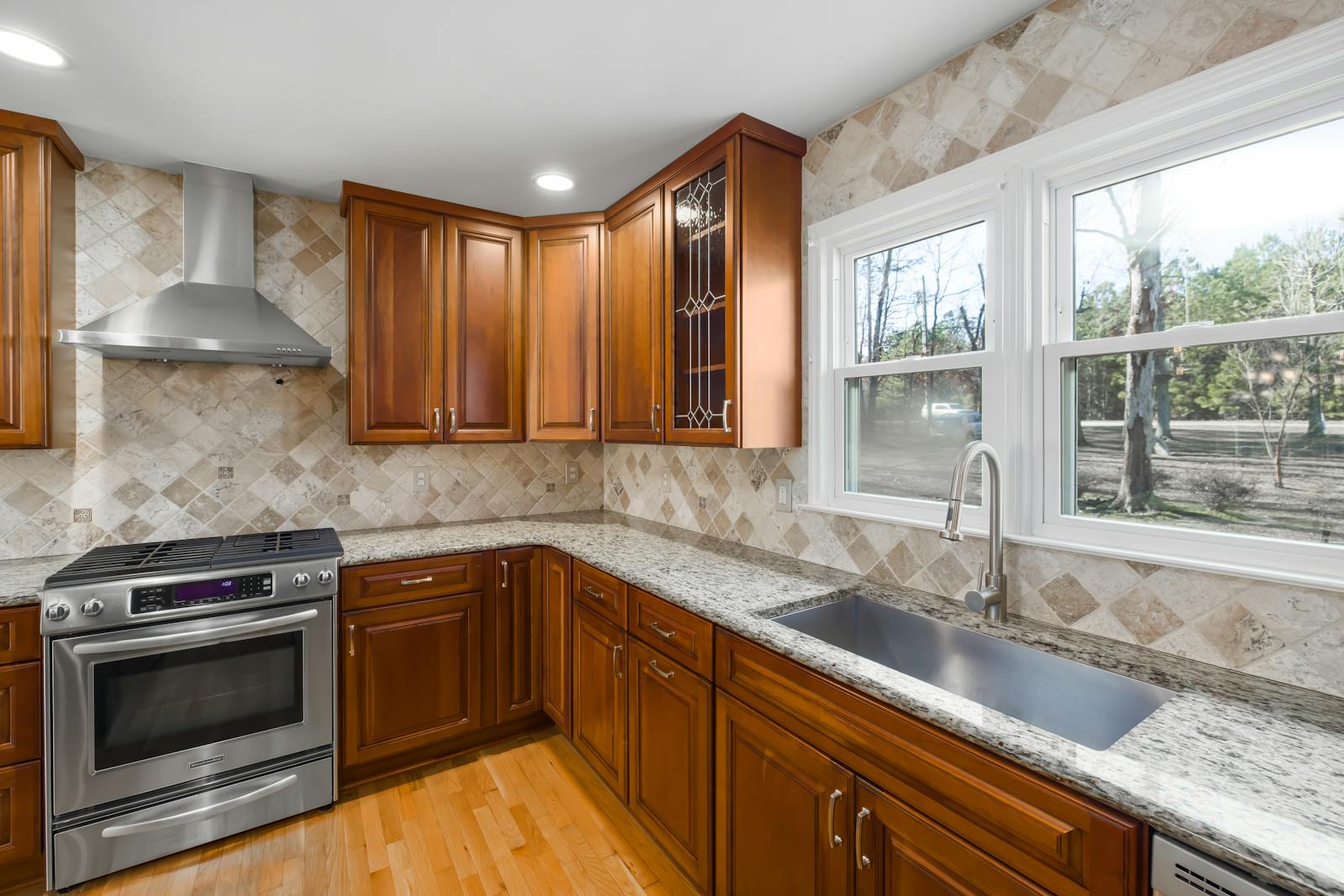
Understanding how a dcs range hood works helps you use and maintain it for a cleaner kitchen. A hood does more than move air – it captures grease, smoke, steam, and combustion byproducts. This guide explains the system.
Capture
The canopy sits above the cooktop to catch the rising plume of smoke and steam. A wider, deeper hood captures more, which is why sizing matters – see our CFM sizing guide.
The blower
A multi-speed blower creates the airflow that pulls the plume into the hood. Higher speeds handle heavy searing and frying; lower speeds suit gentle cooking and run quieter.
Grease separation
- Stainless baffle filters force the air to change direction, flinging grease droplets onto the baffles.
- The grease drains down while cleaner air passes through.
- Clean filters keep this efficient – see our filter cleaning guide.
Venting
Ducted hoods carry the filtered air outside through rigid ducting – the most effective option. Recirculating hoods instead pass air through a charcoal filter to reduce odor and return it to the room; these need periodic charcoal filter replacement.
Why it matters
A correctly working hood removes grease, moisture, and combustion byproducts that would otherwise coat the kitchen and linger in the air. For ratings and configurations, see the manufacturer’s site at dcsappliances.com. If the blower weakens or stops, see our blower troubleshooting guide or contact our range hood repair team.
Ducted vs recirculating
Ducted hoods remove grease, moisture, and odor from the home entirely, which is why they are preferred where an exterior vent is possible. Recirculating hoods are a fallback when ducting cannot be run; they handle grease and some odor but return heat and moisture to the room. Know which you have so you maintain the right filters.
The lights and controls
- Halogen or LED lights illuminate the cooktop for safer cooking.
- Multi-speed controls let you match airflow to the cooking task.
- Some hoods include a delay-off to clear residual air after cooking.
Getting the most from it
Turn the hood on before you start cooking and leave it running a few minutes after, so it captures the full plume. Run a higher speed for searing and frying. Keep the baffle filters clean and the ducting clear, and the hood will keep your kitchen air and surfaces clean for years.
Dcs Range Hood Works: Key Takeaways
To recap on dcs range hood works: work through the simple checks first, keep the appliance clean and correctly set up, and address small symptoms before they grow. The guidance above on dcs range hood works reflects how our certified technicians approach the same issues in the field, and following it keeps your DCS appliance performing the way it was built to.
- Start with the easiest, lowest-cost checks and confirm the basics before replacing parts.
- Use only genuine DCS-specified parts so performance and safety are not compromised.
- Keep up a regular maintenance routine, which prevents most problems and protects long-term value.
- Know when a job needs a professional, especially anything involving gas, sealed-system refrigeration, or mains wiring.
If the steps here do not resolve your situation, the next move is a proper diagnosis rather than guesswork. Our team covers DCS cooking and outdoor appliances across all 50 states and 120+ metro areas, and the booking form accepts requests 24/7. You can schedule a service appointment at any time, review full specifications on the manufacturer’s site at dcsappliances.com, or browse comparable units on our model pages. Acting early on dcs range hood works almost always means a smaller, simpler, and less expensive repair down the line.
When to call a DCS technician
It is worth being clear about the line between sensible owner maintenance and work that belongs with a professional. Routine cleaning, simple resets, and basic setup are well within reach for most owners and are exactly where this guide focuses. Anything involving a gas connection, a sealed refrigeration system, internal wiring, or a part that must be calibrated or pressure-tested is different: those repairs carry real safety and warranty implications and should be handled by a certified technician with the correct tools and genuine DCS parts. A DCS appliance is a long-term investment built from 304 stainless to last for decades, so it is almost always worth maintaining and repairing properly rather than letting a small problem compound. When in doubt, a quick diagnostic visit removes the guesswork, protects the appliance, and gives you a clear, written quote before any work begins so there are never surprises.