Correct range hood cfm sizing ensures your DCS hood actually clears the heat, smoke, and grease a pro range produces. An under-sized or poorly ducted hood leaves residue in the kitchen no matter how good the range is. This guide explains how to size it.
Start with the cooktop output
The more powerful your burners, the more airflow you need. High-BTU pro burners and grill or griddle modules demand more CFM than a modest cooktop. As a rule, scale the hood’s airflow to the total cooking output and how aggressively you cook.
Match the width
- The hood should be at least as wide as the range or cooktop, and ideally wider for capture at the edges.
- A wall hood usually needs less width margin than an island hood, which loses capture on all sides.
Account for the duct run
Rated CFM assumes a short, straight duct. Every elbow and foot of run reduces real airflow, so a long or twisty path needs a higher-rated blower to deliver the same effective CFM. Use smooth rigid duct and minimize bends.
Do not forget make-up air
Powerful hoods can pull more air than a tight house can replace, which hurts performance and can backdraft other appliances. High-CFM installations may require a make-up air system – confirm local code. Pair sizing with our range installation guide.
Get it right
Match width and CFM to your range, plan the duct, and address make-up air. For model airflow ratings, see the manufacturer’s site at dcsappliances.com, and for sizing or install help, schedule a technician through our range hood team.
Wall vs island vs insert hoods
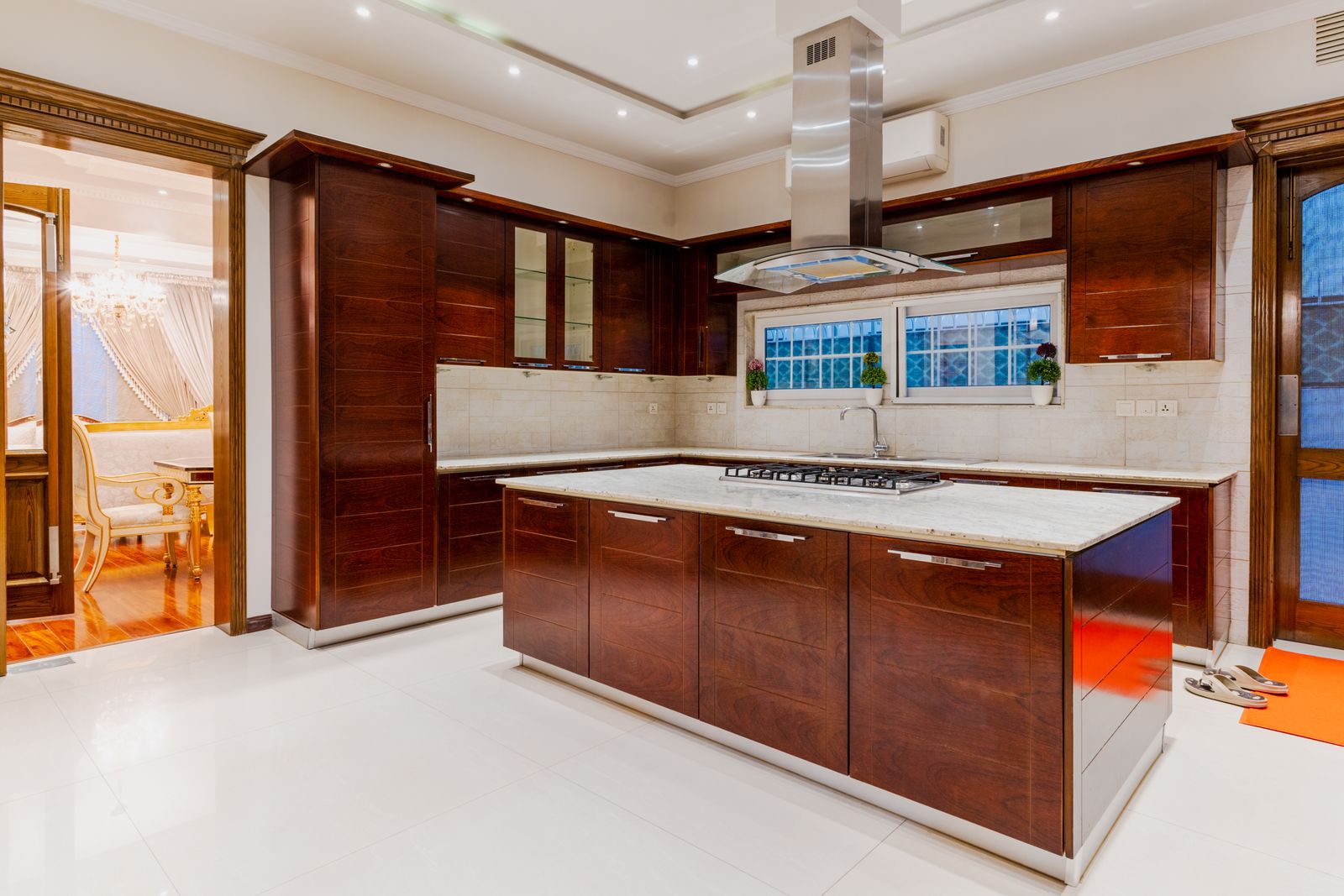
A wall hood backs against a surface that helps direct rising air, so it captures efficiently. An island hood is exposed on all sides and needs more width and CFM to capture the same plume. An insert/liner hides inside custom cabinetry and must still be sized to the cooktop below. Choose the type first, then size accordingly.
Quiet at the speed you use
A hood you find too loud gets turned down or off, which defeats it. Look at the noise rating at the speed you will actually run, not just at maximum. A larger blower run at a moderate speed is often quieter than a small one run flat out.
Common sizing mistakes
- Choosing a hood narrower than the cooktop.
- Ignoring duct losses and over-promising on CFM.
- Skipping make-up air on a high-CFM hood.
Avoid these and your hood will keep the kitchen clear. When in doubt, book a consultation and browse hoods on our model pages.
Range Hood Cfm Sizing: Key Takeaways
To recap on range hood cfm sizing: work through the simple checks first, keep the appliance clean and correctly set up, and address small symptoms before they grow. The guidance above on range hood cfm sizing reflects how our certified technicians approach the same issues in the field, and following it keeps your DCS appliance performing the way it was built to.
- Start with the easiest, lowest-cost checks and confirm the basics before replacing parts.
- Use only genuine DCS-specified parts so performance and safety are not compromised.
- Keep up a regular maintenance routine, which prevents most problems and protects long-term value.
- Know when a job needs a professional, especially anything involving gas, sealed-system refrigeration, or mains wiring.
If the steps here do not resolve your situation, the next move is a proper diagnosis rather than guesswork. Our team covers DCS cooking and outdoor appliances across all 50 states and 120+ metro areas, and the booking form accepts requests 24/7. You can schedule a service appointment at any time, review full specifications on the manufacturer’s site at dcsappliances.com, or browse comparable units on our model pages. Acting early on range hood cfm sizing almost always means a smaller, simpler, and less expensive repair down the line.
When to call a DCS technician
It is worth being clear about the line between sensible owner maintenance and work that belongs with a professional. Routine cleaning, simple resets, and basic setup are well within reach for most owners and are exactly where this guide focuses. Anything involving a gas connection, a sealed refrigeration system, internal wiring, or a part that must be calibrated or pressure-tested is different: those repairs carry real safety and warranty implications and should be handled by a certified technician with the correct tools and genuine DCS parts. A DCS appliance is a long-term investment built from 304 stainless to last for decades, so it is almost always worth maintaining and repairing properly rather than letting a small problem compound. When in doubt, a quick diagnostic visit removes the guesswork, protects the appliance, and gives you a clear, written quote before any work begins so there are never surprises.