
Getting the right dcs induction cookware is essential, because induction only heats pans that are magnetic. The wrong pan simply will not warm up, no matter the setting. This guide explains what works and how to choose.
How to test a pan
Stick a refrigerator magnet to the bottom. If it grips firmly, the pan is ferrous and will work on induction. A weak or no grip means the pan will not heat.
What works
- Cast iron and enameled cast iron – excellent on induction.
- Magnetic stainless steel (most quality stainless cookware).
- Carbon steel and many induction-rated nonstick pans.
What does not work (without a magnetic base)
- Pure aluminum and copper.
- Glass and ceramic cookware.
- Warped or heavily domed pans that do not sit flat on the glass.
Tips for best results
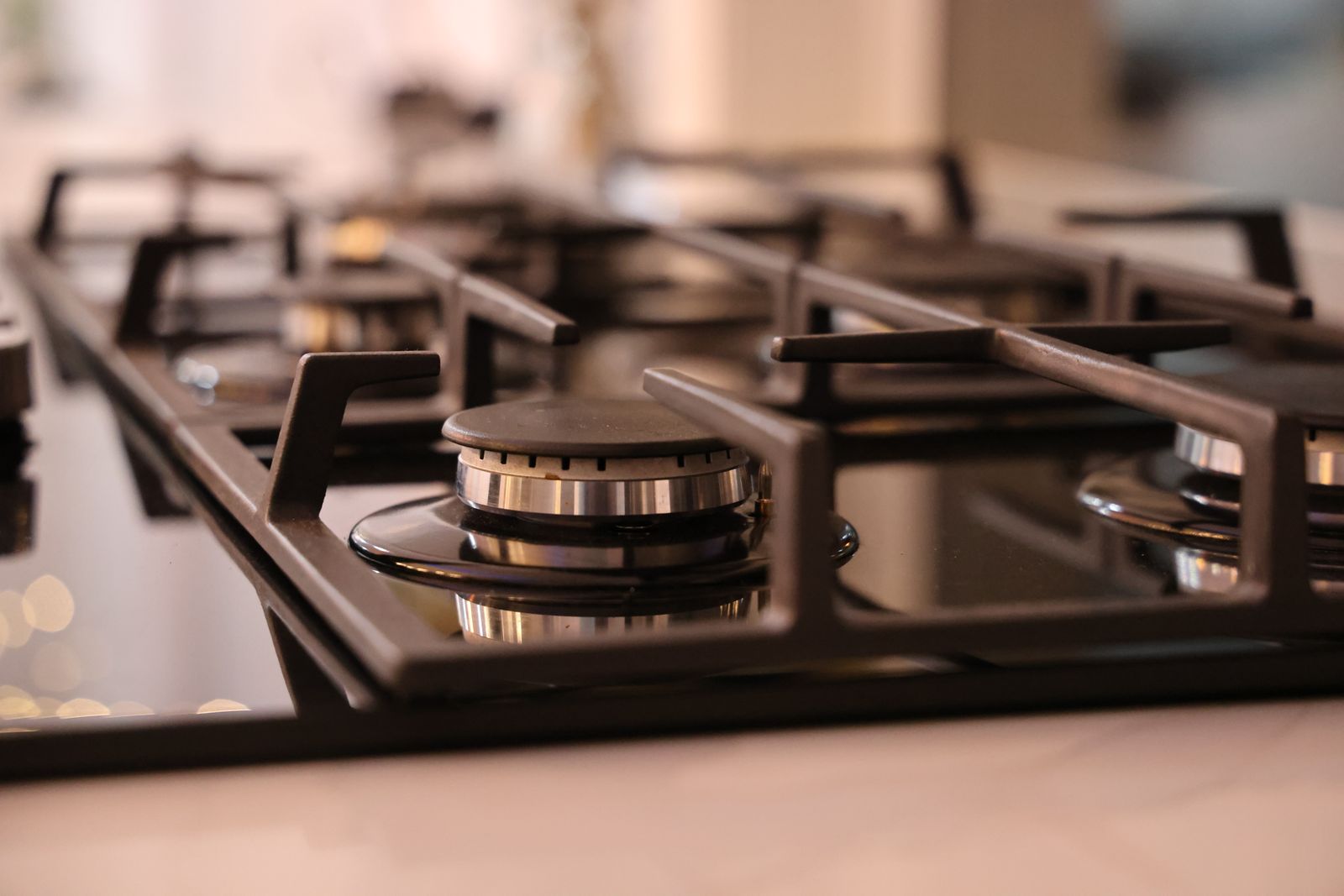
Match the pan diameter to the zone for efficient heating and reliable detection. Flat bottoms maximize contact and avoid the residual-heat or no-detection behavior. Lift pans rather than dragging them to protect the glass – see our cooktop care guide.
If a pan will not heat
First confirm it is magnetic. If a known-good pan still will not heat on one zone, the zone may need service – check our cooktop diagnostics and the manufacturer’s site at dcsappliances.com, then schedule a technician through our cooktop repair team.
Why induction is picky
Induction works by inducing a magnetic field in the pan itself, which generates heat directly in the metal. Non-magnetic materials cannot couple to that field, so they stay cold. This is also why induction is so fast and efficient – the heat is made in the pan, not under it.
Reading the cooktop
- A zone that will not start usually means a non-magnetic or too-small pan.
- A residual-heat indicator means the glass is still hot from the pan.
- Buzzing at high power is normal with some multi-ply pans.
Building a set
A good starting set is a magnetic stainless saucepan, a cast-iron skillet, and an induction-rated nonstick pan. With those three you can do almost everything. Confirm “induction compatible” on the box, and when in doubt, the magnet test never lies.
Dcs Induction Cookware: Key Takeaways
To recap on dcs induction cookware: work through the simple checks first, keep the appliance clean and correctly set up, and address small symptoms before they grow. The guidance above on dcs induction cookware reflects how our certified technicians approach the same issues in the field, and following it keeps your DCS appliance performing the way it was built to.
- Start with the easiest, lowest-cost checks and confirm the basics before replacing parts.
- Use only genuine DCS-specified parts so performance and safety are not compromised.
- Keep up a regular maintenance routine, which prevents most problems and protects long-term value.
- Know when a job needs a professional, especially anything involving gas, sealed-system refrigeration, or mains wiring.
If the steps here do not resolve your situation, the next move is a proper diagnosis rather than guesswork. Our team covers DCS cooking and outdoor appliances across all 50 states and 120+ metro areas, and the booking form accepts requests 24/7. You can schedule a service appointment at any time, review full specifications on the manufacturer’s site at dcsappliances.com, or browse comparable units on our model pages. Acting early on dcs induction cookware almost always means a smaller, simpler, and less expensive repair down the line.
When to call a DCS technician
It is worth being clear about the line between sensible owner maintenance and work that belongs with a professional. Routine cleaning, simple resets, and basic setup are well within reach for most owners and are exactly where this guide focuses. Anything involving a gas connection, a sealed refrigeration system, internal wiring, or a part that must be calibrated or pressure-tested is different: those repairs carry real safety and warranty implications and should be handled by a certified technician with the correct tools and genuine DCS parts. A DCS appliance is a long-term investment built from 304 stainless to last for decades, so it is almost always worth maintaining and repairing properly rather than letting a small problem compound. When in doubt, a quick diagnostic visit removes the guesswork, protects the appliance, and gives you a clear, written quote before any work begins so there are never surprises.