What Gas Smell at Range means (dcs range gas smell)
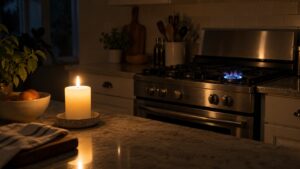
dcs range gas smell describes a persistent gas odor around a DCS range, which is a safety priority rather than a routine problem. DCS pro-style ranges use mechanical, analog gas controls — knobs, valves, igniters, and thermostats with no error-code display. A DCS range reports trouble as a symptom you can see or hear, not as a numeric error code. A gas smell can come from unburned gas during failed ignition or from a leak at a valve, connection, or regulator, and must be treated as an emergency.
Symptoms to look for
The signs below help confirm you are dealing with this condition rather than a different problem on your DCS Range. You may see one of them or several together, and they can build up gradually or appear suddenly after a spill, a power event, or recent service.
- A rotten-egg (mercaptan) odor near the range
- Odor persists with all burners off
- A hissing sound near a gas fitting
- Odor during failed ignition attempts
Common causes
Several different problems can produce these symptoms. Working through the most likely causes in order helps separate a quick, owner-level fix from a problem that needs trained service and the correct DCS parts.
- Leaking connection — a loose or aged gas fitting
- Unburned gas — released during failed ignition
- Faulty valve — a valve not sealing fully
- Regulator/conversion problem — incorrect setup leaking gas
Troubleshooting steps you can try
Work through these checks in order with the appliance cool and powered down before touching any internal part. Stop wherever you are unsure, or where gas, high heat, or live electrical parts are involved, and hand the rest to a qualified technician.
- Stop using the range and avoid electrical switches or open flames.
- Shut off the gas supply to the appliance if you can do so safely.
- Ventilate by opening windows and leave the area.
- Contact your gas utility emergency line, then arrange service.
Parts a technician may replace
Depending on what the diagnosis shows, a technician may inspect, test, or replace the gas valves, supply connections, burners, and regulator. The correct part for your DCS Range is matched from the model and serial number, and genuine DCS components are fitted rather than generic substitutes so that performance, safety, and the appliance’s long working life are all protected. Confirming the failed part before ordering avoids replacing more than the problem actually requires.
When to call a technician
After the area is safe, a technician must leak-test the connections, valves, and regulator and correct any fuel-conversion problem before the range is used again. When the fix calls for trained service, book a visit through our scheduling page and our certified technicians will diagnose and repair it. For factory documentation and model lookup, see the manufacturer at dcsappliances.com.
Prevention and care
Regular care keeps this condition from returning on your DCS Range. Clean spills and grease before they bake on, keep ports, filters, and vents clear, and follow the DCS maintenance schedule for your model. Because the controls here are mechanical rather than electronic, the most reliable prevention is consistent cleaning and an occasional professional service that catches wear before it becomes a breakdown. Note when a symptom first appeared and what you were cooking at the time, because that detail often points a technician straight to the cause and keeps the repair simple. Where gas or high heat is involved, treat any unusual smell, sound, or heat as a reason to stop and have the appliance checked rather than worked around.
Related help and DCS resources
Browse other DCS Range diagnostics, read about professional DCS Range repair, look up your unit on the DCS models reference, or schedule a service visit.